
Lawn
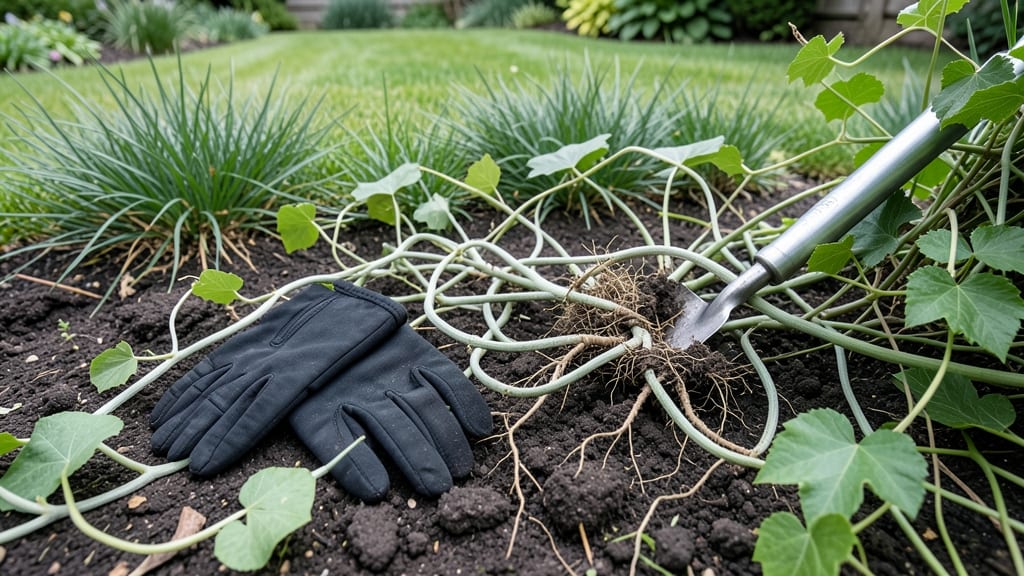
Creeping Charlie and bindweed are the sneakiest lawn invaders—those stubborn vine weeds that strangle your grass and return faster than you can pull them. 🌱 I’ve battled them for years, and the secret isn’t brute force but precision: targeting the roots before they take hold.
One wrong move, and you’ll spend hours yanking the same plants back next week.
The trick starts with identification: creeping Charlie has rounded leaves and a minty scent, while bindweed’s silvery-white flowers twist like morning glories. Grab a weed puller (or a sturdy fork) and attack on a damp morning when soil loosens easily.
Pull at a 45-degree angle to expose the roots—then snip any remaining fragments with pruners. No shortcuts here.
By the end of the day, your lawn will look shockingly lush without those invasive vines choking the grass. The real magic? Preventing regrowth: smother bare spots with mulch, overseed thin areas, and apply corn gluten meal in early spring to starve weed seeds before they sprout.
It’s not instant—but it works.
For stubborn patches, a spot treatment of vinegar or a targeted herbicide (like triclopyr) can help, but always test a small area first. The key is consistency: check your lawn weekly in growing season, and those weeds won’t stand a chance. Your grass will thank you.
📚 In This Guide
- What you need
- Instructions
- Tips and common mistakes
- Wrapping up and next steps
What you need
- ● Dandelion Weeder or Vine Weed Puller – 1 heavy-duty stainless steel tool (with a long handle for leverage). Pro tip: Look for a notched or claw-style design to grip roots tightly!
- ● Garden Gloves – 1 pair of thick, reinforced gloves (nitrile-coated for grip and protection against thorns).
- ● Pruners or Shears – 1 pair of sharp, bypass pruners (for cutting thick vines at the base).
- ○ Garden Fork or Hoe – 1 sturdy, long-handled fork (optional but helpful for loosening stubborn roots in compacted soil).
- ○ Vine Weed Spray (Optional) – 1 gallon of glyphosate-free vinegar-based herbicide (20-30% acetic acid) OR a boiling water solution (for spot treatment before pulling).
- ● Compost or Mulch – 1-2 bags of organic compost or wood chip mulch (to replenish soil after removal).
- ● Plastic Bags or Trash Bin – For disposal (vine weeds can regrow from tiny root fragments!).
- ● Kneeling Pad – 1 durable, cushioned pad (to protect your knees during long sessions).
- ● Watering Can or Hose – For post-pull hydration (helps prevent regrowth).
- ● Dry or Damp Soil – Vine weeds pull easiest when soil is moist but not soggy (water the lawn 1-2 hours before pulling).
- ● Sunny Day – Avoid pulling in direct sunlight (soil stays damp longer).
- ● Clear Workspace – Remove toys, rocks, or debris from the area to avoid tripping or damaging tools.
How to remove stubborn lawn vine weeds without regrowth
Here’s the method I’ve used for years—no chemicals, no frustration, just clean lawns.
🌱 Step 1: Identify and Prepare the Work Zone
First, scan your lawn for vine weeds like creeping Charlie, morning glory, or bindweed—they’ll have distinctive heart-shaped leaves or twining stems. Grab a pair of gardening gloves and a small hand shovel or weeding knife. I like to work in 2-foot sections because it keeps the area manageable and prevents missing hidden roots.
Loosen the soil slightly around the weeds with the shovel’s tip. You’re not digging deeply—just breaking the surface tension so the roots come out easier. If the ground is dry, water the area lightly the night before. Damp soil makes roots more pliable, so they won’t snap and leave fragments behind.
✂️ Step 2: Cut the Vines at the Base
Use your weeding knife to slice the vines just below the soil line—this is critical. Vine weeds spread aggressively through underground runners, so cutting them at the surface prevents regrowth from buried stems. Work methodically, making clean cuts rather than tearing. If you leave even a small piece behind, it’ll sprout again in a few weeks.
For thick mats, I fold back the lawn carefully with a putty knife to expose hidden vines. You’ll see a network of thin, white roots connecting the plants—this is why vine weeds are so stubborn. Snip these connections too. After cutting, pile the vines into a trash bag. Don’t compost them—you’ll risk spreading seeds or root fragments.
💧 Step 3: Pull the Roots in One Clean Motion
Grip the base of the weed where you cut it and pull straight up with steady pressure. The goal is to remove the entire root system in one piece. If you feel resistance, wiggle the weed gently side to side while pulling—this helps dislodge the roots without breaking them. I’ve found that pulling in the early morning works best because the soil is still cool and moist, making the roots easier to extract.
Check the hole you’ve pulled. If you see any remaining root fragments, dig them out with your fingers or the shovel’s tip. Even a half-inch piece can regrow. For stubborn patches, I’ll go back the next day to ensure I didn’t miss anything. A magnifying glass helps spot tiny rootlets hiding in the grass.
☀️ Step 4: Prevent Regrowth with Soil Barriers
After removing the weeds, fill the holes with fresh topsoil or a mix of compost and sand to discourage new growth. For large areas, I sprinkle a thin layer of corn gluten meal (a natural pre-emergent) over the spot. This blocks weed seeds from germinating. Water the area lightly to settle the soil, but avoid overwatering—soggy soil can encourage new weeds.
For high-risk areas, like where vine weeds have spread before, I’ll lay down landscape fabric under a thin layer of mulch. This creates a barrier that stops underground runners from reaching the surface. Just be sure to secure the edges tightly so weeds don’t sneak in around the sides.
🌿 Step 5: Maintain a Weed-Free Lawn
Once the area is clear, keep it that way with regular lawn care. Mow your grass taller than 3 inches—tall grass shades the soil, making it harder for weeds to establish. Water deeply but infrequently—this encourages deep grass roots that outcompete weeds. I also overseed bare patches in the fall to fill gaps where weeds might take hold.
If you see any new vine weeds popping up, tackle them immediately before they spread. I’ve found that a weekly 10-minute lawn walk catches problems early. Most regrowth happens in the first 30 days after pulling, so stay vigilant. With consistency, your lawn will stay vine-weed-free for seasons.
Tips & tricks for stubborn vine weed removal
Real talk: Vine weeds are sneaky. Here’s how to outsmart them every time without wasting hours or watching them creep back.
Timing is Everything: The early morning is your best friend for Step 3—roots are most pliable when soil is cool and damp. If you must work later, water the area lightly the night before. I’ve learned the hard way that dry soil makes roots brittle, so they snap and leave fragments behind that regrow like clockwork.
Tool Up Right: A weeding knife is non-negotiable for Step 2, but don’t overlook a putty knife for thick mats. I fold back lawn sections carefully to expose hidden runners—what looks like grass might actually be connected vine roots. For stubborn patches, a small hand shovel helps pry without damaging grass. Pro move: Keep tools sharp; dull edges tear roots instead of cutting cleanly.
The Half-Inch Rule: Step 3’s most critical detail is checking for root fragments after pulling. Even a half-inch piece can regrow, so I inspect holes with a magnifying glass if needed. For high-risk areas, I’ll go back the next day—what seems gone might still be lurking. This extra step saved me from redoing entire lawn sections later.
Soil Barrier Strategy: In Step 4, don’t just fill holes—create a barrier. Landscape fabric under mulch stops underground runners cold. For large areas, corn gluten meal is my secret weapon: it blocks weed seeds while feeding your grass. Just skip the overwatering—soggy soil is a weed magnet.
Pro Tips for Lawn Vine Weeds
- Real talk: Vine weeds are sneaky. Here’s how to outsmart them every time without wasting hours or watching them creep...
- Timing is Everything: The early morning is your best friend for Step 3—roots are most pliable when soil is cool and d...
- Tool Up Right: A weeding knife is non-negotiable for Step 2, but don’t overlook a putty knife for thick mats. I fold ...
Frequently asked questions
Got questions about tackling lawn vine weeds like a pro?
You're not alone—these sneaky invaders can be frustrating! Below are answers to the most common concerns, from identification to long-term solutions. Let’s get those weeds out for good!
How do I tell if my lawn has vine weeds (like creeping Charlie or ground ivy)?
Vine weeds often look like green, leafy runners sprawling across your grass. Look for small, rounded leaves (creeping Charlie) or purple-tinged stems (ground ivy). They thrive in shady, moist areas and spread aggressively—pull them early before they take over!
When is the best time to pull vine weeds to prevent regrowth?
The ideal window is spring (March–May) or fall (September–November) when soil is soft and weeds are actively growing. Avoid pulling in dry, hot summer months—roots may regrow faster. For stubborn roots, reapply vinegar or herbicide 2–3 weeks later if needed.
Will vine weeds grow back if I just cut them off at the base?
Yes!
Cutting alone won’t kill the roots—it can even stimulate faster regrowth since the plant redirects energy. Always pull from the roots (or use a weed torch for large patches) and apply a post-emergent herbicide like 2,4-D for extra insurance.
Are there natural alternatives to chemical herbicides for vine weeds?
Try these eco-friendly methods:
- Vinegar spray (20% acetic acid) – Spray directly on weeds (avoid grass!). Reapply every 3–5 days for 2 weeks.
- Boiling water – Pour on small patches (best for sidewalks or cracks).
- Corn gluten meal – A pre-emergent to block new weeds (apply in early spring).
- Manual smothering – Lay cardboard + mulch over infested areas for 4–6 weeks.
Pro tip: Work on cloudy days to avoid burning plants with vinegar or heat.
My vine weeds keep coming back—what’s the best long-term fix?
Combine three strategies for lasting results:
- Pull + root (use a weed wrench for deep roots).
- Improve soil health – Test pH (ideal: 6.0–7.0) and add compost to crowd out weeds.
- Seed bare spots with dense grass (like fine fescue) to block sunlight.
For persistent patches, consider a pre-emergent herbicide in early spring to prevent seeds from sprouting. Patience is key!
Wrapping up and next steps
Dealing with stubborn lawn vine weeds doesn’t have to be a battle—with the right tools and techniques, you can reclaim your yard with confidence! 🌱 Remember, precision pulling and targeting those roots are key to preventing regrowth. Start small, stay consistent, and soon your lawn will be lush and weed-free.
Ready to take action? Grab your tools, roll up your sleeves, and tackle those weeds today! Your future lawn will thank you. 😊