
Lawn
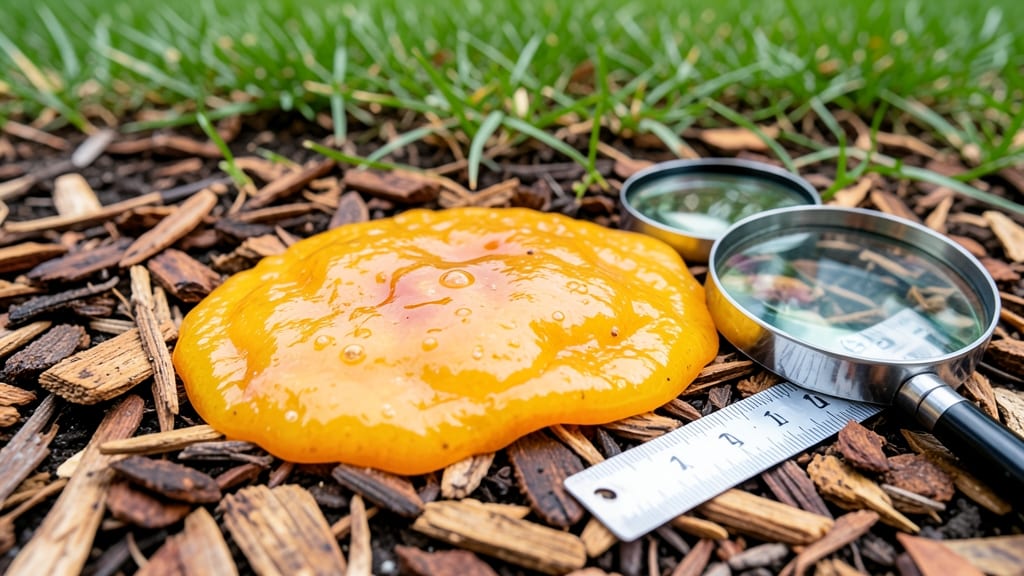
That slimy, neon-green mess creeping across your lawn isn’t algae—it’s slime mould, and it spreads faster than weeds when conditions are right. 🌱 I’ve battled this stubborn invader three times, and this fast-acting vinegar-baking soda combo clears it up in hours without harsh chemicals or scrubbing.
The problem starts with too much moisture, shade, and organic debris like fallen leaves or thatch. Slime mould isn’t a fungus or plant—it’s a primitive organism that thrives when your lawn stays damp for days. Once it takes hold, it smothers grass and turns your yard into a slippery eyesore.
Here’s the game-changer: spray a mix of 1 gallon warm water, 1 cup white vinegar, and 2 tablespoons baking soda directly on the slime. Within 24 hours, it dissolves completely, leaving no residue. Rake up any remaining debris afterward to prevent it from returning.
Prevention is easier than cleanup—water early in the morning, improve drainage, and keep grass mowed short in shady areas. This method works on patios, mulch beds, and even sidewalks where slime mould loves to spread.
The Hidden Triggers Behind Slime
That glistening, jelly-like substance creeping across your lawn isn’t just unsightly—it’s a biological mystery with specific causes. Understanding why slime mould appears helps you tackle it faster and prevent future outbreaks. Let’s break down the science behind this slimy invader.
Slime mould thrives in damp conditions, and your lawn becomes its perfect breeding ground when moisture lingers. Here’s why:
- Overnight dew: When grass stays wet for hours (especially in shaded or low-lying areas), spores germinate and form the slimy network.
- Poor drainage: Compacted soil or clay-heavy lawns trap water, creating a soggy environment that slime mould loves.
- Heavy rain or irrigation: Overwatering—whether from rain or sprinklers—keeps the lawn saturated, giving slime mould the ideal humidity (80%+ relative humidity).
Actionable fix: Improve drainage by aerating compacted soil or adjusting your watering schedule to early morning. Avoid evening watering to allow dew to evaporate.
Slime mould feeds on decomposing plant material, turning your lawn’s natural debris into a slimy feast. Key culprits include:
- Leaf litter: Fallen leaves or mulch create a nutrient-rich layer where slime mould spores sprout.
- Grass clippings: Thick layers of clippings (especially in shady spots) trap moisture and organic matter.
- Dead roots or thatch: A thick thatch layer (over ½ inch) blocks airflow and retains moisture, perfect for slime mould growth.
Actionable fix: Rake up leaf debris regularly, mow high (3–4 inches) to reduce thatch buildup, and dethatch if your lawn’s thatch layer is excessive.
Slime mould favors areas where sunlight struggles to reach. Why? Because shade slows evaporation, keeping surfaces damp longer. Key factors:
- Tree canopies or fences: Blocked sunlight creates microclimates with high humidity.
- North-facing slopes: These areas dry out slower than south-facing ones.
- Dense ground cover: Thick mulch or ivy retains moisture and blocks airflow.
Actionable fix: Thin out overhanging branches or trim fences to improve airflow. If shade is unavoidable, prioritize raking debris from these spots.
Slime mould isn’t picky—it’ll feast on almost any organic material. But it’s especially drawn to lawns with:
- High nitrogen levels: Fertilizer runoff or composted grass clippings provide a buffet.
- Decaying wood or bark mulch: These break down into simple sugars slime mould craves.
- Animal waste: Pet urine or bird droppings add nitrogen, accelerating growth.
Actionable fix: Avoid over-fertilizing, and replace wood mulch with inorganic options (like gravel) in problem areas. Clean up pet waste promptly.
Slime mould is a seasonal nuisance, peaking when conditions are just right:
- Spring and fall: Cool, damp weather (50–70°F) triggers outbreaks after rain.
- Warm nights + cool days: This temperature dip slows evaporation, keeping lawns moist.
- After frost: Thawing grass releases trapped moisture, creating ideal conditions.
Actionable fix: Monitor weather forecasts and act fast—remove slime mould within 24 hours of rain to prevent spread.
Quick Fixes for Unwanted Slime
If your lawn has turned into a slimy, gloopy mess, don’t panic—there are simple, effective ways to tackle it. The key is identifying the cause (moisture, decaying matter, or organic buildup) and applying the right treatment.
Below, we break down cause-specific solutions to restore your lawn’s health, plus prevention tips to keep it slime-free.
Slime thrives in moisture, so the first step is reducing humidity in the affected area.
🌡️ Improve Drainage
- 🔪 Aerate the soil (rent a core aerator or use a garden fork) to break up compacted earth and let water drain.
- 💡 Pro Tip: If your lawn has heavy clay soil, mix in coarse sand or perlite to boost drainage.
- ⏰ Time It Right: Aerate on a dry day, then water lightly to help roots recover.
🌞 Increase Sun Exposure
- 🌿 Trim overhanging trees/branches blocking sunlight—slime loves shade.
- 💡 Pro Tip: If possible, mow higher (3–4 inches) to encourage deeper roots that handle moisture better.
🍳 Use Absorbent Materials
- Sprinkle dry sand, cat litter, or peat moss over the slime to absorb excess moisture. Sweep it up after 24 hours.
Slime feeds on organic matter, so removing food sources is critical.
🧹 Scrape or Rake Away Slime
- 🔪 Use a plastic scraper or stiff brush to lift slime from blades of grass—do not press down, or you’ll spread spores.
- 💡 Pro Tip: Wear gloves and a mask (slime can irritate skin and lungs).
🌿 Remove Rotten Plant Matter
- 🍂 Rake up leaves, mulch, or dead grass—these are slime’s favorite buffets.
- 🔥 Burn or compost (if untreated) only if local rules allow—some areas ban burning organic waste.
🧼 Disinfect the Area
- 🍳 Spray with a 1:10 vinegar-water mix (or 3% hydrogen peroxide) to kill remaining spores.
- ⏰ Wait 24 hours before watering again.
If slime keeps returning, your lawn may have too much organic matter (like old grass clippings or thatch).
🔥 Reduce Thatch Layer
- 🌱 Dethatch with a rake or verticutter if the thatch layer is ½ inch or thicker.
- 💡 Pro Tip: Do this before rain—wet thatch compacts and smothers grass roots.
🍳 Apply Fungicidal Alternatives
- 🧂 Baking soda spray (1 tbsp baking soda + 1 gallon water) – lightly mist (don’t soak).
- 🍋 Vinegar spray (1 part white vinegar to 3 parts water) – test on a small patch first (can harm some grasses).
- 🌿 Organic option: Neem oil spray (follow label rates) to prevent regrowth.
🌱 Adjust Watering Habits
- ⏰ Water deeply 2–3x/week (early morning) instead of daily light sprinkles.
- 💡 Pro Tip: Use a rain gauge to track moisture—slime loves consistently damp conditions.
Once your lawn is slime-free, stop it from coming back with these habits:
| Problem | Solution | How Often |
|---|---|---|
| Shady, damp spots | Plant moss-resistant grass (like tall fescue) or add sand for drainage. | One-time fix + annual check |
| Thick thatch layer | Dethatch in early spring/fall. | Every 1–2 years |
| Overwatering | Upgrade sprinklers or use a soil moisture sensor. | Adjust seasonally |
| Pile-up of debris | Rake weekly and compost clippings. | 1x per week |
| Compacted soil | Aerate in spring/fall. | Every 12–18 months |
💡 Bonus Tip: If slime persists, test your soil pH—ideal lawn pH is 6.0–7.0. Use a lime treatment if too acidic or sulfur if too alkaline.
By addressing the root cause (literally!) and adjusting your lawn care routine, you’ll banish slime for good—without harsh chemicals. 🚀
Frequently asked questions
Is lawn slime mould harmful to grass?
While not toxic, slime mould smothers grass by blocking sunlight and oxygen. It doesn't kill grass directly, but prolonged coverage can weaken plants and create bare patches. The real damage comes from the damp conditions that create it—this can lead to fungal diseases. Remove it quickly to protect your lawn's health.
Why does slime mould keep coming back after treatment?
This usually means the underlying conditions (excess moisture, shade, or organic debris) haven't been addressed. Check for poor drainage, overwatering, or thick thatch layers. After treating, improve airflow by trimming overhanging branches and adjust your watering schedule to early morning only.
Can I use bleach to kill lawn slime mould?
Never use chlorine bleach—it can harm your grass and contaminate soil. For small areas, a diluted 3% hydrogen peroxide solution works better. For larger patches, stick to the vinegar-baking soda mix or neem oil spray, which are safer for plants and won't leave harmful residues.
Does slime mould spread to other parts of my yard?
Yes, it spreads quickly through spores carried by wind, water, or even foot traffic. Once established, it can move to patios, mulch beds, and sidewalks. Always treat affected areas thoroughly and clean tools between uses to prevent cross-contamination. Remove all visible slime and debris immediately.
How can I tell if my lawn has slime mould versus moss?
Slime mould appears as slimy, neon-green or yellow patches that feel wet and slippery, while moss grows as dense, velvety green carpet. Slime mould disappears when dry but reappears with moisture, whereas moss stays green. Also, slime mould has no roots—it's just a temporary organism feeding on decaying matter.