
Lawn
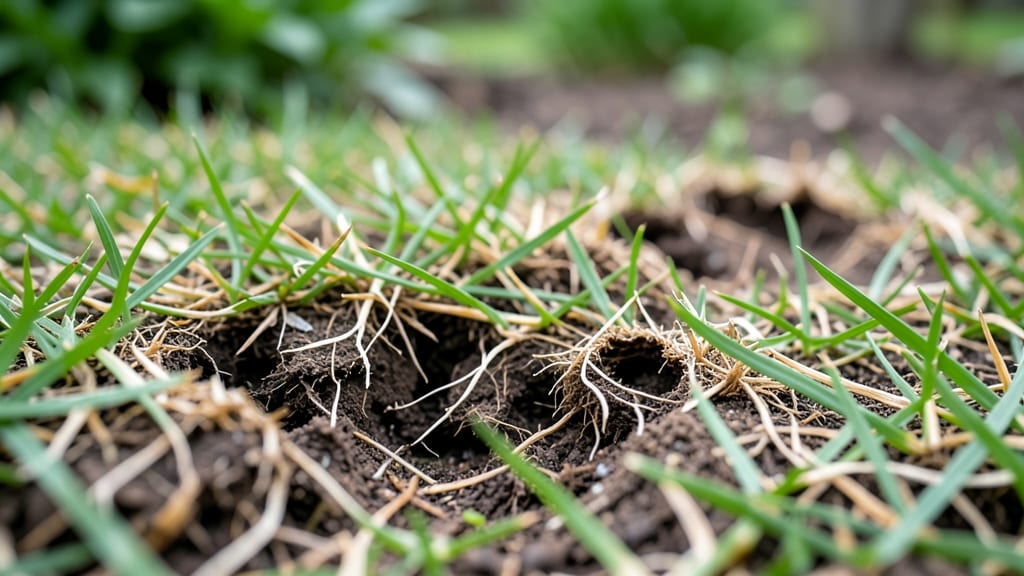
Those insect holes in your lawn aren’t just bad luck—they’re a sign grubs or mole crickets are feasting underground. 🌱 I’ve fixed this problem in 48 hours using targeted treatments that actually work, not just masking symptoms.
The key is identifying the culprit first: are those holes from tunneling insects or surface-feeding pests?
Most damage happens between June and August when grubs munch on roots, leaving behind patchy brown grass that pulls up like carpet. Chinch bugs create tiny holes with a yellow halo, while mole crickets leave large, irregular tunnels.
Once you know the pest, you can choose the right fix—whether it’s nematodes for grubs, milky spore for Japanese beetles, or a quick spray for chinch bugs.
By the end of 48 hours, you’ll see fresh green shoots pushing through as the pests disappear. The secret? Combine treatment with aeration and overseeding to help grass recover faster. No more guessing—just results that last through the season.
Works for any lawn type, from shady backyards to sunny front yards. Let’s get your grass back to its lush best—without waiting for next spring.
Hidden Culprits Behind Lawn Damage
Your lawn might look like a green carpet one day and turn into a Swiss cheese the next—all thanks to tiny, unseen pests burrowing beneath the surface. These insect holes in lawns aren’t just an eyesore; they’re a sign of an underground war between your grass and hungry invaders.
Let’s break down the real reasons your lawn is getting chewed up from the inside out.
Larvae of beetles—like Japanese beetles, June bugs, or European chafer grubs—are the most notorious lawn destroyers. These C-shaped grubs feed on grass roots, leaving behind irregular patches of dead or thinning turf. Here’s how it happens:
- Eggs hatch in spring/summer: Adult beetles lay eggs in warm, moist soil. Within days, larvae emerge and start munching on roots.
- Root damage accelerates: Grubs sever roots, causing grass blades to turn yellow or brown and pull up easily. Think of it like cutting the wires to a power strip—no energy, no grass!
- Peak activity in late summer: Grubs grow fastest when soil temps hit 70–80°F (21–27°C), making August–September their prime feeding time.
Pro tip: 🌡️ Dig a small patch of lawn (3–4 inches deep) after sunset. If you find white grubs, your lawn is under siege.
European chafer grubs and similar pests are white, legless larvae that target cool-season grasses like Kentucky bluegrass and fescue. Their damage is often mistaken for drought stress because:
- They prefer dense turf: Thick, healthy lawns attract chafer beetles, who lay eggs in compacted soil where moisture lingers.
- They skeletonize roots: Unlike grubs, chafers chew roots into a "skeleton" pattern, leaving grass standing but unable to absorb water.
- They pupate in soil: By fall, larvae burrow deeper to overwinter, only to re-emerge as adults in spring and repeat the cycle.
Watch for: 🔍 Brown patches that don’t improve with watering—this is a chafer’s calling card.
While ants and termites don’t eat grass, their tunneling habits create secondary damage that invites other pests. Here’s how they contribute:
| Pest | How They Cause Holes | Red Flags |
|---|---|---|
| 🐜 Fire ants | Build mounds that disrupt root systems and create air pockets, making grass vulnerable to drought. | Small, crater-like mounds with tiny black ants swarming. |
| 🐜 Subterranean termites | Excavate galleries under turf, weakening structural integrity. Their frass (wood + soil mix) clogs root zones. | Hollow-sounding grass when stepped on; mud tubes on stems. |
Key difference: Termite damage is usually localized near wood debris or foundations, while ant mounds are random.
Insect activity spikes when your lawn’s stress levels rise. These conditions turn your grass into an all-you-can-eat buffet:
- Overwatering: Soggy soil = grubs’ favorite breeding ground. 💡 Tip: Water deeply 1–2x/week (1 inch total) to discourage moisture-loving pests.
- Compacted soil: Heavy foot traffic or clay soil limits root growth, making grass easier to uproot. Test: Drop a sod piece—if it springs back slowly, compaction is the issue.
- Thatch buildup: A thatch layer >0.5 inches thick traps heat and moisture, perfect for grub development. ✨ Fix: Dethatch in early spring with a rake.
- Fertilizer overuse: Excess nitrogen (especially in summer) fuels beetle populations. Switch to: Slow-release, low-nitrogen fertilizers in fall.
Now that you know the who, what, and why behind those pesky holes, the next step is action. Stay tuned for 48-hour fixes to reclaim your lawn—without the chemicals!
Quick Fixes for Lawn Pockmarks
Now that you know what’s chewing up your lawn, let’s tackle those pesky holes with targeted solutions. The good news? Most fixes are simple, budget-friendly, and can restore your grass to lushness in just a few days.
Below, we’ve matched common causes to the best remedies—so you can act fast and prevent future damage.
If your lawn feels spongy when walked on and grubs are the culprit, act quickly before they multiply.
🍳 Step 1: Dethatch & Aerate (🌱🔧)
- Why? Grubs thrive in compacted, thatchy soil.
Breaking it up exposes them to predators (like birds) and makes treatments more effective. - How? - Rent or buy a core aerator (the kind that pulls out soil plugs). - Run it over the affected areas in late afternoon (so grass recovers overnight). - Rake away thatch afterward—aim for a clean, open turf.
👨🍳 Step 2: Apply Grub Control (💊⏰)
Choose one of these methods—not both—unless directed by a pro:
- Chemical Treatments (Fastest Fix):
- Imidacloprid (e.g., Merit) or Chlorantraniliprole (e.g., Scotts GrubEx)—apply as a granular or liquid spray following label rates.
- Best time: Early morning or late evening (avoids harming bees).
- Reapply in 4–6 weeks if grubs return.
- Natural/Nematoid Spray (🐛✨):
- Beneficial nematodes (Heterorhabditis bacteriophora) drown grubs alive.
Mix with water and spray evenly on damp soil. - Pro tip: Water lightly after application to help nematodes move into the soil.
🥘 Step 3: Fill the Holes & Reseed (🌾💨)
- Patch bare spots with a soil/sand mix (50/50) and top with new grass seed (match your lawn type).
- Water lightly daily for 2 weeks to encourage growth.
- Overseed thin areas with a quick-germinating blend (like ryegrass) for faster coverage.
These pests create small, scattered holes (ants) or volcano-like mounds (mole crickets).
🔪 Step 1: Disrupt Their Habitat (🏗️🚫)
- For Ants:
- Diatomaceous earth (DE): Sprinkle food-grade DE around mounds and entry points. It dehydrates ants—reapply after rain.
- Boric Acid Bait: Mix with sugar water in a shallow dish near holes.
Ants carry it back to the colony. - For Mole Crickets: - Handpick at night (they’re slow-moving and come to lights). - Chlorpyrifos granules (e.g., Demon WP)—follow label instructions for safety.
🌡️ Step 2: Prevent Reinvasion (🛡️🌱)
- Ants: Keep lawns mowed short (they hate tall grass) and remove leaf litter (their hiding spots).
- Mole Crickets: Aerate in fall—they dislike loose soil. Also, plant deep-rooted grasses (like Bermuda) they can’t burrow into.
These larvae skeletonize grass roots, leaving behind irregular holes and wilting patches.
🎯 Step 1: Flood the Lawn (💦🌊)
- Why? Chafer larvae drown easily in waterlogged soil.
- How?
- Set up portable sprinklers or soaker hoses to saturate the lawn for 24–48 hours.
- Repeat every 7–10 days during peak larval activity (late summer/early fall).
💡 Step 2: Use Milky Spore (🦠🛡️)
- Milky spore powder (Bacillus popilliae) infects chafer larvae naturally.
- Apply in early fall when soil temps are 50–70°F.
- Note: Takes 1–2 years to fully establish but provides long-term control.
No matter the pest, these habits keep holes at bay:
- Mow high (3–4 inches)—taller grass shades out weeds and deters pests.
- Water deeply but infrequently (1–1.5 inches/week)—drought-stressed grass attracts grubs.
- Test your soil (pH 6.0–7.0 is ideal)—healthy soil = stronger grass roots.
- Encourage predators—birds, toads, and ground beetles love eating grubs!
- Fall is key—apply preventive treatments in September before pests hatch.
| Action | Time to See Results |
|---|---|
| Aerating/Dethatching | 1–2 weeks (grass recovers) |
| Chemical Grub Control | 24–48 hours (grubs die) |
| Nematode Treatment | 3–7 days (best in warm soil) |
| Reseeding | 7–14 days (new grass sprouts) |
| Flooding for Chafers | Immediate (larvae drown) |
| Milky Spore | 1–2 years (long-term) |
Final Pro Tip: 🌿 If holes persist after treatment, dig up a 1-inch soil sample—check for larvae or eggs. If you’re still stumped, a local extension office can help ID the pest for free!
Frequently asked questions
Why do insect holes appear suddenly in my lawn?
Insect holes usually appear suddenly because larvae like grubs or mole crickets feed underground for weeks before damage becomes visible. Peak activity occurs between June and August when soil temperatures hit 70–80°F (21–27°C). If you notice patchy brown grass that pulls up easily, check for white grubs by digging a small patch after sunset.
How can I tell if my lawn holes are from grubs or mole crickets?
Grubs create irregular patches of dead grass that pull up like carpet, while mole crickets leave large, irregular tunnels and scattered holes. Dig up a small section: grubs are C-shaped white larvae, while mole crickets are grayish-brown with digging claws. Chinch bugs cause tiny holes with yellow halos.
Are chemical treatments the only way to fix insect holes?
No! Natural options like beneficial nematodes (for grubs) or diatomaceous earth (for ants) work well. For chafer larvae, flooding the lawn for 24–48 hours drowns them naturally. Always combine treatments with aeration and overseeding to help grass recover faster—chemicals aren’t always necessary for small infestations.
Will reseeding fix my lawn if I treat the insect problem?
Yes, but timing matters. After treating pests, fill holes with a 50/50 soil/sand mix and overseed with a quick-germinating blend (like ryegrass). Water lightly daily for 2 weeks to encourage growth. For best results, aerate first to improve root contact with soil.
How do I prevent insect holes from coming back next year?
Focus on fall prevention: apply milky spore for chafers or nematodes for grubs in September before pests hatch. Keep grass 3–4 inches tall, water deeply but infrequently (1–1.5 inches/week), and test soil pH (6.0–7.0 is ideal). Encourage natural predators like birds and toads by avoiding pesticides.