
How To
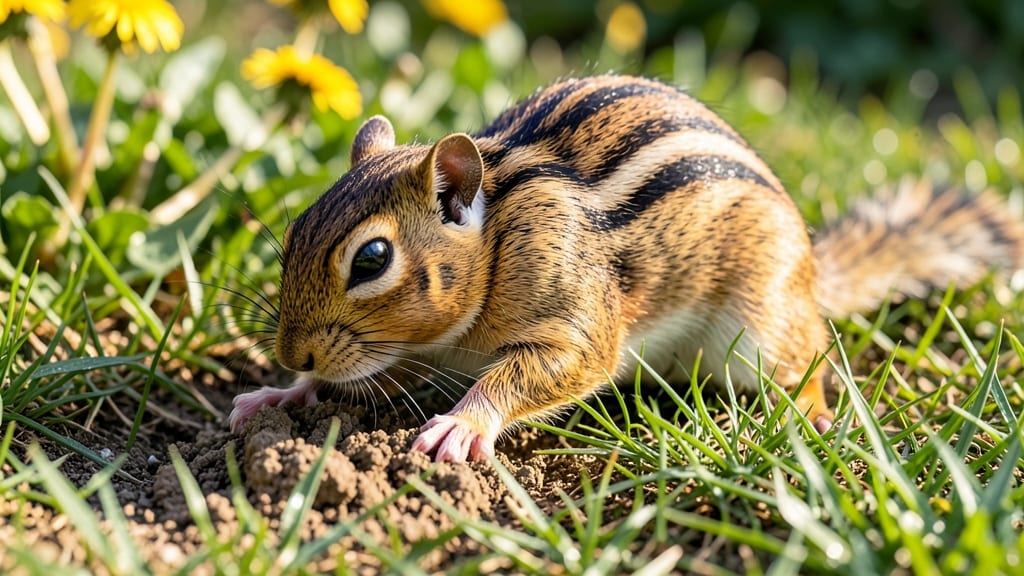
How to stop chipmunks from digging holes in your lawn—it’s possible with the right tricks. 🌱 I’ve spent years watching these tiny troublemakers aerate my yard, and I’ve finally cracked the code: a mix of barriers, repellents, and habitat tweaks that actually work. The key is blocking their access without harming them. Chipmunks dig for insects, seeds, and shelter, so we outsmart them by making their favorite spots less appealing. A simple hardware cloth barrier buried around the yard’s edge stops them cold, while commercial repellents (like predator urine) send them scurrying elsewhere. You’ll see fewer holes within a week, and your lawn will stay intact. The best part? These methods are humane, eco-friendly, and won’t poison pets or wildlife. Just don’t expect perfection—chipmunks are clever, but they’re not invincible. First, identify their hotspots—those mounds of dirt are their calling cards. Then, combine physical barriers (like buried wire mesh) with natural deterrents such as castor oil-based sprays or even motion-activated sprinklers. They hate surprises, especially when it means getting sprayed mid-dig. Lawn health plays a role too. A thick, well-maintained grass cover leaves them less room to dig, and regular mowing removes their seed stashes. Over time, they’ll find easier pickings elsewhere—and your yard will stay smooth underfoot. For stubborn cases, relocate them humanely using live traps and releasing them far from your property. It’s not forever, but it buys you time while you reinforce barriers. The goal isn’t to eradicate them—just to make your lawn less tempting.
Why it happens
Chipmunks may look like tiny, harmless garden helpers, but their digging habits can turn your meticulously maintained lawn into a lunar landscape. Understanding why they’re tunneling is the first step to stopping them.
These striped rodents aren’t just digging for fun—they’re driven by survival instincts, seasonal needs, and even your landscape’s hidden weaknesses. Let’s break down the science behind their behavior so you can outsmart them.
🌱 Searching for Food
Chipmunks are omnivorous foragers, meaning they’ll dig for anything edible—seeds, insects, bulbs, or even your freshly planted grass roots. Their digging isn’t random; it’s a strategic hunt for calories. In late summer and fall, they stockpile food in underground caches to survive winter. If your lawn has:
- Exposed seed heads (like from overripe grass or newly seeded areas)
- Soft, loose soil (easy to excavate)
- Insect activity (grubs, worms, or beetle larvae)
…your lawn becomes a chipmunk buffet. Pro tip: Rake up fallen seeds and aerate compacted soil to remove their food incentives. 💡
🏠 Building Nests for Shelter
Chipmunks are solitary but secretive, and they need safe, hidden dens to raise their young or escape predators. Your lawn might be their ideal real estate if:
- Grass is sparse (patchy lawns or thin turf offer easy digging)
- Soil is sandy or loose (ideal for burrow stability)
- Nearby shrubs or rocks provide cover for their tunnel entrances
They prefer undisturbed areas, so freshly sodded lawns or newly planted beds are off-limits—until the grass establishes roots. Actionable fix: Thicken grass with overseeding and remove debris near their dig sites to discourage nesting. 🌡️
🌦️ Seasonal Survival Instincts
Chipmunks aren’t year-round diggers—they ramp up their tunneling during critical life stages:
| Season | Why They Dig | Your Lawn’s Weakness |
|---|---|---|
| Spring | Mating season—males dig shallow tunnels to attract females. | Soft, damp soil (perfect for quick burrows). |
| Summer | Foraging for water-rich insects and bulbs. | Irregular watering (dry patches = easier digging). |
| Fall | Stockpiling food for winter hibernation. | Exposed seed beds or mulched areas. |
If you notice a sudden spike in holes during these seasons, it’s not a coincidence—it’s biology. Solution: Adjust watering schedules and remove mulch near high-traffic areas to disrupt their patterns. ⏰
🧪 Soil Chemistry and Texture
Not all lawns are equally tempting to chipmunks. They prefer soils that are:
- Loose and crumbly (easy to excavate)
- Low in clay (clay holds moisture, making tunnels collapse)
- Warm and well-drained (ideal for burrow stability)
If your lawn has sandy loam or silt-heavy soil, you’re in their sweet spot. Test your soil’s pH and composition—amending it with compost or sand can make it less inviting. Plus, compacted soil (from foot traffic or heavy equipment) creates air pockets that chipmunks exploit for tunnels. 🎯
Practical Ways to End Lawn Digging
Now that you know why chipmunks are turning your lawn into a Swiss cheese buffet, it’s time to take action! The good news? There are effective, humane, and often low-cost ways to stop them.
Below, we’ve mapped solutions directly to the most common causes—so you can target the problem like a pro.
Chipmunks dig to create cozy nests or stash snacks for winter. If your lawn is their new construction site, try these fixes:
🏗️ Block Access with Physical Barriers
- Hardware cloth (not chicken wire!) – Bury a 12-inch-deep trench around your lawn filled with ¼-inch hardware cloth (chipmunks can’t chew through it).
Bend the top edges outward to deter climbers. - Rock borders – Create a 3-foot-wide strip of smooth river rocks around garden beds or high-value areas. Chipmunks dislike crawling over uneven surfaces. - Plastic plant guards – Place sturdy mesh cones (like those for young trees) over vulnerable spots.
Secure them with stakes.
🌱 Remove Their Motivation
- Clear food sources – Pick up fallen fruit, nuts, or seeds. Store trash in metal bins with tight lids.
- Avoid overwatering – Damp soil attracts insects, which chipmunks love to snack on.
Water deeply but less frequently. - Mulch strategically – Use gravel or coarse mulch (not wood chips) near entry points—it’s harder for them to dig through.
💡 Pro Tip:
If you spot fresh diggings, cover the hole with a brick or heavy board for a few days. Chipmunks will often abandon it if they can’t expand their tunnel.
If your lawn is a buffet of grubs and bugs, chipmunks will keep digging. Here’s how to make it less appealing:
🐜 Treat the Soil (Not Just the Pests)
- Apply nematodes – Beneficial microscopic worms (Heterorhabditis bacteriophora) kill grubs naturally.
Mix them with water and spray on the lawn in the early evening (they need moisture to work). - Use milky spore – A natural bacteria (Bacillus popilliae) that targets Japanese beetle grubs.
It takes 1-2 years to fully establish but provides long-term control. - Avoid chemical pesticides – They can harm chipmunks and beneficial insects. Opt for organic grub control instead.
🌱 Improve Lawn Health
- Aerate compacted soil – Chipmunks love soft, easy-to-dig ground. Rent a core aerator in fall or spring to loosen soil and reduce attractiveness.
- Overseed bare spots – A thick, healthy lawn discourages digging.
Use tall fescue or perennial ryegrass—they have deep roots that grubs avoid. - Mow high (3-4 inches) – Taller grass shades the soil, making it less inviting for insects—and thus, less appealing to chipmunks.
💡 Pro Tip:
If grubs are the issue, test your soil first. A simple DIY test (dig a small hole, add a bit of soapy water—if grubs float up, you’ve got a problem).
Sometimes, the best solution is to make your lawn the last place they want to visit.
🌟 Use Repellents (Safe & Effective)
- Spicy pepper spray – Mix 1 tbsp cayenne pepper + 1 tsp dish soap + 1 quart water.
Spray around the perimeter and on fresh dig sites. Reapply after rain. - Predator urine – Soak cotton balls in fox or coyote urine (available online) and place them near entry points.
The scent tricks chipmunks into thinking a predator is nearby. - Essential oil spray – Combine peppermint, clove, or citrus oils with water in a spray bottle. Chipmunks hate the smell—reapply every 3-5 days.
🎯 Set Humane Traps (If Needed)
If repellents aren’t working, live traps are the most ethical option:
- Use a Havahart trap (baited with peanut butter or sunflower seeds).
- Place traps near fresh dig sites at dawn or dusk (when they’re most active).
- Release them at least 5 miles away in a wooded area with no roads nearby.
💡 Pro Tip:
Never use poison or glue traps—they’re cruel and illegal in many areas. Stick to humane methods for long-term success.
Once you’ve stopped the digging, keep them away for good with these habits: ✅ Keep grass trimmed – Short grass = easier digging. ✅ Remove leaf litter & debris – Less hiding spots = fewer chipmunks. ✅ Install motion-activated sprinklers – The sudden spray startles them away (e.g., Orbit Enforcer). ✅ Plant chipmunk-resistant flowers – Marigolds, daffodils, and lavender have strong scents they dislike. ✅ Check for gaps in fences – Even a small hole (2 inches wide) is enough for them to sneak in.
Final Thought: Chipmunks are persistent, but with the right mix of deterrents, habitat changes, and humane removal, you can reclaim your lawn—without harming these busy little critters.
Start with one or two methods, monitor progress, and adjust as needed. Happy digging (of the lawn-repair kind)! 🌱🚜
Frequently asked questions
Why do chipmunks dig holes in lawns?
Chipmunks dig primarily for food (insects, seeds) and shelter. They create tunnels to store winter food or build nests. Loose, sandy soil makes it easier for them to excavate. Their digging peaks in spring (mating season) and fall (food storage).
Will hardware cloth really stop them?
Yes! Burying ¼-inch hardware cloth at least 12 inches deep around your lawn creates an impenetrable barrier. Chipmunks can't chew through it, and they avoid climbing over rough edges. This is the most reliable physical solution.
Are pepper sprays safe for pets and plants?
Most homemade pepper sprays (cayenne + dish soap) are pet-safe when used correctly, but keep pets away until it dries. For plants, test on a small area first—some essential oils (like citrus) may bleach leaves. Always use organic, non-toxic ingredients.
How long until I see results from repellents?
Results vary, but you'll typically see improvement within 3-7 days with consistent application. Spray repellents every 3-5 days or after rain. For barriers like hardware cloth, effects are immediate, but may need reinforcement after heavy rains.
Can I relocate chipmunks myself?
Yes, but use humane live traps (like Havahart) baited with peanut butter. Release them 5+ miles away in wooded areas with no roads nearby. Check local laws first—some areas require permits for wildlife relocation. Never use poison or glue traps.