
Lawn
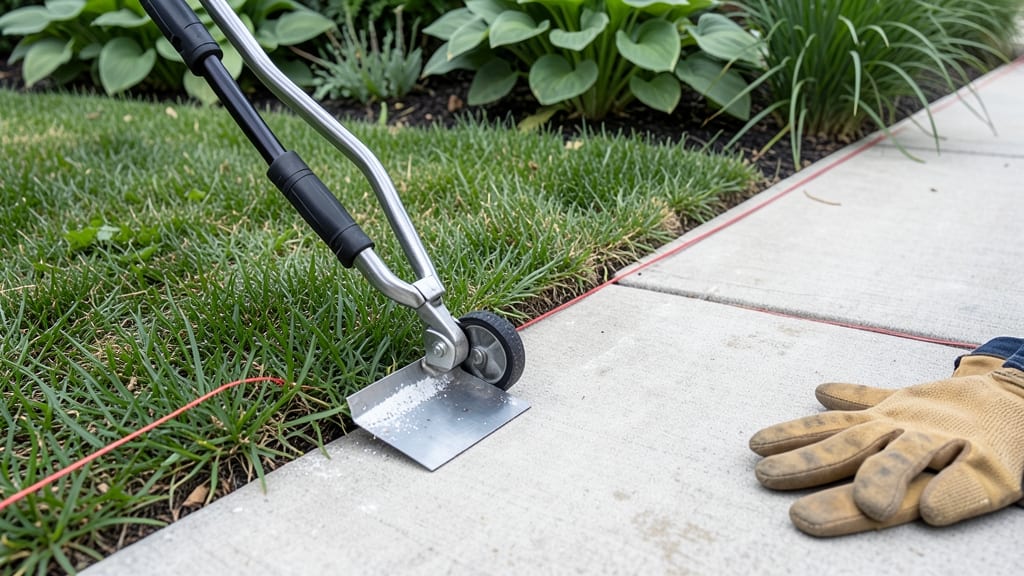
Lawn edgers work by creating clean yard borders using precision cutting blades or string trimmer heads that slice grass exactly at the soil line, separating lawns from pathways or garden beds without disturbing roots or adjacent surfaces.
These tools work through a combination of sharp cutting edges and controlled pressure. 🌱 Most models use either a rotating blade (for manual or electric edgers) or a spinning string line (for trimmer-style edgers), both designed to slice through grass cleanly while maintaining a consistent depth.
The key to their effectiveness lies in the blade's ability to cut just below the soil surface—this prevents regrowth along the edge while keeping the cut precise. For larger yards, power edgers with adjustable depth settings offer more control, while manual versions require steady hand pressure to maintain even lines.
What sets them apart from regular mowers is their focus on vertical cuts rather than horizontal shearing. This vertical action creates a sharp, defined line that lasts longer between edging sessions.
I've found that edgers with metal blades last longer for tough grass but require more maintenance than nylon versions, which are quieter but wear faster on rocky terrain.
💡 In This Article
- Mechanics of Lawn Edger Cutting Blades
- Choosing the Right Lawn Edger for Your Yard
Mechanics of lawn edger cutting blades
Lawn edgers create clean borders through precise cutting mechanics that combine blade design with controlled motion. Most models use either a rotary blade (found in manual and electric edgers) or a spinning string line (common in trimmer-style edgers).
The rotary blades operate at 3,000-10,000 RPM, creating a shearing action that slices grass cleanly at the soil line, while string trimmers use a nylon line spinning at 8,000-12,000 RPM to cut through tougher grass.
The key difference lies in how these blades interact with the grass: rotary blades provide more consistent pressure, while string lines offer greater flexibility for uneven terrain.
The material of the cutting edge makes a significant difference in performance. Metal blades (usually made from hardened steel) last longer and cut through thick grass more effectively, but they require regular sharpening and can damage concrete or pavers if misused. Nylon string lines, on the other hand, are gentler on surfaces and quieter, but they wear out faster—especially on rocky or abrasive soil.
For example, a metal blade might last 100+ hours of use before needing sharpening, while a nylon string may need replacement after just 20-30 hours on tough terrain. The choice often depends on your yard's specific challenges.
Pressure and speed are critical factors in achieving a clean cut. Most power edgers apply 10-20 pounds of downward force to ensure the blade cuts at the precise soil line without digging deeper.
Manual edgers rely on the user's steady hand to maintain this pressure, which is why they're less efficient for large areas. The cutting depth is typically adjustable between 1/4" and 1", allowing you to match the edger's height to your lawn's thickness.
For instance, a 1/2" depth setting works well for most residential lawns, while a 3/4" setting is better for thicker grass or overgrown edges.
Oscillating motion—where the blade moves back and forth—is another key feature in many electric and gas-powered edgers. This motion reduces friction and heat buildup, preventing the blade from burning the grass or clogging with debris.
It also allows the edger to cut through grass at a slight angle, which helps create a smoother finish. For example, an oscillating blade might cut 20% faster than a fixed rotary blade while producing less vibration, making it more comfortable to use for extended periods.
This design is particularly useful for edging along curves or around garden beds where precision matters most.
Safety mechanisms also play a role in how these tools operate. Many modern edgers include blade guards to protect hands and feet, while some models automatically shut off when released. The guard typically covers 70-80% of the blade during operation, reducing the risk of accidental cuts.
For manual edgers, the blade is often enclosed in a protective housing that only exposes the cutting edge when pressure is applied. This design ensures that the blade only makes contact with the grass when you're actively guiding the tool, adding an extra layer of safety.
Understanding these mechanics helps you choose the right tool for your needs. For example, if you have a small yard with soft soil, a manual edger with a metal blade might be sufficient.
However, for larger yards with thick grass or uneven terrain, a power edger with an oscillating blade and adjustable depth settings will save you time and effort. The right combination of blade material, motion type, and pressure ensures your edging is both precise and efficient. 🌿