
Lawn
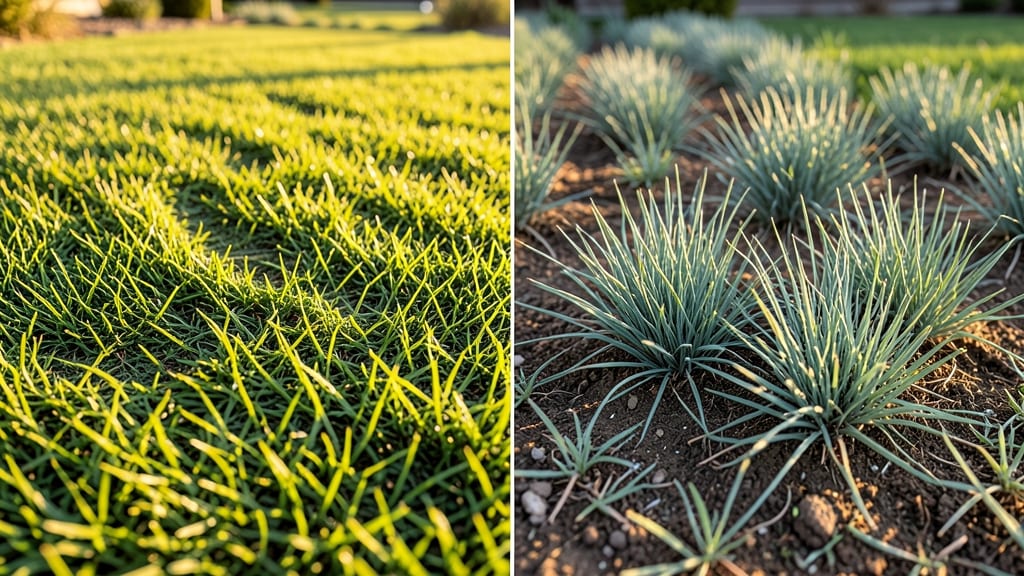
Struggling to identify your lawn type? Knowing whether you have cool-season grass, warm-season grass, or something else determines your mowing, watering, and fertilizing strategy. These seven quick visual tests will help you diagnose your lawn type in minutes—no lab required.
Check Grass Blade Color in Summer Heat
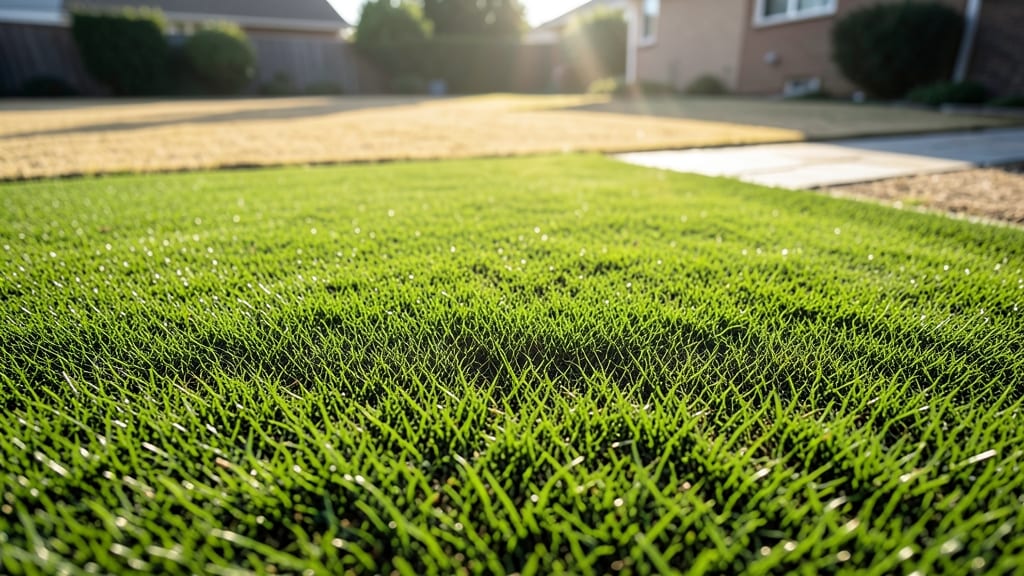
If your lawn stays lush and green while neighbors complain about brown patches, you might have warm-season grass like Bermuda or Zoysia. This simple color check reveals whether your grass thrives in summer heat or struggles.
Warm-season grasses maintain their vibrant color through hot summer months because they grow actively when temperatures rise above 80°F. In contrast, cool-season grasses like Kentucky Bluegrass turn brownish or dormant. This trait is especially common in Southern climates, where warm-season grasses dominate.
This test is perfect for homeowners in zones 7-11 who want to match their lawn care to their grass type. A quick summer inspection could save you time and water! 💚
Examine Blade Width and Texture

Ever wondered why your neighbor’s lawn looks so different from yours? The secret often lies in the blade width and texture—a dead giveaway for identifying whether you’ve got cool-season or warm-season grass. Grab a magnifying glass (or just squint closely) to spot these key clues.
Cool-season grasses like Fescue or Kentucky Bluegrass have fine, slender blades that feel almost like hair when you run your fingers through them. Warm-season types, such as St. Augustine or Bermuda, sport broad, coarse blades that are thicker and more rigid. This texture difference isn’t just for show—it directly impacts how your lawn handles mowing, drought, and even pest resistance. For example, fine blades tolerate closer mowing, while coarse blades thrive in heat but may need taller cuts.
This simple test is a game-changer for homeowners planning to overseed or fertilize. If your grass has narrow blades, you’re likely dealing with a cool-season variety perfect for Northern climates. Broad blades? You’ve got a warm-season lawn built for Southern summers. No guesswork needed—just a closer look! 🌿
Look for Seed Head Presence

Spring is the perfect time to spot subtle but telling clues about your lawn—like whether it’s cool-season or warm-season grass. One of the easiest ways to tell? Look for seed heads—those feathery or spike-like structures sprouting from your blades. If you see them, you’ve likely got Ryegrass, Fescue, or Bluegrass, all classic cool-season types.
Warm-season grasses like Centipede or Bahiagrass skip this step entirely, keeping their blades smooth and seed-free year-round. This difference isn’t just a quirky detail—it signals when your grass is actively growing (cool-season in spring) vs. dormant (warm-season waiting for heat). Grab a magnifying glass and scan your lawn after a rain; the presence (or absence) of these heads can reveal your grass’s secret growth schedule.
This trick is especially useful for homeowners in transition zones where seasons blur. Knowing whether your lawn is "speaking" through seed heads helps you time fertilizing, mowing, and watering for peak performance. 🌱
Test Root Depth with a Shovel
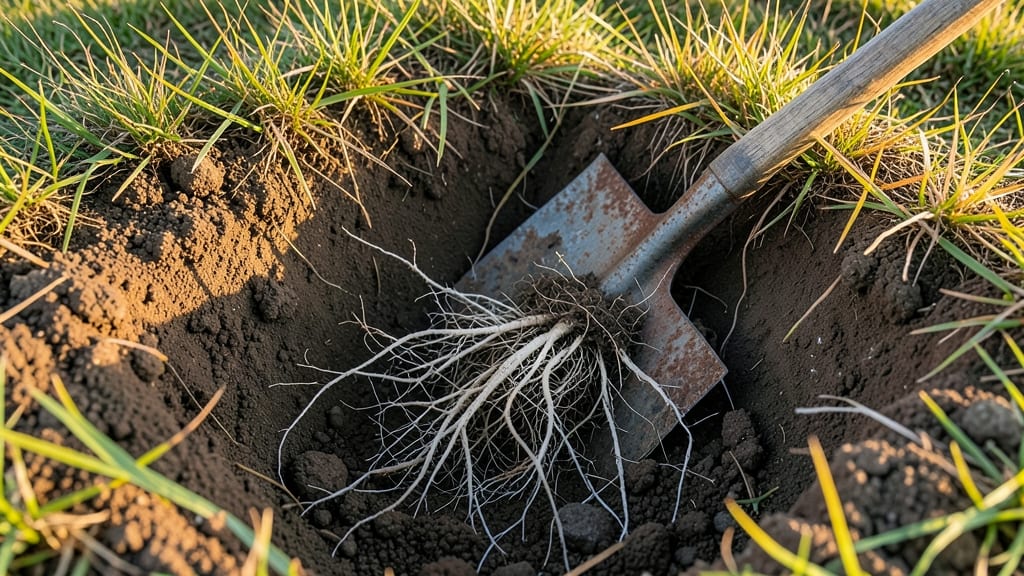
Curious why your lawn struggles during droughts? The answer might be hiding just below the surface. A simple shovel test reveals whether your grass has the deep, drought-resistant roots of Tall Fescue or the shallow system of Bahiagrass—information that directly impacts your watering strategy.
Dig a 6-inch hole in a hidden lawn corner. If you find a dense, fibrous root network extending 4–6 inches deep, you likely have cool-season grass. Shallow roots (1–3 inches) suggest warm-season grass. This test also explains why some lawns recover faster after dry spells—deep roots access moisture better during heatwaves.
Homeowners in transition zones (where winters dip below freezing but summers are hot) will find this test especially valuable. Knowing your root depth helps you choose between deep-watering for shallow roots or occasional deep soakings for deeper systems. 🌱
Identify Grass Growth Patterns

If your lawn has mysterious bare spots that refuse to fill in, the culprit might be how your grass naturally spreads—or doesn’t. Understanding whether your grass grows in clumps (bunch-type) or spreads via rhizomes (creeping runners) is the first step to repairing thin areas effectively.
Bunch-type grasses like Fine Fescue or Tall Fescue grow in isolated clumps, leaving gaps that won’t self-repair. In contrast, rhizomatous grasses like Bermuda or Kentucky Bluegrass send out horizontal stems that fill empty spaces naturally. This growth pattern directly impacts repair strategies—bunch types need overseeding, while spreaders can recover from damage on their own.
Homeowners struggling with patchy lawns will find this knowledge invaluable for choosing the right repair method. A quick visual scan for creeping stems or isolated clumps could save you time and money on lawn treatments. 🌱
Check for Cold Tolerance in Winter

A chilly winter morning reveals everything about your lawn’s identity. If your grass stays vibrant green under frost, you likely have cool-season grass (like Kentucky Bluegrass or Fescue). But if it turns dormant brown, you’re probably growing warm-season grass (like Bermuda or Zoysia).
This simple test helps you adjust seasonal care—cool-season grasses thrive in northern climates and need less water in winter, while warm-season types in southern regions go dormant to conserve energy. Check for green patches even in December: if they persist, your lawn is built for cold. 💡
Northern homeowners can relax knowing their lawn stays active year-round, while Southern gardeners should avoid overwatering dormant grass. This winter trick saves time and water! ⚡
Use a Grass ID App for Confirmation
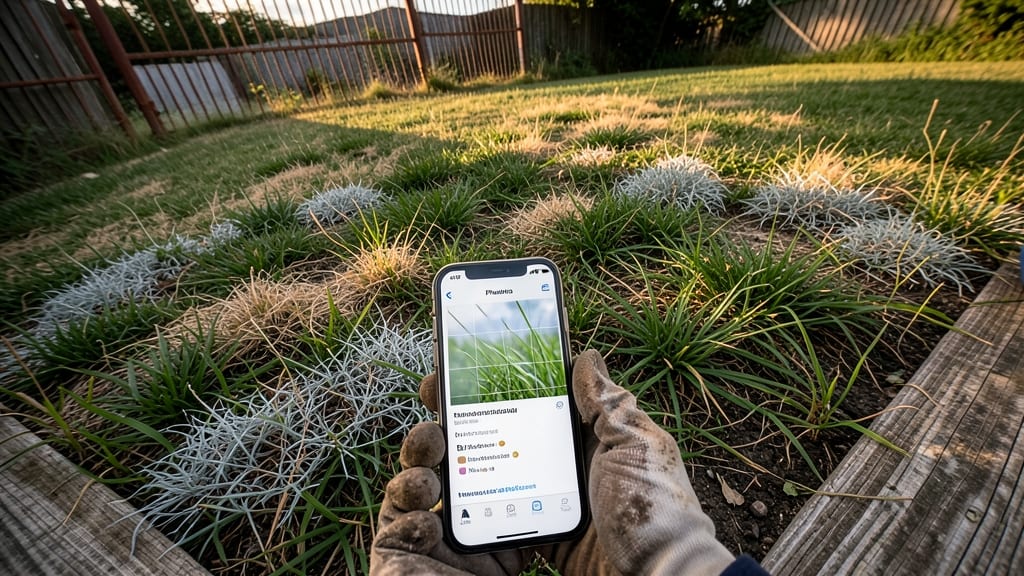
When your lawn seems like a mystery blend of textures and colors, even the most experienced gardeners can hit a wall. That’s where grass identification apps come in—like a botanist in your pocket, ready to decode your lawn’s secrets with just a few taps.
Apps like PlantNet or iNaturalist let you upload close-up photos of your grass blades, leaf tips, and growth patterns, then cross-reference them against a massive database of verified plant species. This is especially helpful for hybrid grasses or mixed lawns where visual tests alone fall short. Simply snap a few photos from different angles, and the app provides a confidence-level match, often pinpointing your grass type within seconds.
This tech-savvy solution is perfect for homeowners with unusual grass types, urban gardeners with limited space for testing, or anyone who wants a second opinion after manual inspections. No more guessing—just accurate, instant answers to transform your lawn care strategy. 💡