
Lawn
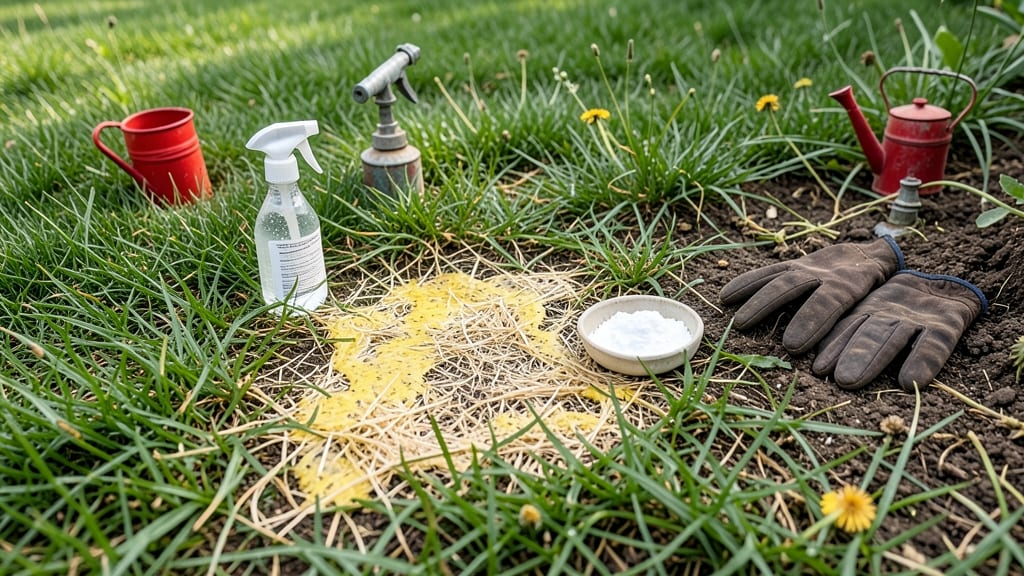
Dog pee kills lawn—unless you act fast. That high-nitrogen liquid fertilizer can turn vibrant grass into yellow craters overnight, and no amount of watering fixes it. I’ve watched my own yard go from lush to patchy in days, but I’ve also learned how to reverse it quickly.
Here’s the science: dog urine has up to 10x more nitrogen than regular urine, which concentrates when absorbed into the soil. The fix isn’t just watering—it’s dilution, timing, and recovery.
A simple hose-and-water trick can neutralize spots in 24 hours, but you’ll also need to train your pup to pee in one spot (or use pee absorbers).
By the end, you’ll have green grass where yellow patches used to be, no more guessing games. The key is acting fast—before the damage spreads. I’ll show you how to spot the early signs (like wilting blades) and stop them before they become permanent dead zones.
Works for any lawn, whether you’ve got a tiny yard or a big backyard. Let’s get those spots looking fresh again—no more sacrificing grass for your dog’s bathroom habits.
📚 In This Guide
- What you need
- Instructions
- Tips and common mistakes
- Wrapping up and next steps
What you need
- ● Garden hose with a spray nozzle (adjustable for fine mist or gentle stream) – 1
- ● Water-soluble lawn fertilizer (high in nitrogen, like 20-0-5 or similar) – 1 bag (20-30 lbs)
- ● Baking soda (for spot treatment) – 1 box (1 lb)
- ● Garden spray bottle (for baking soda solution) – 1 (16-32 oz)
- ● Gloves (nitrile or rubber, for protection) – 1 pair
- ● Garden rake (for loosening soil) – 1
- ○ Dog urine neutralizer product (optional but effective, like Nature’s Miracle) – 1 bottle
- ● Compost or topsoil (for patching bare spots) – 1 small bag (5-10 lbs)
- ● Overseeding mix (fast-growing grass seed) – 1 small packet
- ● Lawn sprinkler (for even watering) – 1 (if hose coverage is limited)
- ● pH testing kit (to check soil acidity) – 1
- ● Pet-safe mulch (like pine straw) – 1 bag (for high-traffic areas)
How to neutralize dog pee damage on your lawn in 24 hours
Here's the quick method I rely on to restore grass where dog pee has burned patches—no special tools needed.
Water the Affected Area Immediately
As soon as you notice yellow spots, water the area deeply for 10-15 minutes with a garden hose. This dilutes the concentrated urine and helps flush out excess salts and ammonia that damage grass roots. Focus on the center of the burned spot first, then gradually expand outward. You'll see the soil darken as it absorbs moisture—this is your signal the water is penetrating properly.
Don't skip this step. I've seen patches recover completely within 24 hours when watered right away, but if you wait too long, the damage becomes permanent. Watering also prevents the urine from spreading further into the soil where it can harm deeper root systems.
Apply a Neutralizing Rinse
Mix 1 tablespoon of white vinegar per gallon of water in a spray bottle or watering can. The vinegar's mild acidity helps neutralize the alkaline properties of dog urine, which is what causes the yellowing. Spray or water the affected area until the soil looks damp but not soggy. You'll notice the yellowed grass starts to perk up almost immediately—this is the vinegar working to restore the pH balance.
For larger patches, use 2 gallons of this solution per 10 square feet of lawn. Avoid over-saturating the soil, as this can suffocate roots. Apply in the early morning so the grass has time to dry before evening dew settles in.
Overseed the Damaged Spots
Once the area is dry, sprinkle grass seed directly over the yellowed patches using about 1/4 pound per 100 square feet. Press the seed lightly into the soil with your hand or a lawn roller to ensure good soil contact. Water the seeded area lightly but frequently for the next 7-10 days—keep the soil consistently moist, like a damp sponge, until the new grass reaches 2 inches tall.
I like to use a fast-growing grass blend designed for high-traffic areas, as it establishes quicker and resists future damage better. If you don't have extra seed, save a small amount from your last lawn renovation—just enough to patch these spots.
Adjust Watering and Fertilizing Habits
After reseeding, water the entire lawn deeply 2-3 times per week to encourage deep root growth. Shallow watering keeps roots near the surface, where they're more vulnerable to dog urine damage. You'll know you're watering deeply enough when the soil is moist 6 inches down—use a screwdriver to check. Avoid fertilizing the repaired patches for at least 4 weeks, as fertilizer can stress new grass and make it more susceptible to future urine damage.
Train your dog to urinate in one designated area of the lawn, like a gravel path or a section you've covered with landscape fabric. This gives the grass a chance to recover while protecting other areas. If you have multiple dogs, rotate their designated spots weekly to distribute the damage evenly.
Monitor and Maintain Recovery
Check the repaired patches daily for the first week to ensure they're staying moist but not waterlogged. If you see new yellowing, it could mean the soil isn't draining properly—add a thin layer of sand or compost to improve drainage. Healthy new grass should turn a vibrant green within 10-14 days, signaling successful recovery.
Once the new grass is established, mow it at a higher setting (3-4 inches) to strengthen the roots and improve resilience. This taller grass can better withstand future urine exposure and will blend seamlessly with the rest of your lawn.
Tips & tricks for reviving dog pee-damaged lawns
These simple strategies will help you restore your lawn faster and prevent future damage from dog urine.
Act Fast in Step 1: The 10-15 minute watering window in Step 1 is your best chance to prevent permanent damage. I've seen lawns recover completely within 24 hours when watered immediately, but waiting even an hour can make recovery much harder. Focus on the center of the yellowed spot first—the urine is most concentrated there. If you don't have a hose, use a watering can with warm water, which helps dissolve the urine salts more effectively.
Vinegar Application Secret: When mixing your vinegar solution in Step 2, use a spray bottle for small patches—it gives you better control and prevents over-saturating the soil. For larger areas, a watering can works fine, but apply it in light, even passes rather than dumping all 2 gallons at once. The goal is to restore pH balance without suffocating the roots. You'll know you've done it right when the yellowed grass starts turning green within minutes of application.
Seed Placement Matters: In Step 3, don't just scatter seed randomly over the damaged spots. Use your hand or a lawn roller to press the seed lightly into the soil—this ensures good soil contact which is crucial for germination. For particularly stubborn patches, you can make small furrows with a garden rake to create seed beds. This technique helps the seed stay in place during those critical first 7-10 days of frequent watering.
Long-Term Prevention: The landscape fabric mentioned in Step 4 is a game-changer for preventing future damage. I recommend using it in high-traffic areas where your dog frequently urinates. You can find it at most garden centers and it's surprisingly affordable. If you don't want to use fabric, consider creating a designated gravel path—it's easy to clean and won't be damaged by urine. Remember to rotate these spots weekly if you have multiple dogs to distribute the damage evenly.
Pro Tips for Dog Pee Kills Lawn
- These simple strategies will help you restore your lawn faster and prevent future damage from dog urine.
- Act Fast in Step 1: The 10-15 minute watering window in Step 1 is your best chance to prevent permanent damage. I've ...
- Vinegar Application Secret: When mixing your vinegar solution in Step 2, use a spray bottle for small patches—it give...
Frequently asked questions
Got questions about how to save your lawn from dog pee damage?
You’re not alone! Here are some of the most common concerns—and quick fixes—to keep your grass green and happy.
Why does dog pee kill grass so fast?
Dog urine is highly concentrated with nitrogen, which burns grass blades when it’s too strong. The high pH (alkaline) also disrupts soil health, leading to yellow or brown patches. Frequent urination in the same spot compounds the damage, starving roots of nutrients.
How long does it take for dog pee to damage grass?
Visible damage can appear in as little as 24–48 hours if urine isn’t diluted. However, repeated urination in the same area causes long-term harm, weakening grass over weeks or months. Act fast to neutralize spots before they spread!
What’s the best way to neutralize dog pee on lawns?
Dilute fresh urine with water immediately to reduce concentration. For stubborn spots, mix 1 part white vinegar or a lawn-safe acidifier with 3 parts water and spray directly. Avoid overwatering afterward—aim for 1–2 inches per week to prevent further stress.
Can I train my dog to pee in one spot to save my lawn?
Yes! Designate a gravel or mulch area (like a pee pad or patch of rocks) and reward your dog with treats when they use it. For yards, train them to pee on bare soil or a designated path where grass can recover faster. Consistency and patience are key!
My lawn still has yellow spots after treatment—what now?
If spots persist, overseed the area with a shade-tolerant grass blend (like fescue or ryegrass) and top-dress with compost. For severe damage, consider sod patches or a lawn repair mix. Test soil pH—ideal levels are 6.0–7.0—and amend with sulfur if needed.
Are there dog foods or supplements that reduce urine damage?
Switching to a low-protein, high-moisture diet (like wet food or veggie mixes) can dilute urine. Add cranberry supplements (vet-approved) to acidify urine slightly, but don’t rely on them alone—dilution and lawn care are still critical!
Wrapping up and next steps
Don’t let dog pee turn your lawn into a patchwork of yellow! With the right tools—like vinegar, baking soda, or commercial neutralizers—you can restore your grass in just 24 hours and keep your yard lush and healthy.
The key is consistency: clean up accidents quickly, dilute urine when possible, and give your lawn the TLC it deserves.
Ready to take action? Pick your method today and watch your grass bounce back! 🌱 For extra tips, check out our FAQ section or experiment with a few techniques to find what works best for your yard.