
Lawn
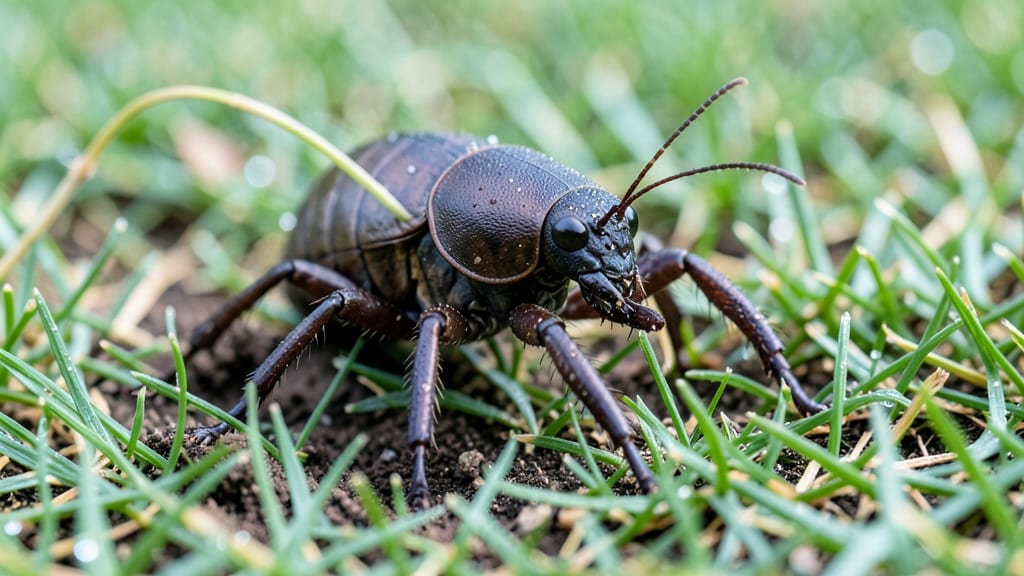
Mole crickets tunneling through your lawn leave behind unsightly mounds and chewed grass roots—until you learn their life cycle and disrupt it naturally. 🌱 These wingless pests aren't actual moles (they lack fur and claws), but their damage looks identical: irregular holes, weakened turf, and struggling plants.
The good news? You can outsmart them without harsh chemicals.
Most infestations happen in warm climates during summer, when mole crickets thrive in moist, sandy soil. They prefer newly seeded lawns or areas with thin grass coverage, where their underground tunnels go undetected.
The key to control lies in their behavior: they surface at night to feed and lay eggs, making them vulnerable to targeted traps and organic deterrents.
With the right approach, you'll see fewer mounds within 2-3 weeks and stronger grass roots by fall. The secret is combining physical barriers (like sand or diatomaceous earth), beneficial nematodes, and proper lawn care to make your yard less inviting.
No more guessing—just proven, chemical-free results that protect your lawn's health.
This works for both established lawns and new seedings, though prevention is easier than cure. Start with soil testing to rule out moisture issues, then layer in organic solutions that work year-round. Your lawn will bounce back faster than you'd expect—without the chemical residue or harm to pets and kids.
The Hidden Triggers Behind Lawn Invaders
If your lawn is suddenly riddled with tiny mounds of dirt and you’ve spotted tiny, winged critters darting around, you’re likely dealing with cricket moles (or their close relatives, like mole crickets). These pests don’t just appear out of nowhere—they’re drawn to specific conditions in your yard.
Understanding why they’re there is the first step to kicking them out for good. Let’s break down the science behind their unwanted visits.
Cricket moles thrive in lawns that offer them the perfect buffet—and that means soft, moist soil packed with organic matter. Here’s why:
- Overwatered or compacted soil: Cricket moles love loose, easy-to-tunnel soil. If your lawn retains too much moisture (from overwatering, poor drainage, or heavy clay), the soil becomes a playground for them. Pro tip: Test your soil’s drainage by digging a small hole and filling it with water—if it doesn’t drain within 6 hours, you’ve got a problem. 💡
- Thatch buildup: A thick layer of thatch (dead grass and roots) creates a cozy, shaded layer where cricket moles hide and feed. They burrow just beneath the surface, making your lawn look like it’s been attacked by tiny bulldozers. 🌡️
- Lack of predators: Healthy lawns with diverse ecosystems (like earthworms, beetles, and birds) naturally keep cricket mole populations in check. If your yard is missing these helpers, the moles move in unchecked. ✨
Actionable fix: Aerate your lawn in fall or spring to reduce compaction, and overseed to encourage deeper root growth—this makes the soil less inviting for burrowers.
Cricket moles aren’t picky eaters—they’ll chow down on grass roots, insects, and even organic debris. If your lawn is already struggling, it becomes an all-you-can-eat buffet for them:
- Weak or thin grass: Stressed grass (from drought, disease, or poor fertilization) has shallow roots, making it easier for cricket moles to feast. They prefer Bermuda, St. Augustine, and centipede grass, which are soft and nutritious. 📊
- Insect infestations: Cricket moles don’t just eat grass—they also hunt grubs, worms, and other soil-dwelling insects. If your lawn is already hosting a bug party, the moles will follow. 🐜
- Organic debris buildup: Leaves, mulch, and dead plant matter create hiding spots and food sources. A yard with excessive debris is like a five-star hotel for cricket moles. 🏨
Actionable fix: Strengthen your grass with proper fertilization (high in nitrogen for recovery) and reduce thatch by dethatching annually. If grubs are the issue, introduce beneficial nematodes to tackle them naturally.
Cricket moles are seasonal opportunists, and their activity spikes under certain weather conditions:
- Warm, humid climates: They’re most active in southeastern and Gulf Coast states, where temperatures stay mild year-round. Even in cooler regions, they’ll emerge in late spring to early fall when soil is warm and moist. 🌡️
- Rainy seasons: Heavy rainfall softens the soil, making it easier for them to dig. After a downpour, keep an eye out for new molehills—this is their telltale sign of a feast in progress. 🌧️
- Drought followed by rain: Paradoxically, cricket moles also love dry spells that weaken grass. When rain finally comes, the stressed lawn becomes an easy target. ⏳
Actionable fix: Adjust your watering schedule—aim for 1 inch per week (including rain) and water deeply but infrequently to avoid creating a mole magnet.
Sometimes, the problem isn’t the lawn itself—it’s what we do to it. Common gardening mistakes can unintentionally invite cricket moles:
- Over-fertilizing with nitrogen: While grass loves nitrogen, it also makes roots softer and more appealing to cricket moles. Think of it as serving them a gourmet meal. 🍽️
- Using thick mulch near grass edges: Mulch piles near lawns create dark, moist tunnels—perfect for nesting. If your mulch is touching the grass, you’re rolling out the welcome mat. 🛏️
- Ignoring bare spots: Patchy lawns (from pet urine, foot traffic, or disease) leave exposed soil, which cricket moles use as highways for burrowing. 🚧
Actionable fix: Switch to a slow-release, balanced fertilizer (like 16-4-8) and keep mulch at least 6 inches away from grass edges.
Natural Ways to Kick Out Cricket Moles
Cricket moles—those tiny but destructive lawn invaders—can turn your lush green space into a riddled mess in no time. The good news? You don’t need harsh chemicals to evict them.
Below are targeted, eco-friendly solutions tailored to the root causes of their presence, plus prevention tips to keep them from returning. Let’s reclaim your lawn, one step at a time!
Cricket moles thrive in moist, soft soil where they can burrow with ease. If your lawn stays soggy after rain or watering, it’s an all-you-can-eat buffet for them.
How to Fix It:
- 🍳 Reduce Watering Frequency – Water deeply but less often (1–1.5 inches per week) to let the soil dry out between sessions. Use a rain gauge or tuna can to measure.
- 👨🍳 Improve Drainage – Aerate compacted soil in the fall or spring to help water drain faster. Rent a core aerator or hire a pro for stubborn patches.
- 🥘 Add Organic Mulch – Spread 2–3 inches of straw or wood chips around plants to absorb excess moisture and deter burrowing.
- ⏰ Water in the Morning – Avoid evening watering, which can prolong dampness and attract pests overnight.
💡 Pro Tip: If your lawn has clay soil, mix in compost or sand (50/50) during aeration to improve drainage long-term.
Cricket moles aren’t the main pests—they’re opportunistic diners feeding on grubs, beetle larvae, and other insects. Cut off their meal ticket, and they’ll move on.
How to Fix It:
- 🔪 Introduce Beneficial Nematodes – These microscopic worms (Steinernema carpocapsae) hunt grubs naturally. Apply them to damp soil in the evening for best results.
- 🥗 Use Neem Oil Spray – A 1% neem oil solution (mix 1 tbsp neem oil + 1 tsp mild soap + 1 quart water) disrupts the life cycle of beetles and grubs. Spray on lawn in early morning or late evening.
- 🍎 Encourage Predatory Birds & Toads – Install a birdbath or toad house to attract natural cricket mole predators. Avoid pesticides that harm these helpers!
- 🎯 Plant Grub-Resistant Grass – Switch to tall fescue or buffalo grass, which grubs avoid. Overseed bare spots in fall for a thicker lawn.
💡 Pro Tip: Diatomaceous earth (food-grade) sprinkled lightly over active tunnels can dehydrate grubs—but reapply after rain.
If cricket moles are already tunneling, physical barriers and humane traps can corral them out without harm.
How to Fix It:
- 🔧 Install Copper or Iron Barriers – Bury a 1-foot-deep trench around your lawn filled with copper mesh or cast-iron fragments (they dislike the metal). Extend it at least 2 feet beyond active tunnels.
- 🕳️ Set Humane Buckets – Dig a hole near tunnels, place a 5-gallon bucket with the top inverted (like a funnel). Cricket moles will fall in but can’t climb out. Release them far from your lawn (50+ feet away).
- 🌡️ Use Heat or Vibration Deterrents – Solar-powered ultrasonic spikes or vibration plates (like those for voles) can disrupt their tunneling. Place them along tunnel paths.
⚠️ Warning: Avoid poison baits—they can harm pets, kids, and beneficial wildlife. Stick to non-toxic methods!
Once you’ve evicted them, reinforce your lawn’s defenses to prevent a repeat invasion.
How to Fix It:
- 🌿 Maintain Lawn Health – Mow high (3–4 inches) to shade soil and reduce moisture loss. Overseed thin areas to crowd out pests.
- 🔍 Monitor for Early Signs – Check for new mounds or shallow tunnels in spring/fall (their peak seasons). Act fast!
- 🌱 Plant Cricket Mole-Repelling Ground Covers – Clover, mint, or catnip (yes, the cat herb!) can deter them with their strong scents. Plant borders around your lawn.
- 🎯 Rotate Natural Repellents Seasonally – Alternate between neem oil, nematodes, and diatomaceous earth to confuse pests and prevent resistance.
💡 Pro Tip: Coffee grounds sprinkled around the lawn (used, not instant) can also repel cricket moles—just rake them into the soil lightly.
| Season | Action Plan | Why It Works |
|---|---|---|
| Spring | Aerate + apply nematodes | Grubs hatch—strike while they’re young! |
| Summer | Reduce watering + install barriers | Soil dries; moles seek cooler, damper spots elsewhere. |
| Fall | Overseed + use neem oil spray | Grubs lay eggs—disrupt their cycle early. |
| Winter | Check for new tunnels + reinforce borders | Dormant season—prep for next year! |
Final Thought: Cricket moles may be tiny, but with patience and persistence, you can outsmart them naturally. Start with one or two methods, monitor progress, and adjust as needed. A healthy lawn is their worst nightmare—and your best defense! 🚀
Frequently asked questions
Are cricket moles the same as actual moles?
No, they're completely different! Cricket moles are actually mole crickets—wingless, beetle-like insects that burrow in soil. Real moles (like the common eastern mole) have fur, claws, and no wings. Cricket moles leave behind smaller, irregular mounds of dirt and prefer sandy, moist lawns, while true moles create deeper tunnels with larger, volcano-shaped mounds.
How do I know if my lawn has cricket moles or grubs?
Check for these clues: Cricket moles create shallow, irregular tunnels and small mounds, while grubs (their food source) cause yellow patches where grass pulls up easily. Dig up a section—if you find white, C-shaped larvae (grubs), they're attracting the moles. If you see tiny, brown beetle-like insects, those are adult mole crickets.
Will coffee grounds really keep cricket moles away?
Yes, but only as part of a layered approach! Used coffee grounds (not instant) contain caffeine that repels them when worked into the soil. For best results, combine with other methods like neem oil spray or beneficial nematodes. Sprinkle grounds lightly around the lawn's edge and rake into the soil—reapply every 2-3 weeks during active seasons.
Are there any plants that naturally repel cricket moles?
Plant mint, catnip, or clover around your lawn's perimeter—their strong scents deter mole crickets. You can also try marigolds or lemongrass, which they dislike. For instant results, crush fresh mint leaves and place them near active tunnels, replacing every few days.
How long does it take to see results from natural treatments?
Most methods show improvement within 2-3 weeks, but complete elimination may take 2-3 months of consistent effort. The fastest results come from combining humane traps (like bucket traps) with soil drying techniques (reduced watering) and nematode applications. Monitor your lawn daily for new tunnels to adjust your approach.