
Lawn
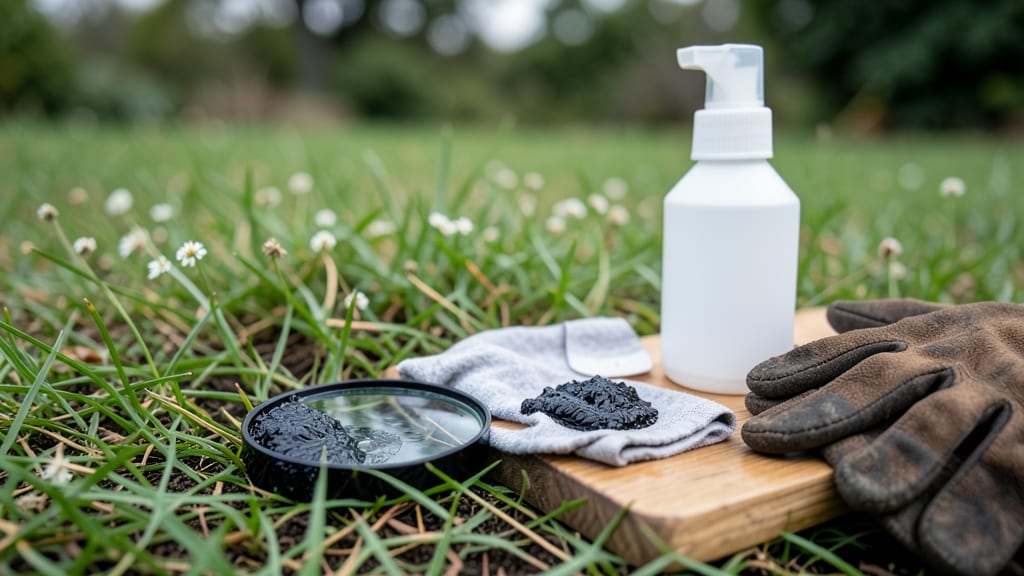
Black slime mold creeping across your lawn like a living stain? 🌱 That oily, black mess isn’t dirt—it’s a fast-spreading fungus that thrives in damp, shaded grass.
I’ve battled this stubborn problem in my own yard, and the good news is you can banish it in 24 hours without harsh chemicals. The secret lies in understanding its weak spots: too much moisture, thick thatch, and organic debris acting as a buffet.
Most people panic and reach for fungicides, but slime mold responds instantly to simple fixes: rake up the patches, improve airflow, and let sunlight dry the soil. My lawn went from slimy to spotless in a single afternoon using just a stiff broom and a few hours of sunshine.
The key is acting fast—once it spreads, it’s harder to control. You’ll end up with a lawn that stays clean, green, and mold-free all season. The patches disappear, the grass recovers, and you avoid the need for chemical treatments.
This method works for both small patches and larger infestations, as long as you tackle it before it takes over. Prevention is even easier: aerate in spring, mow high, and clear debris regularly. A little maintenance keeps your lawn healthy enough to resist slime mold naturally.
Let’s get your grass back to its best!
Hidden Triggers Behind Black Lawn Fungus
That unsightly black slime mold creeping across your lawn isn’t just a random nuisance—it’s a reaction to specific conditions your grass creates. Understanding these triggers is the first step to stopping it before it spreads.
Let’s break down the key causes of this fungal takeover, so you can address the root problem (literally).
Black slime mold thrives in excess moisture, especially when lawns stay damp for extended periods. Here’s why:
- Overnight hydration: Watering in the evening or after dark prevents grass from drying out before nightfall. When dew or irrigation keeps blades wet for more than 12–16 hours, mold spores activate.
- Compacted soil: Heavy foot traffic, machinery, or clay-heavy soil traps water like a sponge. Mold spreads faster in these soggy zones because spores need oxygen to germinate, and compacted soil suffocates roots but traps moisture.
- Shady, low-lying areas: Slopes or spots under trees retain moisture longer. Mold often appears in these "wet zones" because sunlight can’t evaporate excess water.
Actionable fix: Water deeply but early in the morning (before 10 AM) to allow grass to dry by evening. Aerate compacted areas to improve drainage—rent a core aerator or spike aerator for DIY fixes.
Leaves, thatch, and grass clippings aren’t just eyesores—they’re mold magnets. Here’s how they fuel the problem:
- Thatch layers: A thatch layer thicker than ½ inch blocks airflow and traps moisture. Mold spores hitchhike on decomposing organic matter, using it as a food source.
- Leaf litter: Wet leaves create a microclimate where mold spores thrive. A single layer of leaves can raise soil humidity by 30% or more.
- Grass clippings: While mulching clippings is eco-friendly, thick layers (over ¼ inch) smother grass and promote mold growth.
Actionable fix: Rake up leaves weekly during fall/winter. Dethatch your lawn in spring using a rake or vertical mower. Mow high (3–4 inches) to reduce clipping volume and improve airflow.
Black slime mold doesn’t appear in extreme heat or freezing temps—it loves the Goldilocks zone. Ideal conditions for outbreaks:
- Cool, damp mornings (50–65°F): Mold spores germinate when temperatures drop at night but stay above freezing. This happens most often in spring and fall.
- High humidity (70%+): Even without rain, humid air keeps grass blades damp longer. Mold spreads via spore dispersal in misty or foggy conditions.
- Rapid temperature shifts: Sudden drops (e.g., warm day → cool night) create condensation on grass, mimicking an irrigation cycle.
Actionable fix: Monitor your local weather forecasts for humidity spikes. Use a soil moisture meter to avoid overwatering during humid periods. If mold appears seasonally, plan for preventative treatments (like cornmeal fungus control) in early spring.
Too much nitrogen or phosphorus in your lawn can create the perfect mold buffet. Here’s how:
| Nutrient Issue | How It Helps Mold | Signs to Watch For |
|---|---|---|
| Excess nitrogen (from fertilizers) | Promotes soft, lush grass that retains moisture longer. Mold spores feed on the decaying organic matter nitrogen encourages. | Dark green, spongy grass; rapid growth but weak roots. |
| Low potassium (common in sandy soils) | Weakens grass drought tolerance. Stressed grass can’t recover from moisture, making it vulnerable to mold. | Brown patches even when watered; grass wilts easily. |
| High thatch + fertilizer | The combo creates a thick, moist mat where mold spores explode in growth. | Black "slime" appears within 24–48 hours after watering. |
Actionable fix: Test your soil (DIY kits from garden centers work) and balance nutrients. Reduce nitrogen-heavy fertilizers in fall/winter. Add potassium-rich compost or a slow-release fertilizer to strengthen grass resilience.
Pro Tip: 💡 Black slime mold is not a sign of poor lawn health—it’s a symptom of temporary conditions. Fix the triggers above, and you’ll see outbreaks disappear within days without chemicals.
How to solve it
H2: How to Fix It Naturally
Black slime mold may look alarming, but it’s usually harmless to your grass—and often disappears as quickly as it appears! The key is addressing the root causes while using gentle, eco-friendly methods to restore your lawn’s health.
Below, we break down cause-specific fixes and share prevention tips to keep your yard looking lush and slime-free.
---
If your lawn stays soggy for too long, black slime mold thrives in the damp conditions. Here’s how to dry it out and prevent future outbreaks:
#### 🔥 Step 1: Let It Dry Out - Stop watering immediately for 24–48 hours to allow the mold to dissipate naturally.
Slime mold needs moisture to spread, so removing the trigger is the fastest fix. - Avoid walking on wet grass—this can spread spores and damage your lawn further.
#### 🍳 Step 2: Improve Drainage - Aerate compacted soil with a core aerator to help water drain more efficiently. Focus on low-lying areas where water pools. - Rake or dethatch if thatch buildup is trapping moisture.
Aim for a thatch layer no thicker than ½ inch. - Consider a slight slope in problem areas by redistributing soil (if feasible) to encourage runoff.
#### 💡 Pro Tip: If your yard has clay soil, mix in compost or sand (50/50 ratio) to improve drainage over time. This also boosts soil health for long-term resilience.
---
A dense, thatchy lawn retains moisture and blocks airflow—perfect conditions for slime mold. Thin out the grass to let your lawn breathe.
#### 👨🍳 Step 1: Mow Higher - Raise your mower blade to 3–4 inches to encourage deeper roots and reduce thatch buildup. Taller grass shades the soil, slowing moisture evaporation but also reducing mold risks when balanced with airflow.
#### 🔪 Step 2: Dethatch or Overseed - For thick thatch: Rent a dethatching machine or use a stiff rake to remove excess debris.
Do this in spring or early fall when grass recovers fastest. - For bare spots: Overseed with a drought-tolerant grass mix (like tall fescue or Kentucky bluegrass) to fill gaps and improve density.
#### ✨ Prevention Hack: Apply a light layer of compost after dethatching to feed soil microbes, which naturally break down thatch over time.
---
Shady, humid areas are slime mold magnets. Break up stagnant air and reduce moisture retention with these tricks:
#### 🌿 Step 1: Prune Overhanging Branches - Trim trees or shrubs casting dense shade onto your lawn. Even partial sunlight (4–6 hours/day) helps dry surfaces faster.
#### 💨 Step 2: Use a Fan or Ventilation - For small yards, place a gentle outdoor fan (like a solar-powered one) to circulate air during humid mornings or evenings. - Strategic landscaping: Plant tall, airy perennials (like ornamental grasses) around the yard’s perimeter to create natural airflow.
#### 🎯 Long-Term Fix: Install a soil moisture sensor to monitor dampness and adjust watering schedules before mold strikes again.
---
While slime mold doesn’t require harsh chemicals, you can speed up removal with these safe methods:
#### 🧹 Step 1: Sweep or Rake It Up - Use a stiff broom or leaf rake to gently sweep away mold patches. Avoid digging, which can spread spores. - Compost the debris—it’s organic and won’t harm your garden!
#### 💦 Step 2: Spot-Treat with Vinegar (Optional) - Mix 1 part white vinegar with 3 parts water in a spray bottle. - Lightly mist affected areas (avoid oversaturating). The acidity disrupts mold spores without harming grass.
#### 🚫 What NOT to Do: - Don’t use bleach or fungicides—they’re unnecessary and can damage your lawn’s ecosystem. - Avoid heavy foot traffic on wet grass until the mold fully disappears (usually 24–72 hours).
---
Slime mold is a sign your lawn needs TLC. Use this monthly maintenance plan to stay ahead:
| Task | When to Do It | Why It Helps | |-------------------------|-------------------------|------------------------------------------| | Mow at 3–4 inches | Every 1–2 weeks | Reduces thatch and improves airflow | | Water deeply, early | Before 10 AM | Encourages deep roots, cuts evening dampness | | Aerate annually | Early fall | Breaks up compacted soil for better drainage | | Rake up debris | After mowing/rain | Prevents moisture buildup | | Test soil pH | Spring or fall | Aim for 6.0–7.0—ideal for grass growth |
--- Final Thought: Black slime mold is more of a nuisance than a threat, and with these fixes, your lawn will bounce back faster than you think! Focus on drainage, airflow, and smart watering, and you’ll send this slimy visitor packing for good. 🌿✨
Frequently asked questions
Is black slime mold harmful to my grass or pets?
No, black slime mold is completely harmless to your grass and pets. It’s a non-parasitic fungus that feeds on decaying organic matter, not living plants. While it can look unsightly, it won’t damage your lawn or harm animals that walk or play on it. The only "damage" is cosmetic—it disappears quickly once conditions dry out.
Will black slime mold come back if I fix the problem once?
It might return if the underlying conditions persist. For example, if you don’t address moisture retention or thatch buildup, new outbreaks can appear during humid weather. The key is implementing preventative measures like proper watering schedules, aeration, and regular lawn maintenance to keep your yard less hospitable for mold.
Can I use household items like baking soda or hydrogen peroxide to remove black slime mold?
While baking soda and hydrogen peroxide are great for some mold types, they’re unnecessary for black slime mold. The fastest method is simply letting the area dry out—no chemicals required. If you prefer a natural option, a vinegar-water solution (1:3 ratio) works gently, but avoid oversaturating the grass. Stick to physical removal (raking) for best results.
How do I know if my lawn has black slime mold vs. another type of fungus?
Black slime mold has distinct characteristics: it appears as glossy, black, jelly-like patches that spread quickly in damp conditions. Unlike brown patch fungus (which leaves dead grass) or dollar spot (small circular patches), slime mold doesn’t harm living plants—it just looks like a living stain. If you see these slimy, oily patches, it’s almost certainly black slime mold.
Should I call a professional if my lawn keeps getting black slime mold?
Only if the problem persists despite your best efforts. Most cases resolve with basic lawn care adjustments. However, if your yard has severe drainage issues (like standing water) or compacted soil that won’t improve, a lawn care specialist can assess deeper problems. For most homeowners, DIY fixes like aeration and proper watering will keep mold at bay.