
Lawn
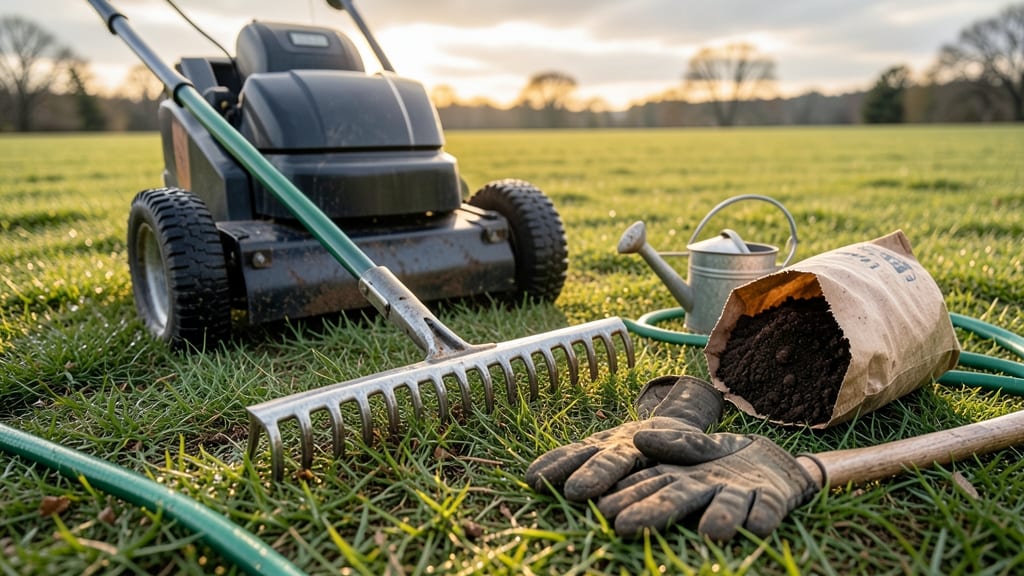
Your lawn’s thatch problem won’t fix itself—this is the best way to dethatch a lawn once and for all. 🌱 I’ve spent years perfecting a spring-fall technique that actually works, not just the half-measures that leave you frustrated. The key?
Timing, the right tools, and knowing when to stop. Most people wait until summer, but that’s a recipe for stressing your grass. Early fall or late spring gives your lawn time to recover before heat or drought hits.
You’ll need either a manual rake for small patches or a powered dethatcher for larger areas—no guesswork, just results. By the end, you’ll see thatch reduced to a thin layer (under ½ inch), roots breathing easier, and water/fertilizer finally reaching where they’re needed.
The difference in grass color and density is noticeable within weeks. For cool-season grasses like fescue or bluegrass, fall is ideal. Warm-season grasses? Early spring before new growth kicks in. Let’s get started—your lawn will thank you.
📚 In This Guide
- What you need
- Instructions
- Tips and common mistakes
- Wrapping up and next steps
What you need
- ● Dethatching rake (vertical mower or power rake): Choose a bow rake with stiff tines (for small lawns) or a power rake (for larger areas, 100+ sq. ft.).
- ● Ensure tines are 1.5–2 inches long for optimal thatch removal.
- ○ Lawn mower (optional but helpful): A sharp mower blade set to 1–1.5 inches (never cut more than ⅓ of the grass height at once).
- ● Garden hose or sprinkler: For wetting the lawn to 1–2 inches deep before and after dethatching.
- ● Garden gloves & safety goggles: Protect your hands and eyes from debris and sharp tines.
- ○ Lawn fertilizer (optional): Choose a high-nitrogen, slow-release fertilizer (e.g., 20-0-5 ratio) to help grass recover.
- ● Ideal weather: Mild, dry conditions (avoid rain for 24–48 hours before/after).
- ● Grass height: Mow to 2–3 inches before dethatching to prevent scalping.
- ● Thatch thickness check: If thatch is ½ inch or thicker, dethatching is necessary.
Step-by-step instructions for dethatching your lawn
Here's the foolproof method I use every season to keep grass healthy and thatch under control.
✂️ Step 1: Mow the Lawn Short First
Set your mower to its lowest setting and cut the grass to about 1 inch tall. This exposes the thatch layer and makes it easier for your dethatching tool to penetrate. I always do this a day before dethatching so the grass has time to recover slightly from the stress of being cut so short.
Don't skip this step—long grass blades act like a protective layer that prevents your rake or dethatcher from reaching the thatch. You'll see the difference immediately when you start dethatching: short grass makes the process much more effective with less effort.
🪴 Step 2: Choose the Right Tool and Timing
For small lawns, a stiff metal rake works well. For larger areas, rent a vertical mower or dethatching machine. The key is to work when the soil is moist but not soggy—right after a light rain or when the grass shows signs of morning dew. I like to start in the late afternoon when temperatures are cooler, which reduces stress on the grass.
Never dethatch when the ground is dry or frozen. Dry thatch will fly everywhere, and frozen soil makes the job impossible. You'll know you've timed it right when the thatch layer lifts easily with your tool and the grass springs back up afterward.
🌱 Step 3: Dethatch in Small Sections
Work in strips about 2 feet wide, pulling the dethatching tool or rake toward you to lift the thatch. For a metal rake, use short, firm strokes—don't drag it. You're not trying to tear up the lawn, just loosen the thatch layer. I aim to remove about ½ inch of thatch at a time, which is plenty for most lawns.
Watch for grass roots—if you see them coming up with the thatch, you've gone too deep. The goal is to remove only the thatch layer, not damage the healthy grass below. You'll notice the lawn looks rough and uneven after dethatching, but that's normal and will even out as it recovers.
💧 Step 4: Water and Fertilize Immediately After
Give the lawn a deep watering right after dethatching to help the grass recover. Aim for about 1 inch of water spread over 30-60 minutes. This settles the soil and helps roots re-establish contact with the moisture. I always fertilize lightly at this stage too—use a high-nitrogen fertilizer to encourage rapid regrowth.
Don't overwater, though. Soggy conditions can lead to fungal issues, and you want the grass to establish new roots, not just sit in water. You'll see new growth within 7-10 days if everything is done correctly—the grass will turn a deeper green and fill in any bare spots.
☀️ Step 5: Monitor and Maintain Through Recovery
Keep the lawn lightly watered for the next 2-3 weeks, watering in the early morning to prevent evaporation. Avoid heavy foot traffic during this time—let the grass strengthen. I also avoid mowing for at least 2 weeks to give the lawn time to recover fully.
If you see brown patches that don't green up within 3 weeks, you may have gone too deep during dethatching. In that case, overseed the area and keep it moist until new grass appears. With proper care, your lawn will be thicker and healthier than ever after this process.
Tips & tricks for perfect lawn dethatching
Here's what nobody tells you about making this process easier—and more effective—than ever.
Timing is Everything: The 30-60 minute deep watering after dethatching is your secret weapon. I always set up my sprinkler system for 30 minutes first, then check the soil moisture. If it's still dry, add another 30 minutes. The goal is to saturate the soil about 4-6 inches deep—this helps the grass roots reattach to the soil and speeds up recovery. You'll notice the grass looks perkier within just a few hours of this proper watering.
Tool Technique: When using a metal rake, work in the same direction as your lawn's natural growth pattern. This prevents tearing the grass and makes it easier to lift thatch without damaging roots. I like to use a rake with wide tines—it covers more ground quickly. For stubborn thatch, gently scrape the rake back and forth a few times in one spot rather than forcing it through. You'll see the thatch layer lift more easily this way.
Recovery Hack: After dethatching, spread a thin layer of compost over the lawn before watering. This adds nutrients and helps the grass recover faster. I use about ¼ inch of compost spread evenly—just enough to cover the surface. The compost also helps hold moisture in the soil during the critical 2-3 week recovery period. This step is optional but makes a noticeable difference in how quickly your lawn bounces back.
Visual Check: Before you start dethatching, do the "squeeze test" on your lawn. Grab a handful of grass and gently squeeze the base. If you feel a spongy layer between the grass and soil—that's your thatch. The thicker this layer feels, the more aggressive you'll need to be with your dethatching. I aim to remove about half of this spongy layer in one session, but never more than ½ inch at a time to avoid damaging roots.
Pro Tips for Best Way To Dethatch A Lawn
- Here's what nobody tells you about making this process easier—and more effective—than ever.
- Timing is Everything: The 30-60 minute deep watering after dethatching is your secret weapon.
- Tool Technique: When using a metal rake, work in the same direction as your lawn's natural growth pattern.
Frequently asked questions
Got questions about dethatching? You’re not alone! Here are answers to the most common concerns—so you can tackle thatch like a pro.
When is the best time to dethatch my lawn?
The ideal window is spring or early fall when grass is actively growing but not dormant. Avoid summer heat or winter frost—both stress the lawn. For cool-season grasses (like Kentucky bluegrass), late spring is best; warm-season grasses (like Bermuda) thrive in early fall. Pro tip: Dethatch when soil is moist but not soggy for cleaner results!
How do I know if my lawn needs dethatching?
Check the thatch layer: If it’s ½ inch or thicker, it’s time to act. Signs include water running off instead of soaking in, pests or diseases thriving, or grass feeling spongy underfoot. Gently pull up a small patch of turf—if you see a thick, mat-like layer between grass and soil, dethatch!
Can I dethatch without a machine? What are my alternatives?
Yes! For small lawns or light thatch (¼ inch thick), try a sharp rake or a thatch-raking tool (like a spring-tine rake). Work in sections, raking against grass growth to loosen debris. For stubborn thatch, a manual dethatching knife (rent or buy) works well. Just go slow—aggression can damage roots!
What should I do after dethatching?
Post-dethatching care is key! Reseed bare spots immediately, then apply a light layer of compost (¼ inch) to help roots recover. Water deeply 2–3 times a week for 2 weeks to encourage regrowth. Avoid heavy foot traffic until grass recovers (usually 3–4 weeks). Bonus: Fertilize lightly 4–6 weeks later!
My lawn looks worse after dethatching—what went wrong?
Don’t panic! If grass looks patchy or yellow, you may have over-dethatched (too aggressive) or uncovered roots. Fix it by reseeding bare areas, watering consistently, and avoiding fertilizer for 2 weeks. If pests (like grubs) appear, treat with an organic insecticide. Prevent future issues: Aerate annually and top-dress with compost!
Wrapping up and next steps
Dethatching your lawn doesn’t have to be a daunting task—with the right tools, timing, and technique, you can achieve a lush, healthy lawn in no time! 🌱 Whether you opt for manual raking, a dethatching rake, or a power dethatcher, consistency is key.
Start with a spring or fall approach, follow up with proper aeration, and watch your grass thrive.
Ready to roll up your sleeves? Pick your method, mark your calendar, and get started! Your future lawn will thank you with vibrant green blades and fewer weeds. 🌿