
Lawn
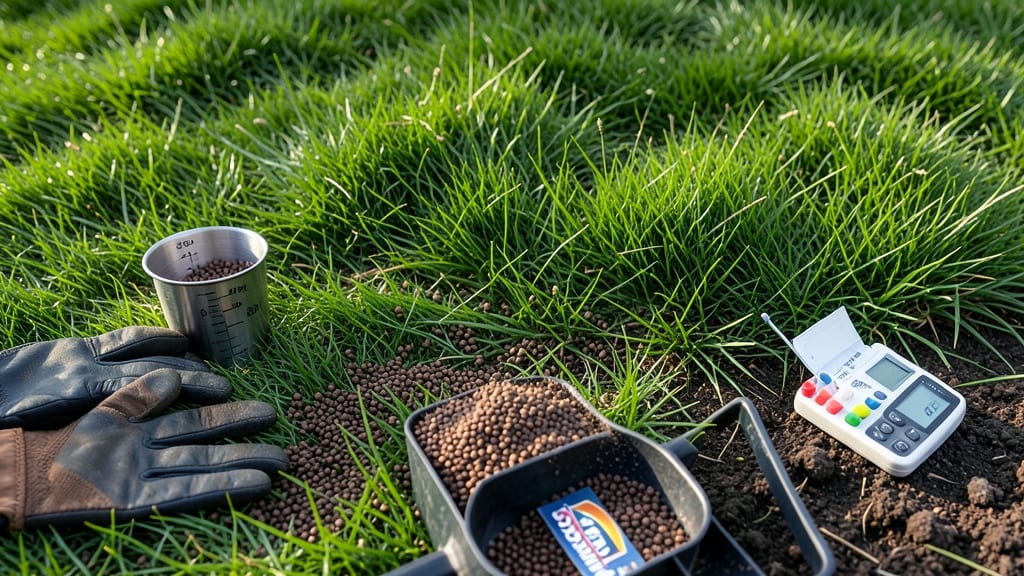
Spring fertilizing your lawn at the right time—when soil temperatures hit 45–55°F—is the game-changer between a green carpet and a patchy mess.
Timing your spring lawn fertilization perfectly can mean the difference between a lush, vibrant yard and one that struggles to bounce back from winter—soil temperature is the secret trigger most homeowners miss.
Too early, and you risk burning tender grass still recovering from dormancy. Too late, and you miss the 6-week window when roots are hungry for nitrogen after winter.
Here’s how to read your soil’s temperature cues, pick the right fertilizer, and avoid the 3 biggest mistakes that turn spring feeding into a waste of money.

Ideal soil temperature for spring lawn fertilization: what to watch
Spring lawn fertilization isn't just about the calendar—it's all about soil temperature. When the ground is too cold, grass roots stay dormant, and fertilizer simply wastes money.
But when it's just right, you'll see greener growth in weeks. The magic window? 45–55°F—this is when grass roots wake up and start absorbing nutrients.
Why does temperature matter so much? Cool-season grasses like Kentucky bluegrass and fescue need warmer soil to break dormancy, while warm-season grasses like Bermuda and Zoysia wait for even higher temps. Testing soil temperature ensures you don't fertilize too early (burning risk!) or too late (missed growth window).
Regional variations make this tricky. In Southern states, soil may hit 50°F by February, while Northern regions might not see ideal temps until late April. Always check local frost dates and historical soil warming patterns for your area.
Here's how to test soil temperature accurately—no guesswork needed:
| Method | How to Use | Best For |
|---|---|---|
| Soil Thermometer | Insert 4–6 inches deep, read at 9 AM | All regions, precise readings |
| Moon Bounce Test | Drop a coin on soil; if it bounces, temps are 50°F+ | Quick checks, no tools |
| Dandelion Test | Dandelions bloom = soil temps 55°F+ | Northern climates, natural indicator |
| Weather Apps | Check local soil temp forecasts | Urban areas, convenience |
Pro tip: Morning is the best time to test soil temperature—it's most accurate before the sun warms the surface. If your lawn is in partial shade, soil will stay cooler longer, so adjust your timeline accordingly.
Once you've confirmed the 45–55°F range, wait another 2–3 days before fertilizing. This gives roots time to fully activate. For cool-season grasses, this usually aligns with March–April in most of the U.S., while warm-season grasses should wait until late April–May.
Watch for these grass growth signs to confirm readiness: blades spring back when stepped on, weeds are sprouting, and morning dew disappears quickly. These are your cues that the soil is perfectly primed for fertilization.
One common mistake? Overlooking regional microclimates. A south-facing lawn warms faster than a north-facing one—test both areas separately. Similarly, low-lying spots stay cooler longer due to cold air pooling.
Remember, fertilizer burns are more likely when soil is cold but active. If you see yellow patches or crispy grass edges after applying, you fertilized too soon. The 45–55°F rule isn't just a guideline—it's your lawn's green light to grow.
For extra precision, keep a soil temperature journal for a few years. Note when your lawn hits the ideal range annually—this helps you predict perfect timing without daily testing. Happy growing! 🌱
Best fertilizer types for spring lawn revival: fast-release vs slow-release
Choosing the right fertilizer for your spring lawn depends on whether you want a quick burst of green or steady, long-term growth. Fast-release fertilizers deliver immediate results but require more frequent applications, while slow-release options provide sustained nourishment with less maintenance.
For cool-season grasses like fescue or ryegrass, timing matters most—apply fast-release in early spring when growth resumes, but switch to slow-release by late spring to avoid overfeeding.
Warm-season grasses like Bermuda or Zoysia thrive with slow-release fertilizers applied in late spring, as they need consistent nutrients as temperatures rise. Nitrogen content is critical: fast-release options often have 30-40% nitrogen, while slow-release typically ranges from 20-30% nitrogen with controlled release over 3-6 months.
My go-to for spring is a balanced 24-0-5 slow-release to avoid burning tender new growth.
Fast-Release Fertilizers
Pros:
- Immediate greening
- Ideal for early spring
- Quick nutrient boost
Cons:
- Requires frequent reapplication
- Risk of overfeeding
- Can burn grass if soil is dry
Slow-Release Fertilizers
Pros:
- Sustained growth
- Less frequent application
- Reduces runoff risks
Cons:
- Slower initial results
- Higher upfront cost
- Less flexible timing
For cool-season grasses, I recommend starting with a fast-release 25-0-5 fertilizer in early spring (March-April) when soil temps hit 45°F. Follow up with a slow-release 24-0-5 in late spring to support root development as temperatures climb.
Warm-season grasses, however, should skip the early fast-release step entirely—opt for a slow-release 16-4-8 applied in May when soil temps exceed 60°F.
Pro tip: Mix a half-and-half blend of fast and slow-release fertilizers for a balanced approach. This gives you the quick greening effect while extending nutrient availability. Always water thoroughly after application to activate slow-release granules and prevent burning.
My lawn looks best when I combine organic compost with synthetic slow-release fertilizers for a nutrient-rich, resilient turf.
Timing is everything—apply fast-release fertilizers in the morning when dew is present to minimize evaporation, and avoid fertilizing if rain is forecasted within 48 hours. For slow-release options, spread them evenly when the grass is dry and actively growing.
I’ve found that early morning applications followed by a light watering in the evening yield the best results without stressing the lawn.
Don’t forget to test your soil before fertilizing! A simple pH test will tell you if your lawn needs additional lime or sulfur to optimize nutrient uptake. Most home lawns thrive in a pH range of 6.0–7.0, so adjust your fertilizer blend accordingly.
With the right mix of fast and slow-release options, your spring lawn will bounce back stronger than ever.