
Lawn
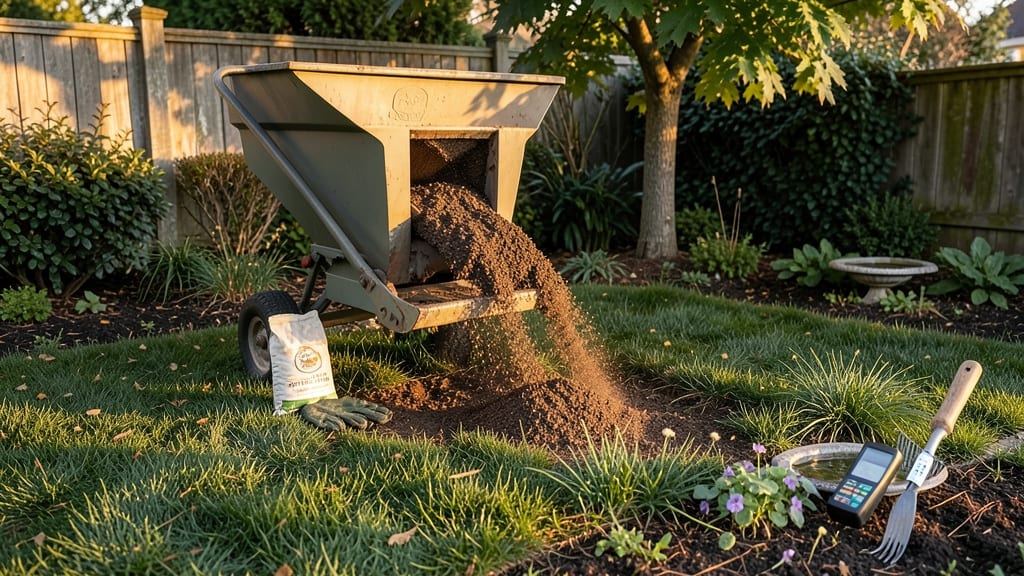
Fertilizing your Minnesota lawn at the right times ensures thick, vibrant grass that outlasts the state’s harsh winters and unpredictable springs.
Minnesota’s cold winters and unpredictable spring weather make timing your lawn fertilization critical—get it wrong, and you’ll waste money or stunt growth. But follow the right schedule, and your grass will stay lush, green, and resilient all season long.
In Minnesota’s USDA Zones 3-5, the best times to fertilize are early spring and fall, when soil temperatures are cool but active. A late April application jumpstarts growth after winter dormancy, while a September feed strengthens roots before frost.
Summer heat? That’s when you should lighten up to avoid burning your lawn.
Below, I’ll break down the exact months to fertilize, how to read your lawn’s health for the right timing, and the top mistakes Minnesotans make—and how to avoid them.
Minnesota’s ideal lawn fertilization schedule by season (spring & fall focus)
Minnesota’s cool-season climate demands precise timing for lawn fertilization—spring and fall are the golden windows when your grass absorbs nutrients most efficiently. Unlike warmer climates, winter dormancy means fertilizing too early or late can waste money or stress your lawn.
I’ll break down the exact month-by-month schedule, including soil temperature checks and how to adjust for Minnesota’s unpredictable frost dates.
For most of Minnesota (USDA Zones 3-5), the last frost date typically falls between May 10-20, while the first frost arrives around September 15. These dates dictate when to apply high-nitrogen fertilizers (like 24-0-5) versus slow-release options that prevent winter burn.
Let’s dive into the science behind why spring and fall fertilization work best for Minnesota lawns.
| Season | Best Time | Soil Temp | Fertilizer Type | Key Notes |
|---|---|---|---|---|
| Early Spring | Late April | 45°F+ | Slow-release (24-0-5) | Post-winter dormancy boost; avoid if frost risk |
| Late Spring | Mid-May | 55°F+ | Quick-release (high N) | Green-up phase; water thoroughly after |
| Summer | June-July | 65°F+ | Light organic (compost tea) | Maintenance only; avoid heat stress |
| Early Fall | Early September | 60°F+ | Slow-release (16-4-8) | Root strengthening; stop by Oct 1 |
| Late Fall | None | N/A | Winterizer (optional) | Only if soil temps drop below 50°F |
In early spring (late April), your lawn emerges from dormancy when soil temperatures hit 45°F+. This is when I apply a slow-release fertilizer (like Scotts Turf Builder) to kickstart growth without overwhelming the grass.
If frost is still a risk, wait until mid-May when soil temps consistently stay above 55°F. Pro tip: Use a soil thermometer—this small tool saves you from guessing and wasting fertilizer.
By mid-May, your lawn is actively growing, and this is the time for a quick-release nitrogen boost. I recommend a 24-0-5 ratio fertilizer to promote rapid green-up. Water immediately after application to help nutrients penetrate the soil.
For cool-season grasses like Kentucky Bluegrass or Fescue, this timing aligns perfectly with their natural growth cycle, preventing thatch buildup and encouraging deep root development.
Summer fertilization in Minnesota is tricky—June and July bring heat and drought risks. Instead of heavy fertilizers, I switch to organic options like compost tea or fish emulsion. These provide gentle nutrients without stressing the grass.
If you notice yellow patches or slow growth, a light application of iron supplements can help without overfeeding. Always water deeply after summer fertilizing to prevent leaf burn.
The fall fertilization window opens in early September when soil temps drop to 60°F. This is my favorite time to fertilize because the grass uses nutrients to strength
How to tell if your MN lawn needs fertilizer (and when to skip it)
Minnesota’s cool-season grasses like Kentucky bluegrass and fine fescue thrive when fertilized at the right time—but overdoing it can burn roots or pollute nearby waterways. Yellow patches, thin spots, or weed invasion are clear signs your lawn craves nutrients, while burnt grass or algae blooms mean you’ve over-fertilized.
The key is reading your lawn’s signals before reaching for the fertilizer bag.
Start by checking for slow growth or pale color in spring or fall, the ideal fertilization windows. If your grass feels spongy underfoot or weeds like dandelions dominate, it’s likely nutrient-deficient.
But if you see dark green streaks or crunchy blades after watering, you’ve likely overdone nitrogen. Always test your soil first—Minnesota’s clay-heavy soils often need organic matter before synthetic fertilizers.
When to Fertilize Your MN Lawn
✅ Fertilize When...
- 🌱 Grass is pale or thin in spots
- 🌱 Weeds outnumber grass (70/30 ratio)
- 🌱 Soil test shows low phosphorus (<50 ppm)
- 🌱 Spring (April-May) or fall (Sept) temps are 50-75°F
❌ Skip Fertilizing When...
- 🚫 Grass is burnt or crunchy after mowing
- 🚫 Algae blooms appear in shady areas
- 🚫 Soil test shows high nitrogen (>100 ppm)
- 🚫 Temps exceed 85°F or below 40°F
Pro Tip: Use compost tea or fish emulsion for organic nutrient boosts in nutrient-poor MN soils.
For nutrient-poor lawns, consider organic alternatives like composted manure or bone meal before synthetic fertilizers. These add slow-release nutrients while improving soil structure. Always water deeply after applying fertilizer—Minnesota’s clay soils need help absorbing moisture to prevent runoff.
Timing matters too: Early spring (April) kickstarts growth after winter dormancy, while late fall (September) strengthens roots before frost. Avoid fertilizing in summer heat—grass burns easily when stressed. If your lawn looks uniformly green with no weeds, it’s likely fine without extra nutrients this season.
Before applying anything, grab a soil test kit (available at U of M Extension offices) to check pH and nutrient levels. Most MN lawns need lime to raise pH (ideal: 6.0–7.0) before fertilizing.
If your soil tests high in nutrients but your grass still struggles, the issue might be compacted soil or poor drainage—aerate first!
Remember: Less is often more in Minnesota’s climate. A light feeding every 6–8 weeks during growing season keeps grass healthy without wasting resources. Skip winter fertilization entirely—grass won’t absorb nutrients when dormant, and you’ll risk winter burn or early spring weeds.