
Fertilization
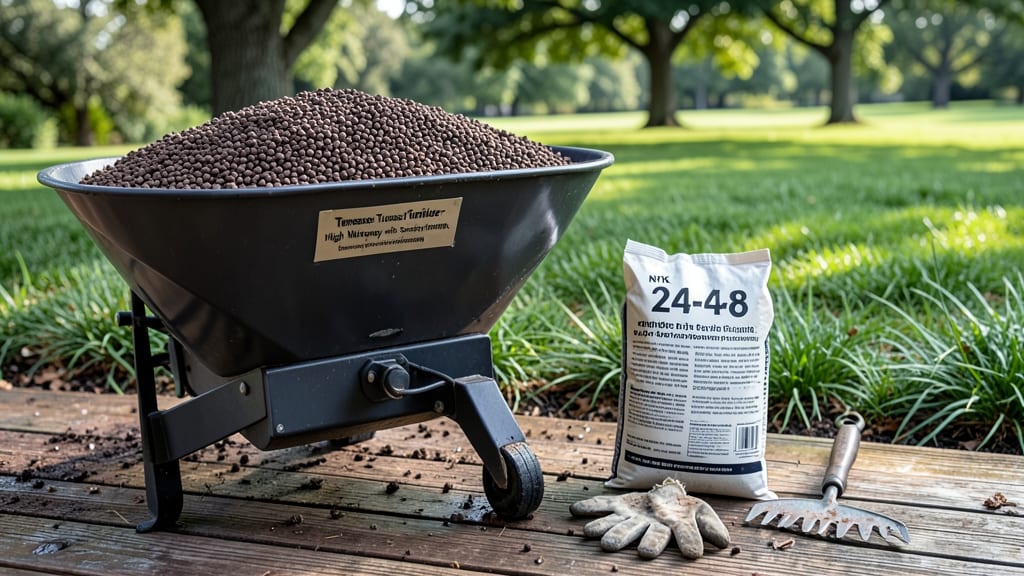
Tennessee lawn fertilization schedule by season: best months for cool vs warm season grasses
Tennessee’s humid subtropical climate creates unique challenges for lawn care. Cool-season grasses like tall fescue and Kentucky bluegrass thrive in spring and fall, while warm-season varieties like Bermuda and zoysia peak in summer. Getting the timing right means healthier grass and fewer wasted dollars on fertilizer that won’t stick.
Most homeowners make the mistake of fertilizing at the wrong time of year, often during peak summer heat or winter dormancy. In Tennessee, this can burn your grass or encourage weak growth.
Instead, focus on early spring and late fall for cool-season grasses, and late spring through summer for warm-season types. Let’s break it down by month so you can keep your lawn lush year-round.
🌱 Pro Tip: Always test your soil first! Tennessee’s clay-heavy soils in the east and sandy loams in the west can drastically change how your lawn responds to fertilizer. A simple DIY soil test kit (available at local nurseries) costs under $20 and saves you from over-fertilizing.
| Month | Cool-Season Grasses (Tall Fescue, Kentucky Bluegrass) | Warm-Season Grasses (Bermuda, Zoysia) | Key Notes for Tennessee |
|---|---|---|---|
| January | Dormant - No Fertilizer | Dormant - No Fertilizer | Grass is dormant; focus on light raking to remove debris. |
| February | Dormant - No Fertilizer | Dormant - No Fertilizer | Wait for soil temps to rise above 55°F before any spring prep. |
| March | Light Application (0.5 lb N/1000 sq ft) | Pre-Emergent for Weeds (if needed) | Cool-season grasses wake up; avoid heavy nitrogen until after last frost. |
| April | Full Feed (1 lb N/1000 sq ft) | Light Starter Fertilizer (0.25 lb N/1000 sq ft) | Ideal time for cool-season grasses; warm-season grasses start slow. |
| May | Light Feed (0.5 lb N/1000 sq ft) | Full Feed (0.5 lb N/1000 sq ft) | Transition month; water deeply after fertilizing to prevent burn. |
| June | Light Feed (0.25 lb N/1000 sq ft) | Full Feed (0.5 lb N/1000 sq ft) | Warm-season grasses peak; cool-season grasses go dormant in heat. |
| July | No Fertilizer (Dormant) | Light Feed (0.25 lb N/1000 sq ft) | Avoid fertilizing during drought conditions; focus on irrigation. |
| August | No Fertilizer (Dormant) |
Signs your Tennessee lawn needs fertilizer (and when to skip it)Your Tennessee lawn acts like a living barometer—when it’s struggling, it’s often screaming for nutrients. Yellowing patches, sparse growth, or weeds taking over are classic signs your grass is nutrient-deficient. But before grabbing that fertilizer bag, let’s decode what your lawn is really telling you. Cool-season grasses like Kentucky bluegrass and tall fescue (common in TN) thrive with spring and fall feedings, while warm-season grasses like Bermuda or zoysia need summer boosts. Misreading these cues can lead to over-fertilization, which burns roots or pollutes local waterways. ⚠️ callout warning ⚠️
⚠️ WARNING: Fertilizer Timing Mistakes in TN
Start by checking for pale or straw-colored grass, which signals nitrogen deficiency. If your lawn feels sponge-like when walked on (a sign of thatch buildup), it’s starving for organic matter. Weeds like crabgrass also thrive where grass is weak—another red flag. Conversely, dark green but slow-growing grass might need phosphorus or potassium, not nitrogen. And if your lawn has mushroom clusters, it’s overwatered—not under-fertilized. Always water deeply after fertilizing to help nutrients reach roots. For cool-season grasses, fertilize in early spring (March-April) and late fall (October). Warm-season grasses need May-June and August feedings. Slow-release fertilizers (like Milorganite) are ideal for TN’s humidity—they feed grass steadily without burning. Remember: A healthy Tennessee lawn isn’t just about color—it’s about root strength. If your grass recovers quickly after mowing or resists pests, it’s well-fed naturally. Only intervene when you see clear deficiencies, not on a schedule. 🌱 |