
Fertilization
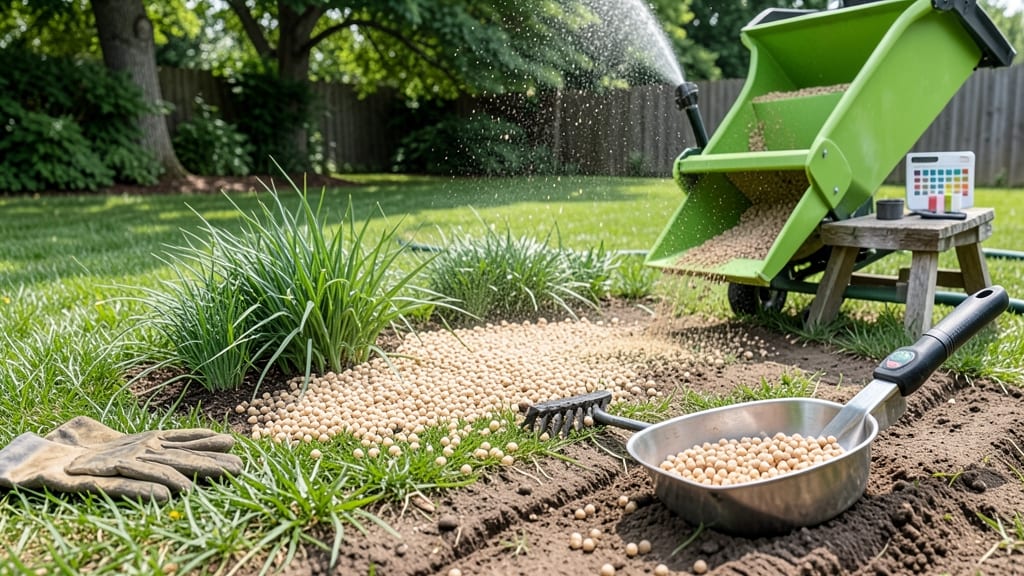
Fertilizing a new lawn at the right time is the difference between lush, deep roots and a patchy, struggling carpet of grass.
A newly seeded lawn needs precise timing for fertilization to avoid burning delicate grass roots while maximizing growth—but most homeowners get this critical step wrong.
Too early, and you risk stunting young 🌱 lawn grass before it can establish itself. Too late, and you miss the window for strong root development before summer heat or winter dormancy sets in.
Below, I break down the exact seasonal schedule for fertilizing new grass, including when to start, how often to feed, and what to avoid—so you can skip the guesswork and get a lawn that thrives from day one.
Best fertilization schedule for new lawns by season (with growth stages)
Timing your new lawn fertilization correctly is the difference between a lush, vibrant yard and one that struggles to establish. Most gardeners make the mistake of fertilizing too early or too late, which can burn tender grass seedlings or fail to support root development.
The key lies in understanding your grass type—whether it's cool-season or warm-season—and aligning fertilization with its natural growth phases.
For cool-season grasses like Kentucky bluegrass or fescue, the best time to fertilize is in early spring and fall, while warm-season grasses such as Bermuda or Zoysia thrive with fertilization in late spring and summer.
Each growth stage—from seed germination to root establishment—requires a tailored approach to avoid overloading young plants with nutrients they can't yet use.
Here’s a breakdown of the optimal fertilization schedule by season, including critical windows for each growth phase to ensure your lawn gets the nutrients it needs without risking damage.
| Season | Growth Stage | Grass Type | Fertilizer Type | Timing Window | Key Notes |
|---|---|---|---|---|---|
| Early Spring | Seed Germination | Cool-Season | Starter Fertilizer (Low N) | 4-6 weeks after seeding | Use half-strength starter fertilizer to avoid burning. |
| Late Spring | Root Establishment | Cool-Season | Balanced (16-4-8) | 6-8 weeks after seeding | Focus on root development before top growth. |
| Early Summer | Active Growth | Warm-Season | High Nitrogen (30-0-4) | After soil temps reach 65°F | Apply when grass shows active growth signs. |
| Early Fall | Root Hardening | Cool-Season | Slow-Release (Organic) | 6-8 weeks before frost | Strengthens roots for winter survival. |
| Late Summer | Recovery | Warm-Season | Balanced (10-10-10) | After summer stress | Helps grass recover from heat. |
| Winter | Dormancy | All Types | None | Avoid fertilizing | Grass is dormant; nutrients won’t be used. |
In early spring, cool-season grasses like
3 Critical signs your new lawn needs fertilizer (and when to avoid it)
Your new lawn is like a baby—it needs the right nutrients at the right time to thrive, but too much too soon can burn those delicate roots. I’ve seen homeowners rush to fertilize right after seeding, only to end up with patchy, struggling grass.
The key is knowing when to feed and how to spot the signs that your lawn is actually asking for nutrients.
Fertilizer timing isn’t just about throwing down granules—it’s about matching your grass’s growth stage. For example, cool-season grasses like Kentucky bluegrass need their first feed 4-6 weeks after seeding, while warm-season grasses like Bermuda grass should wait until they’ve established roots, usually 8-12 weeks in.
But how do you know if your lawn really needs fertilizer—or if you’re overdoing it?
- 1 Pale or Yellowing Grass: If your lawn looks more greenish-yellow than vibrant green, it’s starving for nitrogen. This is the #1 sign it’s time to fertilize—but wait until roots are 3-4 inches deep (test by pulling a small clump).
- 2 Slow Growth or Thin Patches: Grass growing at a snail’s pace or leaving bare spots? This means your soil lacks nutrients. For new lawns, wait until germination is complete (usually 3-4 weeks) before applying a low-nitrogen starter fertilizer (10-0-10 ratio).
- 3 Weeds Taking Over: If weeds like crabgrass or dandelions are thriving while your grass struggles, your lawn is nutrient-deficient. Feed with a balanced fertilizer (16-4-8) in early spring or fall—never mid-summer when heat stresses young roots.
⚠️ When to AVOID Fertilizing:
- 🌱 First 2-3 weeks after seeding—roots are too fragile.
- ☀️ During drought or extreme heat—grass can’t absorb nutrients.
- ❄️ Winter months—grass is dormant and won’t use fertilizer.
One mistake I see often is using too much nitrogen too soon. A half-rate application (like 0.5 lbs per 100 sqft) is safer for new lawns than a full dose. And always water deeply after fertilizing to help nutrients reach the roots—without over-saturating the soil.
Pro tip: If your lawn is less than 3 months old, skip the fertilizer and focus on consistent watering and light mowing (never cutting more than 1/3 of the blade). Healthy roots = a lawn that’ll thrive without heavy feeding later.
Remember, a new lawn’s first year is about building strength, not just looks. Wait for those 3 critical signs, and you’ll avoid the most common mistakes—like fertilizer burn or uneven growth—that turn a lush dream into a patchy disappointment. 🌱