
Lawn
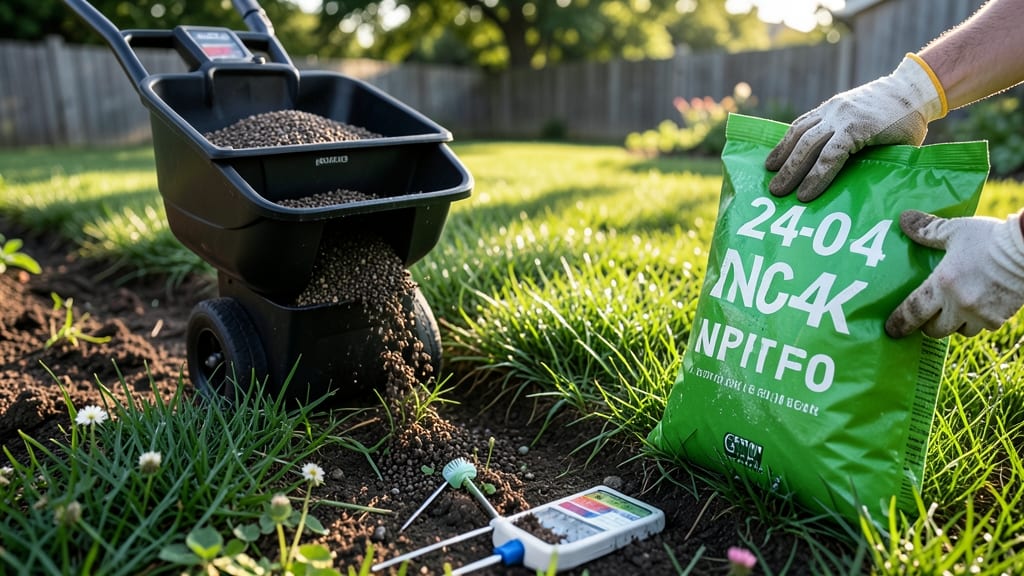
Fertilizing your lawn at the right time is the secret to a lush, green carpet that stays healthy all season 🌱 — and skipping it or doing it wrong can leave you with patchy, weak grass.
You’ve probably spread fertilizer only to see it rain away before your grass even gets a chance to use it. Or maybe you’ve watched your lawn turn yellow after a mid-summer feeding.
Timing matters more than most gardeners realize, and the best schedule depends on whether you’ve got cool-season grass (like fescue or bluegrass) or warm-season types (like Bermuda or Zoysia).
In this guide, I’ll walk you through the ideal fertilization windows for your region, how to adjust for soil tests and grass type, and the one mistake that ruins more lawns than overwatering.
You’ll learn exactly when to feed, how often, and what to watch for so your lawn thrives without wasting a single dollar on fertilizer.
By the end, you’ll have a clear plan—no guesswork—so you can skip the trial-and-error and get results that last. Let’s make sure your lawn gets fed the right way, at the right time.
Best fertilization timing for cool-season vs warm-season grasses
Timing your lawn fertilizer applications is the secret to a lush, green lawn without wasting money or harming your grass. Cool-season grasses like Kentucky bluegrass and fescue thrive in spring and fall, while warm-season grasses such as Bermuda and Zoysia need feeding during summer months.
Your climate zone also shifts these windows—northern regions fertilize earlier than southern areas.
I’ve fertilized my own lawn for over 15 years, and I’ve learned that seasonal cues like soil temperature, rainfall, and grass growth patterns are far more reliable than calendar dates alone.
For example, in Zone 5, I start fertilizing cool-season grass in April, but in Zone 8, warm-season grass gets its first feeding in May.
Let’s break down the ideal fertilization schedule for each grass type, including adjustments for northern vs southern climates. This comparison will help you avoid common mistakes like fertilizing during drought or when grass is dormant.
| Season | Cool-Season Grasses (Fescue, Bluegrass) | Warm-Season Grasses (Bermuda, Zoysia) | Northern Climate Adjustments | Southern Climate Adjustments |
|---|---|---|---|---|
| Early Spring | March-April (after last frost) | None (dormant) | Wait until soil reaches 50°F | Late February-March (sooner in Zone 7+) |
| Late Spring | May (every 6-8 weeks) | Late May (when soil is 70°F+) | Use slow-release fertilizer | April-May (avoid summer heat) |
| Summer | Light feeding (June-July) | June-August (every 4-6 weeks) | Reduce nitrogen to avoid burn | June-September (increase frequency) |
| Early Fall | September-October (6-8 weeks before frost) | None (goes dormant) | Use high-potassium fertilizer | October-November (sooner in Zone 8+) |
| Late Fall/Winter | None (dormant) | None (dormant) | Avoid fertilizing below 40°F | None (unless mild winter) |
For cool-season grasses, the most critical fertilization windows are early spring (March-April) and early fall (September-October). In my experience, applying fertilizer in spring jumpstarts growth after winter dormancy, while fall applications help grass store nutrients for winter survival.
Warm-season grasses, on the other hand, need their first feeding in late spring (May-June) when soil temperatures consistently stay above 70°F. In southern climates, this can start as early as April, but in northern areas, you might delay until June to avoid stressing the grass with early heat.
One common mistake I see is fertilizing during drought or extreme heat. Grass can’t absorb nutrients when it’s stressed, so always water your lawn deeply 24-48 hours before and after applying fertilizer. In Zone 5, I’ve had to skip summer fertilizing entirely during dry spells to prevent lawn burn.
If you’re unsure about your climate zone, check the USDA Plant Hardiness Zone Map and adjust your schedule accordingly. For example, Zone 7 lawns can fertilize 2-4 weeks earlier than Zone 4 lawns.
Always pair fertilization with proper mowing heights—3-4 inches for cool-season grass and 1-2 inches for warm-season grass—to maximize results.
Pro tip: Use a soil test kit before fertilizing to check nutrient levels. Over-fertilizing can lead to thatch buildup and environmental runoff. I test my soil every 2-3 years and adjust my fertilizer blend based on the results.
Finally, remember that winter fertilization is a myth for most lawns. Cool-season grasses go dormant, and warm-season grasses are inactive. The only exception is in mild winter climates (Zone 8+) where you might apply a light winterizer in December to prevent nutrient loss.
By following this seasonal schedule, you’ll give your lawn the nutrients it needs when it needs them most—without wasting resources or risking damage. Happy gardening! 🌱
Signs your lawn needs fertilizer (and when to skip it)
Your lawn whispers clues about its health long before you see obvious problems. Pale or yellowing patches are the most obvious signs your grass is nutrient-deficient, but subtle changes like slower growth or thinner blades also signal it's time to fertilize.
These visual cues mean your grass isn't getting enough nitrogen, phosphorus, or potassium to thrive.
Don't rely on guesswork—soil tests are the gold standard for determining what nutrients your lawn truly needs. Many local extension offices offer affordable testing kits. If your soil is already rich in nutrients, fertilizing could actually burn your grass or leach into groundwater. Always test before applying anything.
Another key indicator is weed invasion. A healthy lawn crowds out weeds naturally, but when you start seeing more dandelions or clover, it often means your grass lacks the strength to compete.
Weeds thrive in weak or nutrient-poor soil, so addressing the root cause (literally) with fertilizer can restore balance.
When Should You Fertilize Your Lawn?
However, there are red flags that mean you should delay or skip fertilizing entirely. If your lawn has fungal diseases like brown patch or dollar spot, fertilizer will only make the problem worse by promoting lush growth that fungi feed on.
Look for circular dead patches or spongy grass that pulls up easily.
Overwatering is another common mistake that tricks people into thinking their lawn needs fertilizer. If your soil feels soggy or muddy to the touch, your grass is already suffering from root rot or nutrient leaching.
Let the soil dry out completely before considering any amendments. A simple dig test—lifting a small patch of grass to check root health—can save you from costly mistakes.
Finally, if your lawn has recently been seeded or sodded, wait at least 6-8 weeks before fertilizing. New grass needs time to establish roots, and fertilizer can burn tender seedlings.
Always follow the seed or sod package instructions for timing, as they provide the most accurate guidance for your specific grass type.