
Lawn
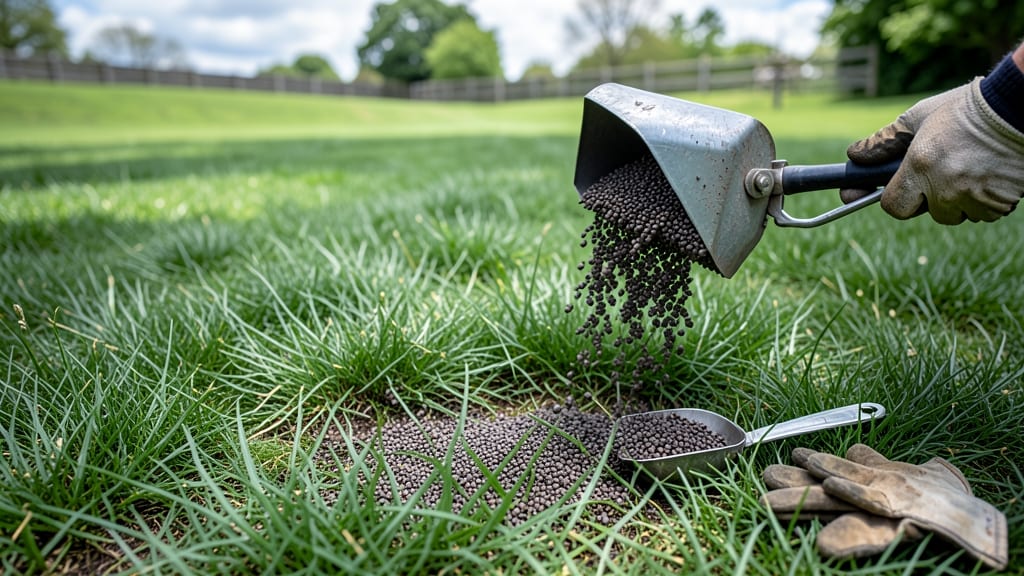
The best time to fertilize lawn is during early spring (late March to May) and fall (September to November) for most grass types, as these periods align with natural growth cycles and help build cold resistance. Warm-season grasses benefit from summer fertilization, while cool-season varieties thrive with early spring and fall applications.
The timing of lawn fertilization isn't just about when—it's about how your grass grows. Cool-season grasses like fescue and bluegrass grow best in cooler months, so late spring and fall feedings boost their root systems before winter.
Warm-season grasses like Bermuda and Zoysia, on the other hand, need nutrients when temperatures rise, typically from late spring through summer. 🌱 This isn't just theory: I've seen lawns transform when fertilized at the right moment, with deeper roots and greener blades year-round.
Your local climate plays a huge role too. Northern regions might shift fertilization to early spring and fall, while Southern areas can extend summer feeding. High-altitude lawns often need adjustments—cooler temps mean slower nutrient absorption. Always check your grass type and adjust timing to match its natural rhythm.
💡 In This Article
- Seasonal Fertilization Timing for Cool vs Warm-Season Grasses
- Climate Zone Fertilizer Application Calendar
Seasonal fertilization timing for cool vs warm-season grasses
Cool-season grasses like Kentucky bluegrass and fescue thrive when temperatures dip below 80°F because their growth cycle is tied to cooler weather. These grasses enter dormancy in summer heat, but their roots remain active—making early spring (late March to May) the perfect time to fertilize.
This jumpstarts growth after winter dormancy, while fall applications (September to November) strengthen roots before cold sets in. The key here is daylight: shorter days trigger these grasses to focus on root development rather than blade growth, creating a deeper, more resilient turf.
Warm-season grasses such as Bermuda and Zoysia, however, follow a different rhythm. They need warmth to activate—typically when soil temperatures reach 60-65°F—which usually happens in late spring to early summer. Fertilizing at this stage fuels rapid top growth, helping them outcompete weeds.
What’s fascinating is how these grasses handle dormancy: when temperatures drop below 50°F, they shut down growth but store nutrients underground. This is why late summer (August) is a critical window for warm-season grasses to absorb nutrients that will sustain them through winter.
The science behind this lies in chlorophyll production. Cool-season grasses produce more chlorophyll in cooler temps, while warm-season types rely on warm conditions to activate their metabolic processes.
For example, a 10-0-10 fertilizer (high nitrogen) applied in spring to cool-season grass boosts blade growth, but the same fertilizer in summer for warm-season grass risks burning the lawn because the grass can’t process nitrogen as efficiently in heat.
Timing isn’t just about when—it’s about matching the fertilizer’s nutrient release rate to the grass’s biological clock.
Here’s a practical tip: If you have a mix of grass types, prioritize fertilizing based on their growth cycles.
For instance, overseeding a cool-season lawn with ryegrass in fall means you’ll need to adjust your fertilizer schedule to support both the existing turf and the new seedlings. 🌱 The overlap in growth periods can create competition for nutrients, so split applications often work best.
Always check your grass type—misjudging can lead to weak growth or even lawn damage.
Climate also tweaks these timelines. In the Northern U.S., where winters are harsh, a third feeding in late fall (around October) helps cool-season grasses store carbohydrates for winter survival. Meanwhile, in Southern climates, warm-season grasses might need a light feeding in early fall to prepare for cooler months.
The rule of thumb? Follow your grass’s natural growth curve, not just the calendar.
What most people overlook is how soil temperature affects nutrient uptake. A soil thermometer is your best friend—cool-season grasses need soil temps between 50-70°F for optimal absorption, while warm-season types prefer 70-85°F.
Applying fertilizer when the soil is too cold or too hot means wasted nutrients and potential runoff, which harms local waterways. Test your soil’s temperature before fertilizing to ensure you’re giving your lawn the best chance to thrive.