
Lawn
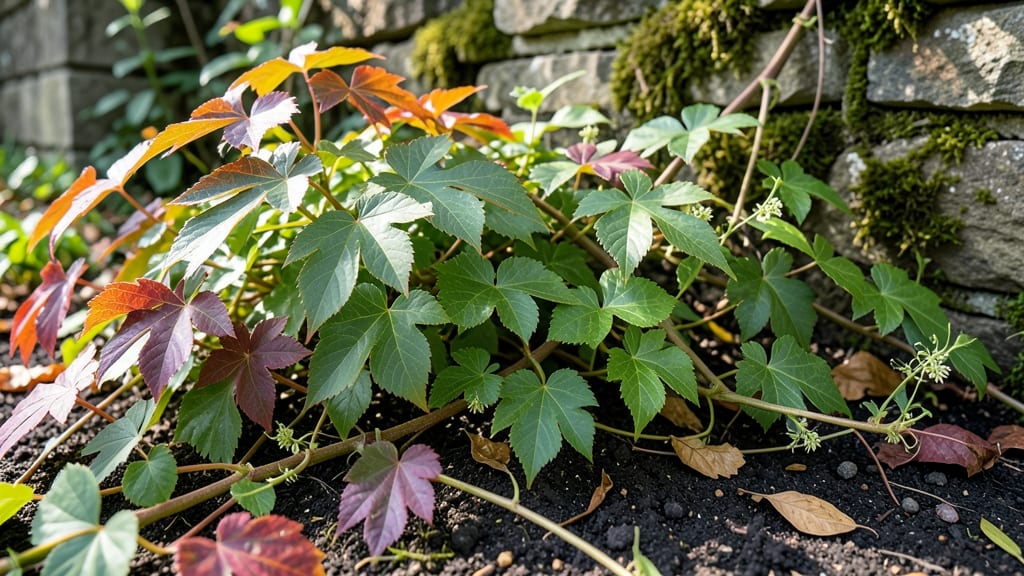
Managing Virginia creeper 🍃 that’s overtaking your lawn requires a smart strategy—this tough vine can strangle grass roots and leave bare patches if you don’t act fast.
Picture this: You’ve spent hours mowing, edging, and fertilizing, only to watch those glossy Virginia creeper leaves creep closer each year. The problem? It spreads through both seeds and underground runners, making it harder to remove than weeds like dandelions.
Here’s the good news: You don’t need harsh chemicals to win. With the right techniques—like targeted cutting, smothering, or organic herbicides—you can clear it out without harming your grass or breaking the bank.
In this guide, I’ll walk you through three proven methods to remove Virginia creeper, plus long-term tips to keep it from staging a comeback. Let’s get your lawn back to looking lush and healthy!
Why Virginia creeper spreads so fast in lawns (and how to stop it)
If you’ve ever looked out at your lawn and felt like Virginia creeper 🍃 is staging a hostile takeover, you’re not alone. This vine spreads faster than most weeds because of its aggressive growth habits and deep root system.
Understanding why it thrives in grassy areas is the first step to reclaiming your yard.
Virginia creeper grows up to 30-40 feet in ideal conditions, but its real advantage is its ability to spread horizontally through underground rhizomes. These thick, woody roots can stretch 10-20 feet from the main plant, creating new growth points that traditional lawn mowing simply can’t stop.
Most homeowners make the mistake of trying to mow over Virginia creeper, which actually encourages it to spread. Unlike grass, this vine doesn’t respond to regular cutting—it just grows thicker and more aggressive. Even herbicides can fail if not applied correctly, leaving stubborn patches behind.
Here’s why Virginia creeper dominates lawns: its rapid vertical growth shades out grass, while its underground rhizomes create new plants without seeds. This dual strategy makes it nearly impossible to control with standard lawn care methods.
| Growth Factor | Why It Spreads Fast | Lawn Impact |
|---|---|---|
| Rhizome System | Underground stems grow 10-20 ft from parent plant | Creates new plants without seeds |
| Vertical Growth | Climbs 30-40 ft annually in ideal conditions | Shades out grass completely |
| Seed Production | Produces 1,000+ seeds per plant | New infestations spread via wind |
| Root Depth | Roots penetrate 5-6 ft deep | Survives drought and mowing |
| Growth Speed | Grows 3-6 ft per year horizontally | Outcompetes grass for nutrients |
The science behind Virginia creeper’s invasiveness lies in its ability to photosynthesize efficiently even in low light. While your lawn grass struggles in shaded areas, this vine thrives, creating dense mats that smother turf. Its deep taproots also access water and nutrients that grass can’t reach.
Traditional lawn care methods like fertilizing or overwatering actually make the problem worse. Virginia creeper responds to extra nutrients by growing even faster, while grass weakens from competition. The result? A lawn that looks more like a jungle than a manicured yard.
Most homeowners fail because they treat Virginia creeper like a weed rather than a perennial vine. Unlike annual weeds, this plant returns every year from its deep roots. That’s why spot treatments rarely work—you need a systematic approach to starve the rhizomes and prevent regrowth.
One common mistake is assuming that mowing alone will control it. Cutting the vines actually stimulates new growth from the roots. The only way to slow its spread is to remove the entire rhizome network, which requires digging or smothering techniques we’ll cover next.
If your lawn has partial shade, Virginia creeper will spread even faster. This vine tolerates full sun to deep shade, while most grass varieties struggle in low-light conditions. That’s why shaded areas often become hotspots for infestations.
The good news? With the right strategy, you can outsmart Virginia creeper. The key is targeting its rhizomes while protecting your grass. We’ll show you how in the next section—starting with chemical-free removal methods that actually work.
3 Chemical-free methods to remove Virginia creeper without killing grass
Virginia creeper 🍃 can transform your lawn into an unruly jungle if left unchecked. The good news? You can eliminate it without harsh chemicals that may harm your grass. These three chemical-free methods—manual removal, smothering, and targeted vinegar applications—work effectively while keeping your lawn healthy and thriving.
Start by identifying the root system of Virginia creeper, which spreads aggressively through underground rhizomes. Pulling vines alone won’t stop regrowth, so focus on eliminating roots while protecting your grass. Each method below targets the vine’s weaknesses without damaging your lawn’s ecosystem.
📋 Step-by-Step Removal Guide
- Method 1: Manual Removal
- Cut vines at the base with pruning shears or a sharp shovel.
- Dig out rhizomes (underground roots) with a garden fork—aim for 6-12 inches deep.
- Remove all debris and compost or bag it to prevent regrowth.
- Method 2: Smothering
- Cover infested areas with cardboard or thick mulch (at least 4-6 inches).
- Keep the layer moist for 3-6 months to block sunlight and kill roots.
- After smothering, reseeding grass in the treated area.
- Method 3: Targeted Vinegar Spray
- Mix 1 gallon vinegar with 1 oz dish soap for adhesion.
- Spray directly on vines (avoid grass) on a sunny day.
- Reapply every 3-5 days until vines wilt and die.
For manual removal, timing matters—target early spring when Virginia creeper is actively growing. Use a garden fork to loosen soil and extract rhizomes without tearing grass roots. This method is labor-intensive but 100% chemical-free and safe for pets and kids.
If you prefer a low-maintenance approach, smothering works best in shaded areas where grass struggles to regrow. Lay down black plastic or thick mulch and leave it for at least 6 months to suffocate the vine’s roots completely. Just remember to water regularly to keep the layer damp.
For spot treatment, a vinegar solution is a budget-friendly alternative to commercial herbicides. The key is precision application—spray only the vines, not your grass. Test a small area first to ensure your lawn tolerates the acidity. Reapply as needed until the vine is gone.
After removal, reseeding bare spots with a dense grass variety like fescue or ryegrass prevents Virginia creeper from returning. Add a pre-emergent herbicide (like corn gluten meal) in early spring to block new growth.
With patience and persistence, your lawn can reclaim its lush, creeper-free appearance—naturally and safely. 🌱