
Lawn
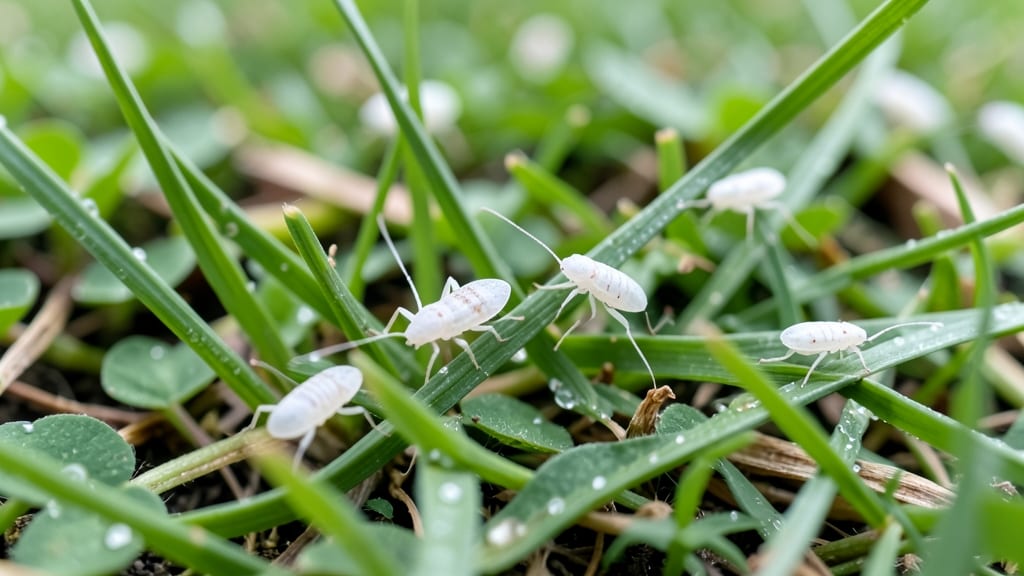
Those tiny white bugs swarming your lawn this spring aren’t just annoying—they’re a sign your yard’s ecosystem is out of balance. 🌱 I’ve battled them for years, and the key to fast elimination is understanding what they are (springtails, fungus gnats, or flea beetles) and why they’re thriving now.
Most people reach for harsh chemicals first, but the real fix starts with simple soil and moisture adjustments that work in days, not weeks.
The problem usually boils down to two things: overwatered grass and compacted soil. These bugs love damp, thatchy lawns where their larvae can feast on decaying organic matter. I’ve seen lawns go from crawling with them to bug-free in under a week just by adjusting watering schedules and aerating.
The secret? Mimic nature—let the top inch of soil dry between waterings and improve drainage so roots stay healthy without inviting pests.
You’ll start seeing results almost immediately after your first treatment, whether it’s beneficial nematodes (natural predators) or a simple diatomaceous earth sprinkle. The lawn recovers faster than you’d expect, and the bugs disappear without harming your grass.
The best part? These methods keep working season after season, so you won’t be fighting the same battle next spring.
For stubborn infestations or when bugs keep coming back, there’s no shame in calling a pro—especially if you’ve tried everything and the lawn still looks stressed. But in most cases, these simple steps get rid of them fast and keep your yard thriving without harsh chemicals.
Let’s get your lawn back to its best in no time.
The Hidden Triggers Behind Lawn Invaders
Those pesky tiny white bugs crawling across your lawn aren’t just random visitors—they’re responding to specific conditions that make your yard an all-you-can-eat buffet. Understanding the why behind their arrival is the first step to kicking them out for good.
Let’s break down the science and scenarios that turn your grass into their favorite hangout spot.
Too much moisture is like a neon sign for tiny pests. When your lawn stays soggy—whether from overwatering, poor drainage, or spring rains—it creates the perfect breeding ground for fungus gnats and springtails. These bugs thrive in damp, organic-rich soil because:
- Decaying matter (like thatch or dead grass) becomes a food source for their larvae.
- High humidity keeps their eggs from drying out, leading to rapid reproduction.
- Weakened grass roots (from waterlogging) make it easier for them to burrow and feed.
Pro tip: 💡 Test your soil’s moisture by grabbing a handful—if it stays clumped in your fist, you’re overdoing it. Aim for 1 inch of water per week (including rain) and improve drainage with sand or aeration.
A thick layer of thatch (the spongy mix of dead grass, roots, and debris between soil and green blades) is like a five-star resort for tiny white bugs. Why? Because:
- It traps moisture, creating a humid microclimate they love.
- It provides shelter from predators (like birds or beetles) and drying conditions.
- Decomposing organic matter feeds their larvae, fueling their population explosion.
Action step: 🔥 If your thatch layer is over ½ inch thick, dethatch in early spring using a rake or vertical mower. This exposes pests to sunlight and predators while improving air and water flow to the roots.
Leaves, clippings, and other yard waste aren’t just eyesores—they’re insect condos. When organic debris piles up:
- It decomposes quickly, releasing heat and moisture that attract fungus gnats and pill bugs.
- It blocks sunlight from reaching the soil, keeping it cool and damp—ideal for egg-laying.
- It disrupts natural predators (like ground beetles) that would otherwise keep bug populations in check.
Quick fix: ✨ Rake up debris weekly during spring and fall. Compost it away from the lawn or use it as mulch in garden beds to starve out pests.
Tiny white bugs like springtails and sow bugs are cold-blooded—meaning they’re most active when soil temperatures hover between 50°F and 70°F. Here’s how warmth triggers their takeover:
- Faster metabolism: Warmer soil = quicker egg hatching and larval growth.
- Increased moisture retention: Heat slows evaporation, keeping soil damp longer.
- Weaker grass defense: Cool-season grasses (like fescue) grow slowly in early spring, making them easier targets.
Counterattack: 🌡️ Monitor soil temps with a soil thermometer. If it’s consistently warm, reduce watering and apply a light nitrogen fertilizer to encourage faster grass growth and outcompete pests.
Digging, aerating, or even heavy foot traffic can disrupt the soil ecosystem, flushing out natural predators (like nematodes) and exposing eggs to the surface. When you:
- Over-aerate or till too aggressively, you create air pockets that help pests move deeper into the lawn.
- Use heavy machinery, you compact soil in other areas, trapping moisture and heat.
- Plant new grass seed, you uncover hidden eggs in the topsoil, giving bugs a head start.
Smart move: 🎯 If you must aerate, do it in fall or early spring (when pests are less active). Avoid tilling—opt for core aeration instead to minimize soil disruption.
Quick Fixes for Lawn Pests
If you’ve spotted tiny white bugs scurrying across your lawn, don’t panic—there are practical, effective ways to tackle them fast. The solution depends on the culprit (springtails, fungus gnats, or ants), but the key is acting early.
Below, we break down how to solve the problem for each common pest, plus prevention tips to keep your lawn healthy long-term.
Before grabbing pesticides, confirm what you’re dealing with. Tiny white bugs in lawns are often:
- Springtails (soft-bodied, jumpy, thrive in damp soil)
- Fungus gnats (delicate, winged, love moist grass)
- Ants (tiny workers, often near mounds or trails)
Pro Tip: 💡 Check for clues—springtails leave no damage, fungus gnats cause yellow patches, and ants may have trails or mounds.
👨🍳 Fixing springtail overloads
Springtails are harmless but annoying, especially after rain. They thrive in moist, organic-rich soil, so drying out the lawn is your best defense.
- 🔥 Reduce Moisture
- Water deeply 2–3 times per week (early morning) instead of daily light sprinkles.
- Improve drainage by aerating compacted soil in fall.
- 🍳 Adjust Soil pH
- Springtails love acidic soil. Test your lawn’s pH (ideal: 6.0–7.0).
- Apply lime if soil is too acidic (follow package rates).
- 🌡️ Natural Deterrents
- Sprinkle diatomaceous earth (food-grade) lightly over the lawn—it dehydrates them.
- Use cornmeal (1 cup per 10 sq ft) as a food source for beneficial nematodes.
✨ Prevention: Keep grass 1–2 inches tall—taller grass shades soil, reducing springtail habitats.
🔪 Eradicating fungus gnats
These pests attack roots and seedlings, causing weak, yellowing grass. They love overwatered, thatchy lawns.
- ⏰ Adjust Watering Habits
- Water only when the top 1–2 inches of soil are dry (use a screwdriver test).
- Avoid overhead watering—use soaker hoses or drip irrigation.
- 🍳 Soil Sterilization (For Bad Cases)
- Mix 1 part hydrogen peroxide (3%) with 4 parts water and spray on affected areas.
- Let it sit for 15–20 minutes, then rinse.
- 💡 Beneficial Nematodes
- Apply Steinernema feltiae nematodes (sold at garden centers) to kill larvae naturally.
🎯 Prevention: Aerate your lawn in fall to reduce thatch buildup, their favorite hiding spot.
🏗️ Stopping ant trails & mounds
Tiny white ants (like pharaoh ants) or pavement ants can ruin grass if left unchecked.
- 🔥 Bait Stations (Most Effective)
- Use borax or boric acid baits (mix with sugar/jam to attract them).
- Place near trails or mounds—ants carry bait back to the colony.
- 🍳 Natural Barriers
- Sprinkle cinnamon or chalk around entry points (ants avoid these).
- Vinegar spray (1:1 ratio with water) disrupts scent trails.
- 🏗️ Long-Term Lawn Health
- Mow high (3–4 inches)—ants dislike thick grass.
- Reduce irrigation—ants seek damp soil.
🔥 Pro Tip: If mounds appear, pour boiling water directly into them (safe for grass if done carefully).
The best "pesticide" is a healthy lawn. Follow these habits to deter future invasions:
| Problem | Prevention Tip | When to Do It |
|---|---|---|
| Moisture-loving pests | Water deeply but less often | Spring & Summer |
| Thatch buildup | Aerate + overseed | Early Fall |
| Weak grass | Fertilize with low-nitrogen options | Spring & Fall |
| Ant highways | Keep edges trimmed & remove debris | Year-round |
Final Thought: Most tiny white lawn pests are easy to outsmart with the right habits. Start with water adjustments, then move to natural controls—your lawn will thank you! 🌿💪
Frequently asked questions
Are tiny white bugs in my lawn harmful to grass?
Most tiny white bugs like springtails and fungus gnats are harmless to grass, but they indicate underlying issues like excess moisture or thatch buildup. Fungus gnats can damage roots if populations explode, while ants may create mounds that smother grass. The real danger is what their presence reveals about your lawn's health.
Why do these bugs appear suddenly after rain?
Rain triggers their emergence because damp soil creates their perfect environment. Springtails and fungus gnats thrive in moist, organic-rich conditions, and their populations explode when soil stays saturated. The sudden appearance is just their natural response to increased humidity and food sources from decaying matter.
Will diatomaceous earth kill all types of tiny white lawn bugs?
Food-grade diatomaceous earth works best against springtails and fungus gnat larvae by dehydrating them, but it's less effective on ants or pill bugs. For ants, use borax baits instead. Always reapply after rain (it loses effectiveness when wet) and wear a mask when applying to avoid respiratory irritation.
How can I tell if my lawn has fungus gnats vs. springtails?
Check for these clues: Fungus gnats have delicate wings and cause yellow patches where they feed on roots, while springtails are wingless, jumpy and leave no visible damage. Look for winged adults near moist soil—if you see them, it's likely fungus gnats. Springtails will scatter when disturbed but don't fly away.
Are there any chemical-free ways to prevent these bugs long-term?
Yes! Focus on soil health and proper watering: aerate annually, maintain 1-inch tall grass, and water deeply 2-3 times weekly instead of daily light sprinkles. Add compost to improve drainage and introduce beneficial nematodes to naturally control larvae populations.