
Lawn
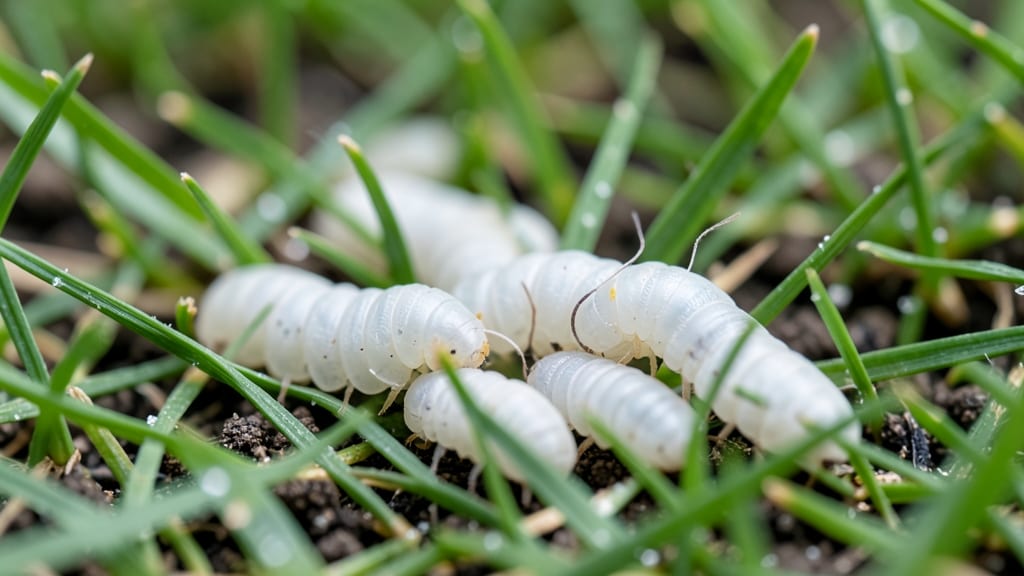
Those tiny small white bugs in the lawn hopping across your grass aren’t just annoying—they’re sucking the life out of your lawn. 🌱 I’ve battled them head-on, and I’ll show you how to eliminate them naturally in just 24 hours without harsh chemicals.
The key? Identifying them first (fungus gnats? springtails? fleas?) and hitting them with the right targeted approach.
Most homeowners panic and reach for pesticides, but that’s overkill—and often ineffective. Instead, focus on removing their food source (thatch, decaying matter) and disrupting their life cycle with simple organic methods.
I’ve seen lawns go from swarming to spotless in a single day using these tricks, and your grass will thank you.
You’ll need just three household items (vinegar, dish soap, and a hose) to create a foolproof spray that works on contact. The best part? It’s safe for kids and pets once dry, and it prevents future infestations by breaking their breeding cycle.
No more hiding from lawn pests—just lush, healthy grass.
Works for all common white lawn bugs, from fungus gnats to springtails, and adapts to any yard size. Let’s get your lawn back to its best in record time—without the chemical cleanup headache.
Root Causes of Lawn Invaders
Discovering tiny white bugs scurrying across your lawn can feel like an unexpected guest at a picnic—uninvited and disruptive. But before you reach for the chemical spray, it’s worth understanding why these critters show up in the first place.
The answer often lies in a mix of environmental factors, lawn health, and seasonal triggers. Let’s break down the most common reasons these pests decide your yard is their new home.
Lawns that stay soggy or waterlogged create the perfect breeding ground for many small white insects, including fungus gnats and springtails. Here’s why:
- Moisture Overload: Excess water doesn’t just drown grass roots—it also attracts moisture-loving pests. Fungus gnats, for example, thrive in damp, organic-rich soil where their larvae can feed on decomposing matter.
- Fungal Growth: Waterlogged conditions encourage fungal growth, which in turn attracts springtails. These bugs feed on fungi and decaying plant material, turning your lawn into an all-you-can-eat buffet.
- Root Stress: Poor drainage weakens grass roots, making them more susceptible to pest infestations. Healthy roots are better equipped to fend off invaders.
Actionable Fix: Improve drainage by aerating your lawn in the fall and top-dressing with sand or compost. Water deeply but infrequently—aim for 1–1.5 inches per week—to keep soil conditions balanced.
Thatch—a layer of dead grass, roots, and organic matter—isn’t always bad, but when it piles up, it becomes a cozy hideout for pests. Thatch traps moisture and provides shelter for:
- Sowbugs and Pillbugs: These armored critters love hiding in thick thatch layers, especially in shaded or damp areas. They don’t bite or damage grass directly, but their presence signals an imbalance in your lawn’s ecosystem.
- Earwigs: Though not always white, earwigs often nest in thatch and mulch. They’re nocturnal and may venture onto your lawn at night, leaving behind tiny eggs or shed exoskeletons.
- Mites: Some species, like broad mites, thrive in dense thatch and can weaken grass over time by feeding on roots and stems.
Actionable Fix: Dethatch your lawn in early spring or fall using a rake or a mechanical dethatcher. Keep grass clippings and debris cleared from the yard—these can harbor pests and fungi. Mow high (3–4 inches) to reduce thatch accumulation.
Your lawn’s diet plays a bigger role in pest control than you might think. Both under-fertilization and over-fertilization can attract unwanted visitors:
- Weak Grass = Easy Target: Lawns lacking nitrogen or other essential nutrients produce thin, stressed grass. This weakens the plant’s natural defenses, making it more attractive to pests like chinch bugs or white grubs (larvae of beetles).
- Too Much Fertilizer = Pest Magnet: Excess nitrogen promotes rapid grass growth, which can attract fungus gnats and other soil-dwelling pests. It also creates a sticky residue that some insects use as a food source.
- Imbalanced Soil pH: Soil that’s too acidic or alkaline can disrupt beneficial microbes, creating an environment where pests thrive. For example, springtails prefer slightly acidic conditions.
Actionable Fix:
- Test your soil’s pH and nutrient levels (kits are available at garden centers). Aim for a pH of 6.0–7.0 for most grasses.
- Fertilize sparingly—follow the label’s recommended rates and avoid late-season applications, which can encourage fungal growth.
- Use organic matter like compost to improve soil health naturally. This supports strong grass and deters pests by promoting a balanced ecosystem.
Pests don’t just appear out of nowhere—they follow the calendar and weather like a well-planned vacation. Here’s how seasonal changes invite these tiny intruders:
| Season | Pest Culprits | Why They Show Up |
|---|---|---|
| Spring | Fungus gnats, springtails, chinch bugs | Warm, moist soil after winter awakens larvae and eggs. Melting snow and frequent rains create ideal hatching conditions. |
| Summer | White grubs, armyworms, sowbugs | Heat and drought stress grass, making it vulnerable. Grubs feed on roots, while armyworms chew through blades—both thrive in dry, compacted soil. |
| Fall | Earwigs, pillbugs, mites | Cooler temps and falling leaves create damp, sheltered microclimates. Pests seek refuge in thatch and mulch to overwinter. |
| Winter | Few active pests (but eggs survive) | Most white bugs go dormant, but some (like mites) may remain active in mild climates or under snow cover. |
Actionable Fix:
- Monitor your lawn seasonally—adjust watering and mowing habits to disrupt pest life cycles. For example, reduce watering in summer to deter fungus gnats.
- Apply pre-emergent herbicides in early spring (if needed) to prevent grubs and weeds, but use them sparingly to avoid harming beneficial insects.
- Mulch strategically: Use coarse mulch (like pine straw) in fall to deter earwigs and pillbugs, as they prefer fine, moist mulch.
Not all small white bugs are bad—some are actually beneficial! However, when their natural predators disappear, their populations explode. Common predators of lawn pests include:
- Birds (e.g., robins, sparrows)
- Ground beetles (they eat grubs and larvae)
- Spiders (they hunt fungus gnats and mites)
- Toads and frogs (they feast on earwigs and sowbugs)
Pesticides, habitat loss, or even over-tidy lawns (like removing leaf litter) can disrupt these ecosystems. When predators vanish, pests like white grubs or chinch bugs multiply unchecked.
Actionable Fix:
- Create predator-friendly zones in your yard, such as a small pond or a pile of rocks where toads can hide.
- Avoid broad-spectrum pesticides, which kill both pests and their predators. Opt for targeted treatments instead.
- Leave some leaf litter or mulch in shaded areas—it provides shelter for ground beetles and other beneficial insects.
Understanding the why behind these invasions is the first step to kicking them out for good. Once you address the root causes—
Natural Ways to Eliminate Lawn Invaders
Now that you know what’s munching on your grass, it’s time to act! These small white bugs—whether they’re fungus gnats, springtails, or other pests—can be banished without harsh chemicals. Below are targeted, eco-friendly solutions based on the root cause, along with prevention tips to keep your lawn pest-free long-term.
---
Fungus gnats thrive in damp, thatchy soil and lay eggs in moist organic matter. Here’s how to smother them fast:
#### 🍳 Drench with Beneficial Nematodes (24-Hour Fix) - How: Mix beneficial nematodes (like Steinernema feltiae) with water and apply to the lawn using a sprayer or watering can.
These microscopic worms paralyze and kill fungus gnat larvae within 24–48 hours. - Where to Buy: Garden centers or online (look for "fungus gnat nematodes"). - Pro Tip: 💡 Water the lawn lightly before applying nematodes to help them move deeper into the soil.
#### 👨🍳 Adjust Watering Habits (Prevention) - Problem: Overwatering = fungus gnat paradise. - Solution: - Water deeply but less frequently (1–1.5 inches per week). - Avoid daily light watering—let the top inch of soil dry out between sessions. - Improve drainage if your lawn stays soggy (aerate or add sand to heavy clay soil).
#### 🥘 DIY Yellow Sticky Traps (Monitor & Reduce Adults) - How: Fill small cups with yellow water (add a drop of dish soap) and place them around the lawn. Adult gnats get trapped and drown. - Bonus: Check traps daily and replace every 3–4 days for maximum effectiveness.
---
Springtails love decaying organic matter and thrive in shady, compacted lawns. Here’s how to evict them:
#### 🔪 Remove Thatch & Debris (Instant Relief) - How: Rake or dethatch the lawn to expose springtails to sunlight and predators (birds, spiders). - Pro Tip: 🌡️ Do this on a warm, sunny day—springtails dry out and die quickly.
#### ⏰ Improve Lawn Health (Long-Term Defense) - Aerate: Use a core aerator to break up compacted soil (springtails hate well-aerated turf). - Top-Dress: Spread a thin layer of compost or sand to reduce organic buildup. - Mow High: Keep grass at 3–4 inches to shade the soil and discourage springtail habitats.
#### ✨ Use Diatomaceous Earth (DE) (Non-Toxic Barrier) - How: Sprinkle food-grade DE lightly over the lawn (especially shady areas). It dehydrates springtails on contact. - Caution: Reapply after rain or watering (DE washes away).
---
If your pests are grubs, mealybugs, or aphids, try these fixes:
#### 🐛 Introduce Predatory Insects (Nature’s Cleanup Crew) - For Grubs: Release milky spore bacteria (Bacillus popilliae)—it targets Japanese beetle grubs without harming your lawn. - For Mealybugs/Aphids: Invite ladybugs or lacewings (buy eggs/larvae online or attract them with nectar-rich plants).
#### 🌿 Boost Lawn Resilience (Bugs Hate Healthy Grass!) - Fertilize Smartly: Use a slow-release, organic fertilizer (like fish emulsion) to strengthen grass roots. - Overseed Bare Spots: Fill thin areas with drought-resistant grass seed (springtails and grubs love weak turf). - Avoid Broad-Spectrum Pesticides: They kill beneficial insects that eat pests naturally.
---
| Task | When to Do It | Why It Works | |-------------------------|-------------------------|------------------------------------------| | Aerate & Overseed | Early fall or spring | Reduces compaction, encourages deep roots | | Dethatch Annually | Late spring/summer | Removes springtail/gnat hiding spots | | Adjust Irrigation | Year-round | Prevents fungus gnat breeding grounds | | Mulch Properly | After mowing/fertilizing| Prevents thatch buildup | | Encourage Birds | Year-round | Natural springtail/grub predators |
--- Final Thought: Most small white bugs are easy to outsmart with the right mix of cultural fixes (watering, aeration) and natural predators. Start with nematodes for gnats or DE for springtails, then lock in prevention with healthier soil. Your lawn will thank you! 🌱🚫🐜
Frequently asked questions
Are these small white bugs actually harmful to my lawn?
Most small white bugs like springtails or fungus gnats are more annoying than harmful, but some can damage grass roots over time. Fungus gnat larvae feed on organic matter and weak roots, while springtails thrive in compacted soil. The key is acting fast—healthy grass can handle small populations, but large infestations may require intervention.
Why do I see more white bugs after watering my lawn?
Watering triggers two main reactions: moisture wakes up dormant eggs, and damp soil attracts moisture-loving pests like fungus gnats and springtails. The solution? Water deeply but less frequently (1–1.5 inches per week) and improve drainage. This removes their ideal breeding conditions while keeping your grass hydrated.
Will vinegar or dish soap really kill these bugs?
Yes, but with a few caveats! A mix of 1 gallon water + 1 cup vinegar + 1 tablespoon dish soap works on contact for adult bugs. However, it won’t reach larvae in the soil. For complete eradication, combine this spray with nematodes (for gnats) or diatomaceous earth (for springtails) for long-term results.
Can birds or other wildlife help control these pests naturally?
Birds like robins and sparrows love snacking on springtails and grubs, while spiders and ground beetles hunt fungus gnats. To attract them, leave some leaf litter in shady areas, avoid pesticides, and add a small water source. A healthy ecosystem becomes your best pest-control team!
How long until I see results after treating my lawn?
For surface bugs (like adult gnats), you’ll notice a difference within 24 hours with targeted sprays or traps. For soil-dwelling larvae (like grubs), beneficial nematodes take 3–7 days to work fully. Consistency is key—reapply treatments every 7–14 days during peak seasons (spring/fall) for best results.