
Lawn
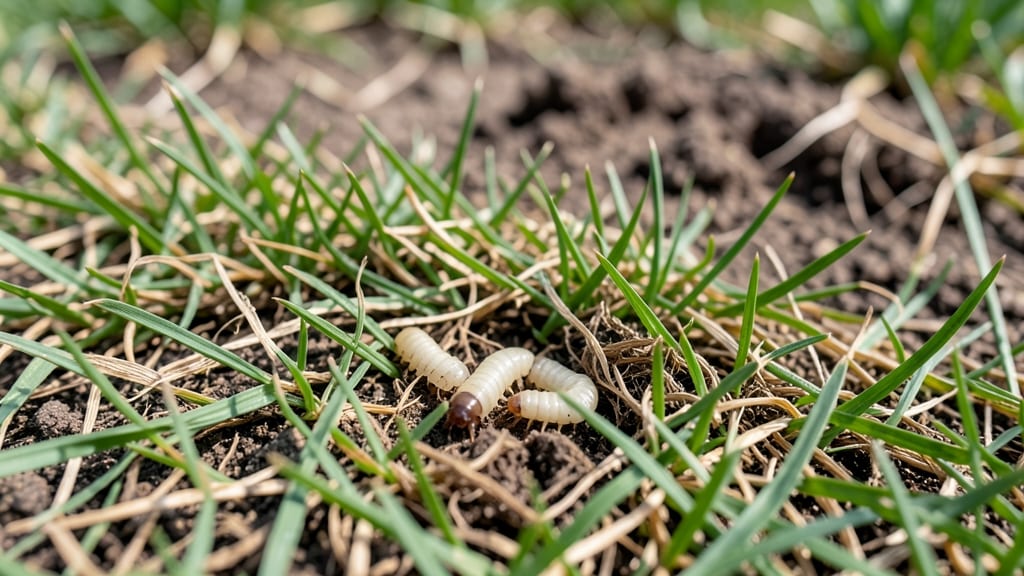
Those signs of grubs in your lawn aren’t just dry spots—they’re grubs feasting underground. 🌱 These C-shaped larvae munch on roots, turning grass into spongy, easy-to-pull strips by late summer. I’ve seen firsthand how quickly healthy turf turns into a mole magnet when grubs take over.
The giveaways are sneaky: patches that stay brown even after watering, grass that lifts like a rug, or sudden mole hills. Dig up a small section—if you find white, fat larvae, you’ve got your answer. The key is acting fast before the damage spreads like wildfire.
With the right treatment (beneficial nematodes or milky spore), you can kick grubs out for good. I’ve restored lawns from grub damage in just a few weeks using organic methods—no harsh chemicals needed.
Prevention is easier than cleanup: aerate in spring, water deeply but less often, and let birds and toads keep grub populations in check. Your lawn will thank you all summer long.
The Hidden Triggers Behind Grubs
Grubs—those sneaky white larvae—don’t just appear in your lawn by accident. Their presence is usually a sign of deeper ecological or environmental factors at play. Understanding these causes helps you take targeted action to prevent future infestations.
Let’s break down the real reasons your lawn might be attracting grubs, from soil conditions to seasonal patterns.
Grubs thrive in moist, soft soil because it makes it easier for them to feed and burrow. Here’s why overwatering or poor drainage creates the perfect grub buffet:
- Excess moisture weakens grass roots, making them easier for grubs to consume. Healthy grass roots are naturally resistant to larval feeding. - Compacted or clay-heavy soil holds water longer, creating a damp, anaerobic environment that grubs love.
This is especially true in low-lying areas where water pools. - Frequent irrigation (like daily watering) signals to adult beetles that the soil is ideal for laying eggs. Many beetles, like Japanese beetles, seek out moist turf to deposit their eggs.
Actionable fix: Test your soil’s drainage by digging a 6-inch hole and filling it with water. If it drains in less than 30 minutes, your soil is fine. If not, amend with sand or organic matter (like compost) to improve aeration. Water deeply but infrequently—aim for 1–1.5 inches per week—to encourage deeper root growth and deter grubs.
Grubs don’t hatch on their own—they’re the offspring of adult beetles, and their arrival is tied to specific life cycles. Here’s how timing plays a role:
- Spring and early summer are peak egg-laying seasons for many grub species. Female beetles (like June bugs or Japanese beetles) emerge from overwintering sites and seek out lush, newly fertilized lawns to lay eggs. - Warm, humid nights (ideal for beetle flight) increase the chances of infestation.
Beetles are attracted to bright lights at night, so outdoor lighting can inadvertently draw them to your lawn. - Grass type matters: Beetles prefer thick, healthy turf (like Kentucky bluegrass or tall fescue) because it provides ample food for their larvae. Thin or stressed grass is less appealing.
Actionable fix:
- Monitor beetle activity in late spring/early summer. If you see swarms of beetles, act fast—treat the lawn with beneficial nematodes or grub-specific insecticides within 10–14 days of the first sighting (this targets eggs before they hatch).
- Reduce nighttime lighting near your lawn to minimize beetle attraction.
- Mow high (3–4 inches) to discourage beetles from landing and laying eggs in the cool, moist soil beneath short grass.
While fertilization is essential for a green lawn, too much of a good thing can backfire by creating a grub paradise. Here’s how:
- High nitrogen levels (common in fast-release fertilizers) stimulate rapid grass growth, which grubs love to eat. The more tender the roots, the easier they are to digest. - Freshly applied compost or mulch can attract beetles looking for soft soil to lay eggs.
Organic matter breaks down quickly, creating a temporary moist, nutrient-rich zone. - Over-fertilized lawns often have weaker root systems, making them more vulnerable to grub damage. Grubs prefer lawns where they can feed without competition from deep, established roots.
Actionable fix:
- Follow a balanced fertilization schedule: Use slow-release, organic fertilizers and apply them in small, frequent doses rather than heavy applications.
- Avoid top-dressing with fresh compost in spring/summer when beetles are active. If you must amend soil, do it in fall or early spring.
- Test your soil before fertilizing to ensure you’re not overdoing it. A simple DIY soil test kit (available at garden centers) can help you gauge nitrogen and organic matter levels.
Not all lawns are equally susceptible to grubs—geography and climate play a huge role in determining which species thrive in your area. Here’s how:
- Warm, humid climates (like the Southeast U.S.) are prime territory for Japanese beetle grubs, which require consistent moisture to survive.
- Cooler northern regions often battle European chafer grubs, which prefer well-drained but moist soil typical of spring/summer lawns.
- Drought-stressed lawns might seem like a grub deterrent, but sudden heavy rains after a dry spell can trigger a population explosion as beetles rush to lay eggs in the suddenly moist soil.
Actionable fix:
- Research local grub species in your area (extension offices or local nurseries can help). Knowing the enemy makes prevention easier.
- Adjust watering based on weather: In drought-prone areas, deep, infrequent watering discourages beetles. In humid regions, reduce evening watering to prevent soil from staying soggy overnight.
- Consider regional treatments: Some areas benefit from fall applications of grub control, while others need spring treatments—timing is everything!
Grubs aren’t the only ones digging in your lawn—nature’s pest control (like birds, toads, and beneficial nematodes) keeps their populations in check. When these predators disappear, grub numbers skyrocket.
- Overuse of broad-spectrum pesticides kills not just grubs but also their natural enemies, like ground beetles, stink bugs, and parasitic wasps.
- Loss of biodiversity in your yard (e.g., no bird feeders, no wildflower borders) means fewer birds and mammals to eat grubs.
- Compacted soil reduces the habitat for beneficial insects that prey on grubs, like rove beetles and ants.
Actionable fix:
- Encourage wildlife: Install birdhouses, bat boxes, or a small pond to attract natural grub hunters.
- Use targeted treatments: If you must treat for grubs, opt for selective insecticides (like imidacloprid or trichlorfon) that spare beneficial insects.
- Introduce nematodes: Heterorhabditis bacteriophora nematodes are microscopic predators that specifically target grubs without harming other organisms. Apply them in early summer or fall for best results.
Even well-intentioned lawn care can invite grubs if not done correctly. Common blunders include:
- Scalping the lawn (mowing too short) exposes soil to sunlight, drying out the top layer while keeping moisture trapped below—grubs love this contrast.
- Over-seeding without proper prep can create a thin, weak turf layer that’s easy for grubs to penetrate.
- Ignoring thatch buildup: A thick thatch layer (over ½ inch) traps moisture and organic matter, creating a grub-friendly microclimate at the soil surface.
Actionable fix:
- Mow high (3–4 inches) to shade the soil and reduce moisture loss.
- Dethatch annually in spring to prevent thatch from becoming a grub haven.
- Aerate compacted lawns in fall to improve drainage and reduce grub-friendly conditions.
How to Fix Lawn Grub Damage
Grubs may seem like a small problem, but their presence can quickly turn your lush lawn into a patchy, brown mess. The good news? With the right approach, you can eliminate existing grubs, repair damage, and prevent future infestations.
Below, we break down targeted solutions based on the root cause of your grub problem—whether it’s active larvae, weak turf, or poor soil health—plus prevention tips to keep your lawn thriving.
If you’ve spotted squirming grubs in your soil or damaged patches where grass pulls up easily, act fast to stop them from devouring roots.
🍳 Apply Grub-Specific Pesticides (Fastest Fix)
Grub killers contain imidacloprid, chlorantraniliprole, or trichlorfon, which target larvae in the soil.
- How to do it:
- Choose a granular or liquid systemic insecticide (e.g., Merit, Bayer Grub Killer, or Scotts GrubEx).
- Follow label instructions for application rates (usually 1–2 lbs per 1,000 sq ft).
- Water lightly after application to help granules dissolve into the soil.
- Reapply in 4–6 weeks if grubs persist (larvae hatch in waves).
- ⚠️ Warning: Avoid overwatering immediately after—this can wash pesticides away.
👨🍳 Use Beneficial Nematodes (Natural & Safe)
For an eco-friendly approach, Heterorhabditis bacteriophora nematodes seek out and kill grubs without chemicals.
- How to do it:
- Apply nematodes in the evening (they’re sensitive to sunlight).
- Mix with water and soak the lawn using a hose-end sprayer.
- Best results in moist, warm soil (60–85°F).
- Repeat every 4–6 weeks during grub season (late spring–early fall).
🥘 Overseed & Repair Damaged Areas
Grubs weaken grass roots, leaving brown patches that won’t recover on their own.
- How to do it:
- Rake out dead grass and loosen soil with a garden fork.
- Spread high-quality grass seed (choose a type matching your lawn).
- Apply a starter fertilizer (low nitrogen, high phosphorus) to encourage root growth.
- Keep the area moist but not soggy until new grass establishes (4–6 weeks).
Grubs thrive in weak, overwatered, or nutrient-poor lawns. Take these steps to make your turf less inviting to pests.
🌡️ Adjust Watering Habits
Grubs love excess moisture—overwatering keeps soil soft, making it easier for them to feed.
- Do this instead:
- Water deeply 1–2 times per week (early morning) instead of daily light sprinkles.
- Aim for 1–1.5 inches per week (check with a rain gauge).
- Improve drainage in low spots by aerating or adding compost.
💡 Choose Grub-Resistant Grass Types
Some grasses naturally deter grubs or recover faster from damage.
- Best options:
- Tall fescue (deep roots, tougher against pests).
- Buffalo grass (drought-resistant, less appealing to grubs).
- Zoysia grass (hardy, recovers well from minor damage).
- Avoid: St. Augustine and Kentucky bluegrass (grub magnets!).
🎯 Boost Soil Health Naturally
Healthy soil = stronger grass roots that grubs struggle to penetrate.
- Add organic matter:
- Spread 2–3 inches of compost and work it into the top 2 inches of soil.
- Use a lawn aerator in spring/fall to improve airflow and nutrient absorption.
- Fertilize smartly:
- Use a balanced fertilizer (10-10-10 or 16-4-8) in early spring.
- Avoid high-nitrogen lawn foods in summer (they encourage soft, grub-friendly growth).
Once you’ve kicked grubs out, keep them from coming back with these habits:
- 🔍 Inspect your lawn monthly (especially after rain) for early signs of grubs.
- 🍂 Clean up thatch (thick layers trap moisture and grubs—dethatch in early spring).
- 🐛 Encourage natural predators:
- Birds (like robins and skunks) eat grubs—leave some bare spots for them!
- Beneficial insects (ground beetles, soldier beetles) also hunt grubs.
- 📅 Time your treatments right:
- Apply preventative grub control in late spring/early summer (when eggs hatch).
- Post-emergent treatments work best in July–August (when larvae are active).
Pro Tip: If grubs return year after year, consider professional lawn care services—they can provide customized treatment plans and deeper soil analysis. But for most homeowners, DIY control + smart lawn care keeps grubs at bay for good!
Frequently asked questions
How can I tell if brown patches mean grubs are the problem?
Look for three key signs: grass that lifts easily like a rug, spongy soil when pressed, and increased mole or skunk activity. Dig up a small patch—if you find white, C-shaped larvae (1/4"–1/2" long), those are grubs. Brown patches from drought or disease won't pull up this easily.
Why do grubs appear suddenly even if my lawn looked healthy?
Adult beetles (like Japanese beetles) lay eggs in spring/summer, and the larvae hatch in 2–4 weeks. Overwatering or recent fertilization signals beetles that your lawn is prime real estate for egg-laying. Even healthy turf can become a grub hotspot if conditions are right—check for excess moisture or recent beetle swarms.
Are grubs harmful to pets or children?
Grubs themselves aren't dangerous, but the chemical treatments used to kill them can be toxic if ingested. Always follow product labels carefully and keep pets/children off treated lawns for 24–48 hours. Organic options like nematodes are safer but require proper application timing for best results.
Can I use vinegar or other household items to kill grubs?
Vinegar won't kill grubs—it's too mild. For organic control, try beneficial nematodes (microscopic predators) or milky spore (a natural bacteria). The most effective DIY method is hand-picking grubs during their peak activity (late summer) and encouraging natural predators like birds and toads.
How long does it take to see results after treating for grubs?
Chemical treatments show improvement in 2–4 weeks as existing grubs die off, but full recovery takes 3–6 months for grass to regrow. Nematodes work slower (4–6 weeks) but provide longer-term control. For best results, combine treatment with proper watering and overseeding damaged areas.