Buying guide: how to choose the right Lawn Insect Killer
1. Active Ingredient Type: Sevin vs. Organic Alternatives 💡
Sevin (carbaryl-based) is the gold standard for fast, broad-spectrum pest control, effectively targeting Japanese beetles, grubs, and other lawn pests. It’s a synthetic insecticide that delivers quick knockdown, often showing results within 24-48 hours. However, if you’re prioritizing organic gardening or avoiding synthetic chemicals, consider neem oil-based alternatives. While these may require more frequent applications, they’re safer for beneficial insects and compliant with organic certification standards. Pro tip: If you have pets or children, Sevin requires careful handling, whereas organic options are generally safer once dry.
2. Formulation: Granular, Spray, or Dust for Application Convenience ⚡
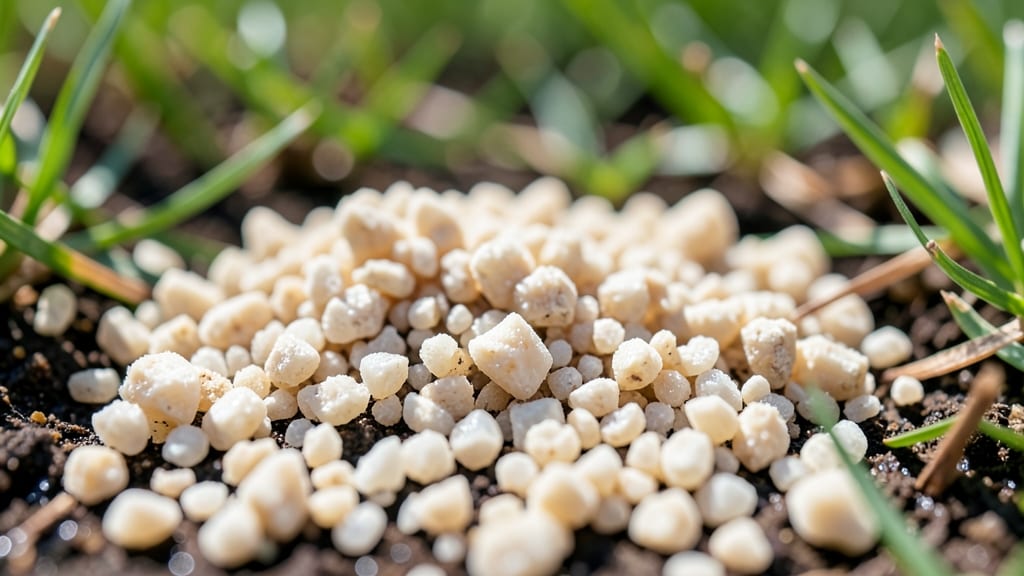
The formulation you choose depends on your lawn size, pest severity, and convenience preferences. Granular concentrates are ideal for large lawns—mix with sand for even distribution using a spreader.
They offer long-lasting control but require dilution. Ready-to-use sprays are perfect for quick fixes on small areas or spot treatments, with no mixing required. Dust formulations excel for precise, hard-to-reach spots like garden beds or tree bases.
Counter-intuitively, extended-release granules (premium tier) provide up to 6 months of protection, making them a significant investment for persistent infestations. For most homeowners, a granular concentrate or ready-to-use spray strikes the best balance between ease and effectiveness.
3. Spectrum of Pest Control: Japanese Beetles, Grubs, or Broad-Spectrum ✅
Not all insect killers target the same pests. Japanese beetles and grubs are the most common lawn threats, but some products also control ants, aphids, and beetles.
If your lawn is overrun by Japanese beetles, opt for a Sevin-based granular or spray, as these are specifically formulated for fast knockdown. For grubs, extended-release granules penetrate deeper into the soil for long-term prevention.
Organic options like neem oil work well for a broader range of soft-bodied insects but may require multiple applications. Key question: Are you dealing with surface pests (beetles) or underground damage (grubs)? This determines whether a spray or granular is the better choice.
4. Shelf Life and Storage Requirements for Long-Term Use 🔍
Shelf life varies dramatically between products. Sevin granular concentrates can last up to 3 years when stored in a cool, dry place, making them a cost-effective choice for seasonal gardeners. Ready-to-use sprays, however, typically degrade within 1-2 years, so buy only what you’ll use in a season.
Organic options like neem oil have shorter shelf lives (6-12 months) and may require refrigeration after opening. Pro tip: Store all products in their original containers, away from sunlight and moisture.
If you’re treating your lawn annually, a granular concentrate is the most economical long-term solution, while sprays are better for one-time or spot treatments.
5. Safety and Environmental Considerations 🛡️
Safety is non-negotiable when using lawn insect killers. Sevin-based products require gloves, long sleeves, and eye protection during application, and should be kept away from water sources to prevent contamination. Organic alternatives like neem oil are far less toxic but may still irritate sensitive skin or plants if overapplied.
Always follow label instructions for reapplication intervals and avoid treating lawns during rain or before heavy watering.
For families with pets or children, consider organic options or apply treatments in the evening to minimize exposure. Bonus tip: Water your lawn lightly after application (except with extended-release granules) to help activate the product without washing it away.
6. Budget vs. Performance: Finding the Right Balance 💰
Your budget will dictate whether you opt for a budget-friendly spray, a mid-range granular concentrate, or a premium extended-release formula. Budget options are ideal for small yards or occasional use, while mid-range and premium products offer better value for large lawns or persistent infestations.
If you’re on a tight budget, a ready-to-use spray provides immediate results without the upfront cost of granules. However, for long-term protection, investing in a granular concentrate or extended-release product can save money over multiple seasons. Remember: Cheaper doesn’t always mean worse—it just means different priorities.
If speed is your goal, prioritize sprays; if longevity matters, go granular.
Frequently asked questions
Q: Will Sevin lawn insect killer work on all types of lawn pests?
1
Sevin insect killer
is highly effective against a wide range of common lawn pests, including Japanese beetles, grubs, ants, and beetles. Its active ingredient, 0.5% carbaryl, provides broad-spectrum control, making it ideal for targeting multiple types of insects simultaneously. However, it may be less effective against soft-bodied pests like aphids or organic gardeners may prefer neem oil-based alternatives for a broader organic pest control spectrum. Always check the product label for specific pests it targets to ensure compatibility with your lawn's needs.
Q: How do I apply Sevin granular insect killer for best results?
For optimal results with Sevin granular insect killer, start by mixing the concentrate with sand in a 1:10 ratio (1 part concentrate to 10 parts sand) to ensure even distribution. Use a spreader to apply the granules evenly across your lawn, focusing on areas where pests are most active. Apply in the early evening when pests are most active, and water lightly afterward to activate the granules. Avoid applying during windy conditions to prevent drift. For large lawns, measure your area first to determine the correct amount needed.
Q: Why isn’t my Sevin insect killer working as expected?
If your Sevin insect killer isn’t delivering the expected results, several factors could be at play. First, ensure you’re applying the correct dosage and following the label instructions precisely. Incorrect application, such as skipping the watering step or using too little product, can reduce effectiveness. Additionally, pests may have developed resistance in your area, so rotating products or combining treatments (like using a spray for surface pests and granules for grubs) can help. Finally, check if the product has expired—Sevin granular concentrates can last up to 3 years, but expired products lose potency.
Q: What’s the difference between Sevin granular and Sevin spray?
The main difference lies in application convenience and coverage. Sevin granular insect killer is ideal for large lawns, offering long-term control and requiring dilution before use. It’s best for treating grubs and underground pests and provides broad coverage when applied with a spreader. On the other hand, Sevin ready-to-use spray is perfect for quick, targeted treatments on small areas or spot applications, such as Japanese beetle hotspots. Sprays are easier to apply but may require more frequent reapplication compared to granules.
Q: Is Sevin insect killer safe for my lawn and pets?
While Sevin insect killer is effective, it does contain synthetic chemicals that require careful handling. Always wear gloves and protective clothing during application and avoid spraying near water sources or areas where pets and children play. Once applied and watered in, the product becomes less hazardous, but it’s best to keep pets off treated areas for 24-48 hours. For pet owners, consider organic alternatives like neem oil, which are safer once dry but may require more frequent applications. Always follow the product label for safety guidelines.
Q: How long does Sevin insect killer last, and when should I reapply?
The duration of protection depends on the formulation. Sevin granular concentrates can provide up to 3 years of shelf life when stored properly, but their effectiveness on your lawn typically lasts 1-3 months depending on weather conditions. Extended-release granules offer up to 6 months of control, while ready-to-use sprays may require reapplication every 2-4 weeks for persistent pests. Monitor your lawn for signs of reinfestation and reapply as needed, following the product label for specific intervals.
Q: What’s a good budget-friendly alternative to Sevin insect killer?
If you’re looking for a budget-friendly alternative to Sevin insect killer, consider neem oil-based insect killers. These organic options are cost-effective, safe for beneficial insects, and compliant with organic gardening standards. While they may require more frequent applications, they’re an excellent choice for those avoiding synthetic chemicals. Another affordable option is diatomaceous earth, which works well for crawling insects but needs to be reapplied after watering. For targeted control of Japanese beetles, look for pyrethrin-based sprays, which are budget-friendly and fast-acting.
★★★★★4.9(2 reviews)