
Lawn
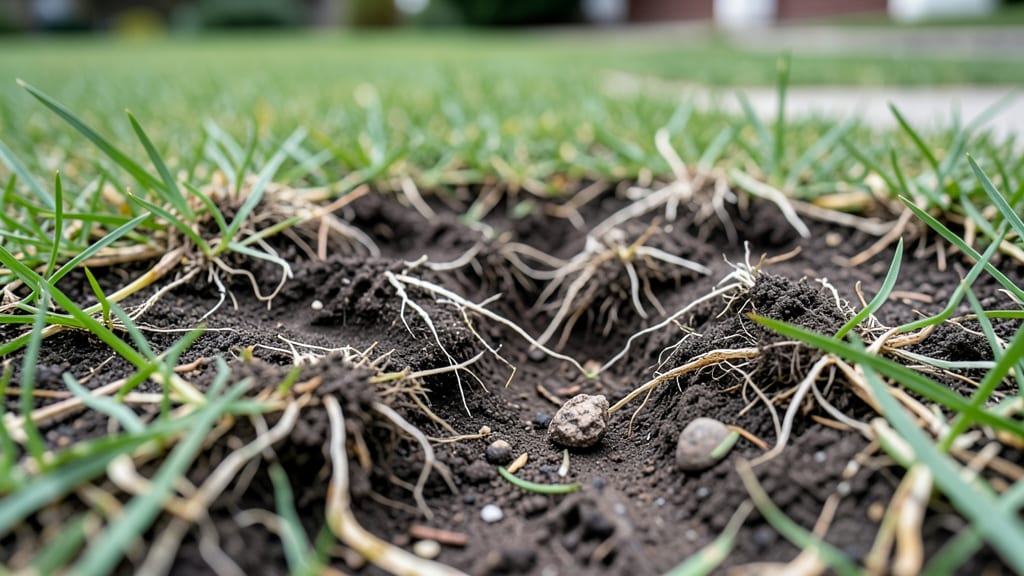
Your lawn tells a story—one with claw marks, scattered soil, and half-dug-up patches that scream "raccoon activity." 🦝 But if you’ve spotted raccoon lawn damage pictures like these, you know the real nightmare: chewed grass, scattered debris, and holes that look like a miniature construction site.
This isn’t just unsightly—it’s a sign your yard’s becoming a midnight buffet. The culprits aren’t picky: they’ll dig up bulbs, chew young plants, and even raid trash cans. Prevention starts with removing food sources—secure trash bins with lids, pick up fallen fruit, and store pet food indoors.
A motion-activated light near problem spots can scare them off, but the real fix is physical barriers like chicken wire over garden beds. Repairing the damage is easier than you think. Patch holes with fresh topsoil and reseed, then tamp down firmly.
For persistent chewers, try spicy pepper spray (non-toxic but effective) or plant deterrents like daffodils, which raccoons avoid. The goal? A lawn that looks undisturbed—and stays that way. This works for urban backyards, suburban lawns, or even small patios. The key is acting fast before the damage spreads.
Let’s get your lawn back in shape!
The Roots of Raccoon Lawn Havoc
Raccoons may look cute with their masked faces and dexterous paws, but when they invade your lawn, they can turn it into a chaotic mess. Understanding why raccoons target lawns is the first step to protecting your green space.
These nocturnal creatures are drawn to yards for a mix of food, shelter, and nesting opportunities. Let’s break down the science—and the sneaky behaviors—behind their destructive habits.
Raccoons are omnivorous opportunists, and your lawn might unknowingly be serving up a feast. Their diet includes:
- Insects and grubs: Raccoons have highly sensitive front paws (almost like human fingers) that let them dig up lawns to uncover hidden bugs, beetle larvae, and worms. A single raccoon can uproot dozens of square feet of grass in one night, leaving behind a patchwork of torn sod and exposed soil.
- Pet food and garbage: If you leave pet bowls outside or have an unsecured trash can, raccoons will cache food in your lawn—digging holes to bury scraps for later. These "pantries" create unsightly craters and attract other pests.
- Fruits, berries, and fallen nuts: If your yard has fruit trees, berry bushes, or even a neighbor’s nut-producing plants, raccoons will strip the area bare, then trample the remaining vegetation while foraging.
Pro Tip: 💡 Mulch your lawn regularly to reduce hidden insect populations, and secure trash cans with bungee cords or locks—raccoons can open simple lids with their nimble hands!
Raccoons are solitary but territorial, and they seek out dense, secluded spots to raise their young. Your lawn could be the perfect hideout if it offers:
- Thick ground cover or mulch: Raccoons prefer areas with soft, loose soil or deep mulch to dig burrows. If your lawn has thatch buildup or unkempt patches, they’ll excavate tunnels under shrubs or along fences, weakening grass roots in the process.
- Shelter from predators: Tall grass, hedges, or untrimmed bushes provide cover for ambushing prey (like rodents) and protection for their kits. A raccoon family can tear up acres of lawn while establishing a den.
- Proximity to water: If your yard has a birdbath, dripping hose, or shallow groundwater, raccoons will drink and bathe there, then spread dirt and debris across your lawn while moving.
Action Step: 🔥 Trim overgrown areas and remove leaf litter or debris piles—raccoons love nesting in these spots. Installing motion-activated lights near problem areas can also deter them from settling in.
Raccoons are crepuscular (most active at dusk and dawn), which means they avoid humans but maximize their foraging time. This nocturnal schedule leads to:
- Undetected destruction: By the time you notice torn-up grass, the raccoon has already moved on, making it hard to trace their path. Their digging patterns often radiate outward from a central point (like a food cache or nest).
- Seasonal spikes in activity: Damage peaks in late summer and early fall when raccoons are preparing for winter and raising young. Spring is also active due to mating season, when males roam widely in search of mates.
- Tool-like paw use: Raccoons can pry open lids, untie knots, and even unzip bags with their front paws. If they find a partially buried pet food bag or open compost bin, they’ll expand the hole to access more food, enlarging the damage.
Prevention Tip: ✨ Install heavy-duty hardware cloth (not chicken wire) over garden beds or vulnerable areas—raccoons can’t climb smooth surfaces like metal fencing. Secure compost bins with locking lids to eliminate food incentives.
Sometimes, our own lawn-care habits create the perfect raccoon magnet. Common mistakes include:
| Human Action | Why It Attracts Raccoons |
|---|---|
| Overwatering or poor drainage | Creates soft, muddy soil—easy digging for grubs and nests. |
| Using chemical pesticides | Kills insects, forcing raccoons to dig deeper to find food. |
| Leaving fallen fruit or nuts | Serves as a free food source, encouraging repeat visits. |
| Ignoring pet waste in the yard | Attracts insects, which draw raccoons to the area. |
Fix It: 🌡️ Audit your lawn for these issues and adjust watering schedules to keep soil firm. Pick up fallen fruit promptly and clean up pet waste daily to remove food incentives.
Now that you know why raccoons target your lawn, the next steps are all about deterrence and repair. Stay tuned for actionable solutions to restore your grass and keep these masked bandits out for good!
Quick Fixes for Raccoon Lawn Damage
Raccoons may seem like charming bandits, but their midnight raids on your lawn leave behind a mess of chewed grass, dug-up soil, and scattered debris. The good news? With the right strategies, you can repair the damage, deter future visits, and restore your lawn’s health—without resorting to extreme measures.
Below, we’ll break down practical solutions tailored to the most common types of raccoon lawn destruction, from trampled grass to uprooted plants, plus prevention tips to keep these masked intruders at bay.
---
Raccoons don’t just dig—they walk all over your lawn, compacting soil and leaving patches of flattened grass. Here’s how to revive it:
#### 🔥 Aerate the Soil Compacted soil suffocates grass roots, making recovery slow. Rent or borrow a core aerator (or use a garden fork) to poke holes in the damaged areas. This lets air, water, and nutrients reach the roots faster.
#### 🍳 Overseed Bare Spots After aerating, spread high-quality grass seed (match it to your lawn type) over the trampled areas. Lightly rake the soil to ensure good seed-to-soil contact, then water gently but deeply twice daily for the first week.
A starter fertilizer can give new grass a growth boost.
#### 👨🍳 Top-Dress with Compost Mix 1/4-inch layer of compost into the soil to improve drainage and add nutrients. This helps weakened grass recover faster and crowds out weeds. Avoid heavy mulch—it can smother new growth.
---
Raccoons love digging up bulbs, young plants, and mulch in garden beds. To fix the damage and discourage repeat visits:
#### 🔪 Remove All Evidence Pull out any dug-up bulbs, roots, or disturbed plants and replant them deeper than before (raccoons dig shallowly). For perennials, trim damaged foliage but leave the roots intact—they’ll regrow.
#### 🌡️ Use Physical Barriers - Hardware cloth (1/4-inch mesh) buried 12 inches deep around garden beds prevents digging. - Landscape fabric under mulch can deter raccoons from tearing it up. - Rock mulch (instead of wood chips) is harder to dig through.
#### 🎯 Relocate Temptations Raccoons dig for grubs, worms, and fallen fruit. Apply beneficial nematodes to reduce grubs, and pick up overripe fruit from trees. A shallow trench filled with sharp gravel around the garden edge can also discourage digging.
---
If your mulch is scattered and plants are uprooted, act fast to minimize weed growth and revive the area:
#### ✨ Rake and Replace Mulch Spread a fresh 2-3 inch layer of mulch (cypress or pine straw works well) to suppress weeds and retain moisture. Avoid thick layers—raccoons can climb them to reach your roof or attic.
#### 💡 Plant Raccoon-Resistant Alternatives Swap vulnerable plants (like hostas or tender perennials) with spiky, fragrant, or toxic options: - Daffodils (toxic to raccoons) - Lavender (strong scent deters them) - Russian sage (prickly stems discourage digging)
#### 🚫 Secure Trash and Pet Food Raccoons raid unsecured trash cans, compost bins, and pet food. Use: - Bungee cords to keep lids shut. - Metal trash cans with locking lids. - Electric fencing (low-voltage) around compost areas.
---
Once your lawn is repaired, keep raccoons from returning with these low-effort, high-impact strategies:
- 🌙 Motion-Activated Lights/Sprinklers: Install solar-powered motion lights or spray sprinklers near entry points—they startle raccoons without harming them. - 🏠 Seal Entry Points: Check for gaps in roof vents, chimneys, or crawl spaces and seal them with hardware cloth (not mesh—raccoons can tear it). - 🍖 Remove Food Sources: Store birdseed, pet food, and fallen fruit in raccoon-proof containers.
Avoid feeding wildlife—it encourages them to stick around. - 🌿 Keep the Lawn Healthy: A thick, well-maintained lawn is less appealing to raccoons than a patchy, weak one.
Water deeply but infrequently to avoid soggy spots they love to dig in. - 🗓️ Schedule Regular Checks: Inspect your property monthly for fresh digging or chewed plants. Early action prevents small problems from becoming big ones.
--- Pro Tip: 💡 If raccoons are frequent visitors, consider a humane trap-and-relocate service (check local laws—some areas prohibit relocation). Never use poison, as it can harm pets, wildlife, and children.
With these fixes, your lawn will bounce back faster than a raccoon on a trash raid—and stay that way! 🚀
Frequently asked questions
What do raccoon lawn damage pictures typically show?
Common signs include irregular holes (often 6-12 inches wide), scattered soil clumps, chewed plants, and scattered debris like mulch or leaves. You’ll also spot trampled grass in paths between holes, and sometimes partially buried food scraps (like fruit peels or pet food) near the damage.
Can raccoons really climb fences or trees to reach my lawn?
Raccoons are expert climbers—they can scale smooth surfaces like tree trunks and even chain-link fences (though they struggle with hardware cloth). If they’re jumping from trees or rooftops, install smooth metal flashing on vertical surfaces to deter them.
How do I tell raccoon damage apart from mole or vole damage?
Raccoon holes are messier and larger (often 3+ inches wide) with scattered debris, while moles create neat, fan-shaped tunnels underground. Voles leave shallow surface holes and chewed plant stems. Look for claw marks and scattered food scraps—those are raccoon trademarks!
Will pepper spray or predator urine really work on raccoons?
Yes, but with caveats. Hot pepper spray (like cayenne-based repellents) can deter them, but reapply after rain. Predator urine (coyote or fox) may work temporarily, but raccoons adapt quickly. The most reliable methods are physical barriers (hardware cloth) and removing food sources—sprays are just a temporary distraction.
Is it safe to handle raccoon droppings in my yard?
No! Raccoon feces can carry leptospirosis and rabies. Wear gloves and a mask when cleaning, and dispose of droppings in a sealed bag. If you find them near children’s play areas or pet zones, call a professional wildlife removal service for safe cleanup.