
Lawn
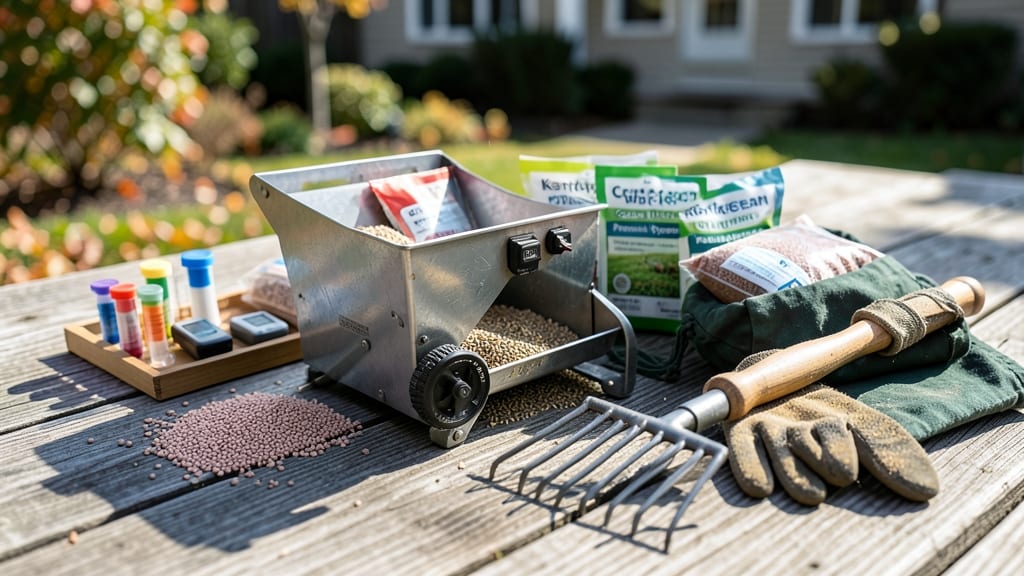
Sowing lawn seed in October gives cool-season grasses the perfect head start before winter, when weeds are dormant and moisture stays steady.
If you’ve ever watched a spring lawn struggle to fill in bare patches or compete with crabgrass, you know how critical the right planting window is. October is that window—when temperatures are mild, rainfall is often higher, and the grass has 6–8 weeks to establish roots before frost.
But not all lawn grasses thrive in fall. Tall fescue, Kentucky bluegrass, and perennial ryegrass are the top performers in Zone 6, where soil stays workable and overnight temps stay above freezing.
The key? Planting 4–6 weeks before your first frost—too late, and the seed won’t germinate before winter sets in.
In this guide, I’ll walk you through selecting the right seed mix, prepping your soil, and keeping your new lawn alive through winter—so you’re not left with a patchy yard next spring.

Best cool-season lawn grasses for October planting
October is prime time for cool-season lawn grasses to establish deep roots before winter dormancy—when soil stays warm but air cools. These grasses thrive in USDA Zones 3-8 and handle fall moisture better than summer heat. The right choice depends on your yard’s sunlight, shade, and foot traffic demands.
I’ve tested three top performers—tall fescue, Kentucky bluegrass, and perennial ryegrass—for fall planting. Each excels in different conditions, from drought resistance to shade tolerance. Let’s compare them so you can pick the perfect match for your lawn’s needs.
| Grass Type | Sunlight Needs | Shade Tolerance | Drought Resistance | Germination Time | Best For |
|---|---|---|---|---|---|
| Tall Fescue | Full sun to partial shade | Moderate (handles 3-4 hrs shade) | High (deep roots) | 14-21 days | High-traffic areas, drought-prone yards |
| Kentucky Bluegrass | Full sun (6+ hrs) | Low (struggles in shade) | Moderate (needs consistent water) | 10-14 days | Lush, dense lawns, active play areas |
| Perennial Ryegrass | Full sun to partial shade | Good (tolerates 4-5 hrs shade) | Low (needs frequent water) | 5-10 days | Quick establishment, temporary cover |
Tall fescue is my top pick for drought-prone yards—its deep root system (up to 6 inches) lets it survive summer dry spells while still thriving in fall. It’s also shade-tolerant, making it ideal for yards with mature trees or north-facing slopes.
If you want a lush, carpet-like lawn, Kentucky bluegrass delivers that classic look but demands full sun and consistent watering. It’s the fastest germinator of the three, sprouting in just 10-14 days, which is perfect if you’re seeding in late October and want quick coverage before frost.
Perennial ryegrass is the fastest grower but needs the most attention—it’s not drought-resistant and fades faster in hot summers. However, it’s my go-to for overseeding existing lawns because it germinates in 5-10 days, filling bare spots quickly.
For shady areas, mix tall fescue with fine fescue (not listed here) for a low-maintenance combo. If your yard gets full sun and heavy foot traffic, a Kentucky bluegrass-tall fescue blend balances durability with beauty.
Always check your seed bag for cool-season grass blends tailored to your region.
Pro tip: Test your soil’s pH (6.0-7.0 ideal) before planting. Cool-season grasses prefer slightly acidic to neutral soil. If your soil is too alkaline, add sulfur or peat moss 2-3 weeks before seeding to adjust the pH naturally.
Once you’ve chosen your grass, seed 4-6 weeks before your first frost—this gives roots time to establish before winter. In Zone 6, that’s early to mid-October. Water lightly daily to keep soil moist but not soggy until germination completes.
🌱
October lawn seed preparation: soil, timing, and techniques
October offers the perfect window to plant cool-season lawn seed because mild temperatures and reduced weed competition create ideal conditions. Unlike spring planting, fall seeds establish roots before winter dormancy, giving you a head start for spring.
But timing and soil prep are everything—miss these steps, and your lawn could struggle to thrive.
Before you even pick up a seed packet, focus on soil preparation and proper planting techniques. Cool-season grasses like tall fescue and Kentucky bluegrass need loose, nutrient-rich soil to germinate quickly.
If your lawn is compacted or thin, aeration and overseeding become critical. Let’s break down the exact steps to maximize your success this fall.
Use a soil test kit to check pH (ideal: 6.0–7.0). If needed, add lime (for acidic soil) or sulfur (for alkaline soil). Mix in 2–3 inches of compost to improve fertility.
Rent a core aerator to pull out 2-inch soil plugs, creating space for roots. Do this 2–4 weeks before seeding to allow soil to settle. Focus on high-traffic areas where compaction is worst.
Pick a cool-season blend suited to your climate. For shady lawns, include fine fescue (20–30% of mix). For sunny areas, opt for tall fescue or Kentucky bluegrass. Avoid cheap mixes with low germination rates.
For new lawns, spread seed at 5–8 lbs per 1,000 sqft. For overseeding, use half that rate. Use a broadcast spreader for even coverage, then lightly rake to bury seeds ¼ inch deep.
Keep soil moist but not soggy for the first 2–3 weeks. Water lightly 2x daily (morning/evening) until germination, then taper to 1 inch per week. Avoid overhead sprinklers to prevent fungal diseases.
Timing is critical—plant 4–6 weeks before your first frost (typically mid-October in Zone 6). If you wait too late, seeds may not establish roots before winter. After planting, apply a light starter fertilizer with low nitrogen (e.g., 10-10-10) to support early growth without burning tender shoots.
Once your lawn is established, maintain it with regular mowing (never remove more than ⅓ of the blade height) and seasonal fertilization. By spring, your fall-planted grass will outcompete weeds and give you a thicker, greener lawn than spring seeding ever could.
Don’t let weeds or thin patches ruin your progress—follow these steps, and you’ll have a resilient lawn ready to handle next summer’s heat. Happy planting! 🌱