
Lawn
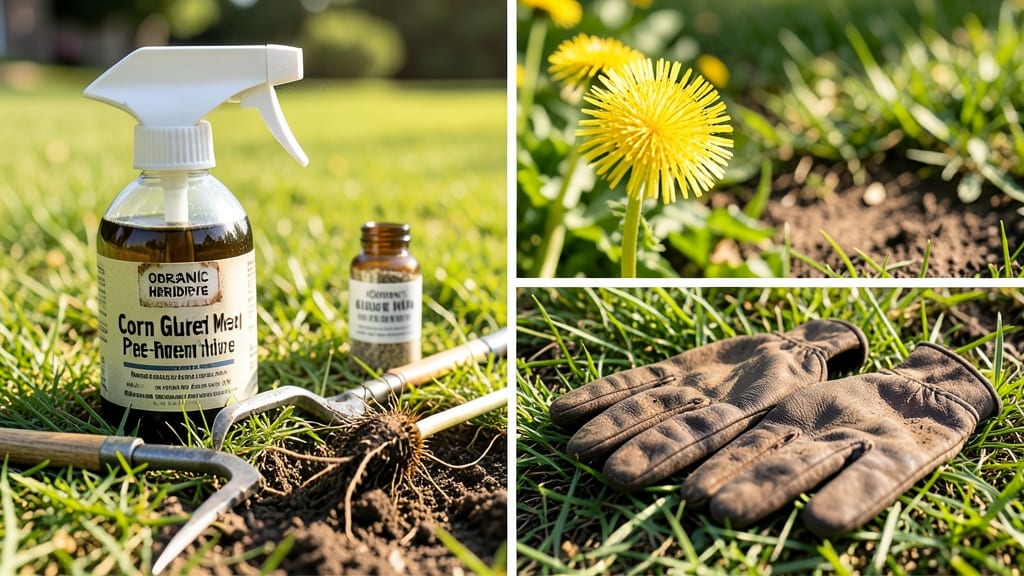
Killing dandelions in your lawn without killing grass is totally doable with the right approach—no harsh chemicals or collateral damage required. ✨ The key lies in targeted, selective methods that focus on the dandelions while preserving the grass. Overwatering or using broad-spectrum herbicides often backfires, killing grass along with weeds. Instead, we’ll use precision tools like selective herbicides, vinegar mixtures, or manual removal—all designed to weaken dandelions while keeping grass healthy. Timing matters too: early spring or fall, when dandelions are actively growing, is the best window for action.
By the end, your lawn will look cleaner, greener, and free of those pesky yellow blooms—without sacrificing your grass. The methods are eco-friendly, cost-effective, and repeatable for long-term results. Let’s get started with the right approach for your yard.
Whether you’re dealing with a small patch or a full lawn, these techniques adapt to your needs. No more struggling with spot treatments that fail or chemicals that harm your grass. Just targeted, effective solutions that work.
Root Causes Of Dandelion Domination
Dandelions thrive in lawns like weeds in a garden—persistent, stubborn, and seemingly impossible to eradicate. But why do they pop up so aggressively while your grass struggles to keep up? The answer lies in a mix of biological advantages, soil conditions, and lawn care oversights.
Understanding these root causes is the first step to reclaiming your yard without harming the grass you’ve worked so hard to grow.
Dandelions are nature’s survivalists. Their taproots can grow up to 15 feet deep, accessing water and nutrients long before grass roots reach the same depth. This gives them a head start in dry spells or compacted soil.
- Why it matters: When your lawn is stressed (from drought, foot traffic, or poor drainage), dandelions exploit the moisture and nutrients left behind, outcompeting grass.
- Actionable fix: Improve soil aeration with a core aerator (spring/fall) to help grass roots grow deeper and crowd out dandelions naturally.
- Pro tip:💡 Overwatering can also encourage dandelions—aim for 1–1.5 inches of water per week (including rain) to keep grass healthy and roots competitive.
Most lawn grasses have shallow root systems (typically 3–6 inches deep), while dandelions tap into deeper soil layers. When grass roots are weak—due to poor soil quality, lack of fertilization, or disease—dandelions fill the gaps like weeds in a cracked sidewalk.
- Why it matters: Thin grass = more bare soil = more space for dandelion seeds to germinate and spread. A dense lawn is your best defense.
- Actionable fix: Test your soil (DIY kits cost ~$20) and amend with compost or a slow-release fertilizer in early spring to strengthen grass roots.
- Watch out:⚠️ Over-fertilizing can burn grass, creating more opportunities for weeds. Follow label rates!
Dandelions are heliotropic—they follow the sun’s movement to maximize photosynthesis. When grass is thinned or stressed (from mowing too short, pests, or disease), dandelions seize the opportunity to spread unchecked.
| Grass Stress Factor | How Dandelions Exploit It | Solution |
|---|---|---|
| Mowing too short (<1 inch) | Weakens grass roots, exposes soil for seeds | Mow at 3–4 inches in summer, 2.5–3 inches in cooler months |
| Pests (grubs, chinch bugs) | Kills grass patches, leaving open areas for weeds | Treat infestations early with beneficial nematodes or insecticides |
| Fungal diseases (brown patch, dollar spot) | Creates dead zones where dandelions thrive | Improve drainage, water in morning, and use fungicides if needed |
One dandelion plant can produce up to 2,000 seeds per year, and those seeds travel miles on the wind. If your lawn has even a few dandelions, they’re likely self-seeding annually, especially in:
- Early spring (seeds germinate when soil temps hit 40°F)
- Fall (ideal for establishing deep roots before winter)
Even if you kill the flowers, last year’s seeds in the soil can sprout for years. That’s why prevention is key.
Actionable fix: Hand-pull dandelions before they flower (🔪 use a dandelion digger tool to remove the taproot), and mulch bare spots to block light from dormant seeds.
Dandelions prefer slightly acidic to neutral soil (pH 6.0–7.0), while many common lawn grasses (like Kentucky bluegrass or fescue) thrive in mildly acidic soil (pH 6.0–7.0)—but if your soil is too alkaline (pH >7.5), grass struggles, and dandelions move in.
- Why it matters: High pH locks out essential nutrients like iron, manganese, and phosphorus, weakening grass and giving dandelions an edge.
- Actionable fix: Test your soil pH (DIY kits or local extension offices). If it’s >7.0, apply sulfur or peat moss to lower it gradually.
- Bonus:🌡️ A balanced soil also reduces dandelion seed viability—healthy grass outcompetes weeds naturally.
Targeted Dandelion Removal Strategies
Dandelions may seem like stubborn invaders, but with the right approach, you can eliminate them without harming your grass. The key is precision—using methods that attack the dandelion’s root system while preserving your lawn’s health.
Below, we break down cause-specific solutions and share prevention tips to keep your yard dandelion-free for good.
---
If dandelions thrive because your grass is sparse, the first step is revitalizing your lawn. Weak grass leaves gaps where weeds take over, so focus on thickening your turf before tackling the dandelions.
#### 🔥 Fix It: Improve Soil & Grass Health - 👨🍳 Aerate the lawn (spring or fall) to loosen compacted soil and help grass roots grow deeper. - 🌱 Overseed bare spots with high-quality grass seed matched to your climate (e.g., Kentucky bluegrass for cool regions, Bermuda grass for warm). - 💧 Water deeply but infrequently (1–1.5 inches per week) to encourage deep root growth—dandelions hate competition! - 🌡️ Test soil pH (ideal: 6.0–7.0 for most grasses).
Adjust with lime (to raise pH) or sulfur (to lower it) if needed.
#### ✨ Prevention Tip: Apply a slow-release, organic fertilizer in early spring to promote dense grass growth. Thick turf naturally crowds out weeds by blocking sunlight.
---
Dandelions reproduce rapidly through seeds, so preventing seed dispersal is critical. If you’ve already got a patch, manual removal is the safest way to stop their spread.
#### 🔪 Fix It: Remove Roots & Seeds Properly - 🍳 Pull by hand (best for small patches): - Wait until soil is soft and moist (after rain or watering). - Grasp the dandelion just below the soil line and pull straight up—this removes the taproot. - 🚫 Avoid breaking the root, or the plant will regrow. - 🔪 Use a dandelion weeder tool for stubborn roots (especially in hard soil). - 🌬️ Bag and dispose of pulled weeds (don’t compost—they’ll reseed!).
#### 💡 Pro Tip: For large patches, try a vinegar-based spray (1 gallon white vinegar + 1 oz dish soap + 1 tbsp salt) only on dandelions—avoid spraying grass. Reapply every 3–5 days until roots die.
---
Dandelions love sunlight, so shading them out is a passive but effective strategy. If your lawn has sunny spots, mulching or planting ground covers can help.
#### 🌿 Fix It: Smother & Outcompete - 🍂 Apply mulch (2–3 inches of straw or wood chips) over bare soil to block sunlight. - 🌱 Plant clover or creeping thyme in sunny gaps—these ground covers tolerate foot traffic and crowd out weeds. - 🌳 Add shade-tolerant plants (like hostas or ferns) near trees or structures to reduce dandelion growth.
#### 🎯 Prevention Tip: Install landscape fabric under mulch in high-weed areas, but leave space for grass to grow through. This creates a weed barrier without harming your lawn.
---
Dandelions often pop up in overwatered or underwatered lawns. Proper hydration keeps grass healthy and dandelions at bay.
#### 💧 Fix It: Water Like a Pro - 🌧️ Water early morning (before 10 AM) to reduce evaporation and fungal risks. - 🔄 Avoid frequent light watering—deep, infrequent watering (1–1.5 inches/week) encourages grass roots to grow deep, outcompeting weeds. - 🚫 Skip watering before mowing to prevent fungal diseases.
#### 🔥 Pro Tip: If your lawn has dry, patchy spots, consider a soaker hose to deliver water directly to roots without oversaturating the soil.
--- Once you’ve removed existing dandelions, maintain your lawn’s health to prevent regrowth: - ⏰ Mow regularly (keep grass at 3–4 inches tall to block sunlight). - 🌱 Use pre-emergent herbicide (like corn gluten meal) in early spring to stop dandelion seeds from germinating. - 🔄 Reseed thin areas in fall for a fresh, dense lawn.
By strengthening your grass, removing roots, blocking sunlight, and watering wisely, you’ll create an environment where dandelions can’t take hold—without harming your lawn!
Frequently asked questions
Can I use regular vinegar to kill dandelions without harming grass?
Yes, but with caution! Use a selective vinegar spray (1 gallon white vinegar + 1 oz dish soap + 1 tbsp salt) only on dandelions—avoid spraying grass. The acidity burns dandelions while grass recovers better due to its thicker cuticle. Apply on a dry, sunny day when temperatures are above 70°F for best results.
How often should I pull dandelions to prevent regrowth?
Pull them weekly during their active growth phases (spring and fall). Focus on removing the entire taproot—even a tiny piece left behind can regrow. For large patches, prioritize new sprouts first (they’re easier to remove) before tackling mature plants. Consistency is key to breaking their life cycle.
Will corn gluten meal actually stop new dandelions from growing?
Yes! Corn gluten meal is a natural pre-emergent herbicide that prevents dandelion seeds from sprouting when applied in early spring (before seeds germinate). Spread 20 lbs per 1,000 sq ft and water lightly to activate. It’s safe for grass once established but won’t kill existing dandelions—combine it with manual removal for best results.
Why do dandelions keep coming back even after I treat them?
Most likely, you’re missing the taproot or seeds are still dormant in the soil. Dandelions can lie dormant for 5+ years, so hand-pulling is often the most reliable method. For stubborn patches, try a boiling water treatment (pour directly on roots) or a selective herbicide like 2,4-D (always follow label instructions).
Can I use a weed torch on dandelions without damaging grass?
Only with extreme caution! A weed torch can work for isolated dandelions, but it risks burning grass if not used precisely. Use a low-flame setting and apply in short bursts (1–2 seconds per plant). Avoid windy days, and never torch when grass is dry or stressed. For safety, test on a small patch first.