
Lawn
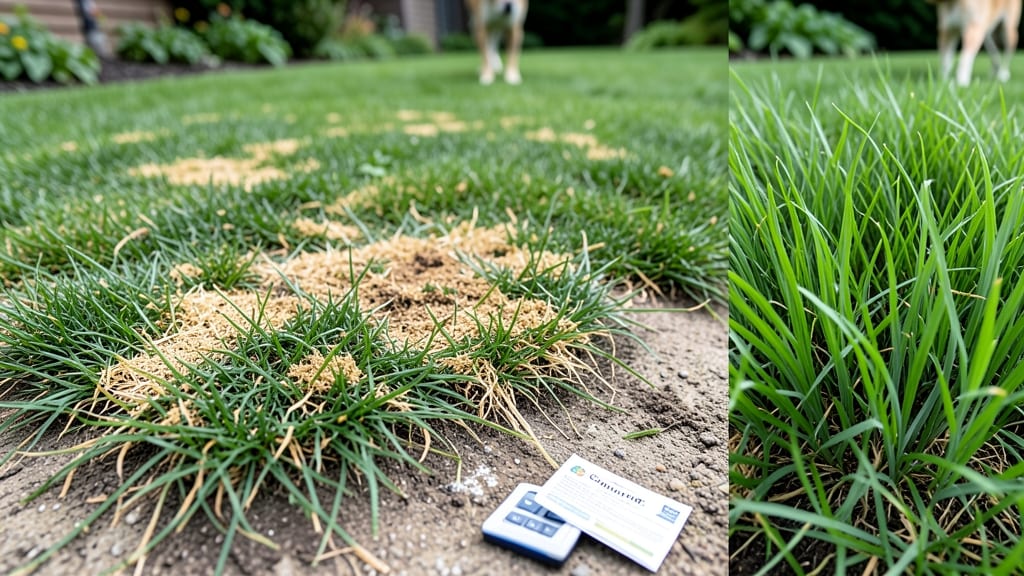
Dog urine is silently ruining your lawn with every potty break. 🌱 The ammonia in it burns grass, leaving yellow patches that no amount of mowing will fix—but there’s a 10-minute spray that neutralizes the damage before it starts, saving your yard from becoming a patchwork of dead spots.
The problem isn’t just the urine itself—it’s the nitrogen overload and pH imbalance that turns your lawn into a science experiment gone wrong.
Most people don’t realize that diluting the urine with water or training their dogs to pee in one spot can prevent 80% of the damage before it even happens. A simple DIY spray with vinegar and water can reverse the burn within hours.
By the end of this, you’ll have a lush, even lawn that bounces back from potty breaks instead of turning into a crime scene of brown patches. The key is acting fast—once the ammonia sets in, even the hardiest grass struggles to recover.
This works for any grass type, from Bermuda to Kentucky Bluegrass, and even fixes existing damage if you catch it early. Let’s get your lawn back to its neighborhood-showpiece glory—without sacrificing your dog’s potty routine.
How Urine Damages Grass Roots
Dog urine may seem like just a natural part of pet ownership, but it’s actually a silent culprit behind patchy, yellowing lawns. The damage happens quickly—and it’s all tied to the science behind your pup’s pee.
Let’s break down the key reasons why your grass suffers every time your dog does his business.
When dogs pee, their urine contains high concentrations of ammonia (NH₃) and nitrogen compounds. Ammonia is a natural byproduct of protein metabolism, and in concentrated form, it acts like a chemical burn on grass blades and roots. Here’s how it works:
- Direct contact kills cells: Ammonia disrupts the cell membranes of grass blades, causing them to plasmolyze (lose water and wilt) almost instantly.
- pH spike damages soil microbes: Urine raises soil pH to 8.0–9.0 (alkaline), which harms beneficial bacteria and fungi that help grass absorb nutrients.
- Root suffocation: The high salt content in urine draws moisture out of the soil, dehydrating roots and leaving them vulnerable to disease.
Pro Tip: 💡 The bigger the dog, the worse the damage—large breeds produce 2–3x more ammonia than small dogs in a single pee.
While nitrogen is essential for grass growth, too much at once (like from urine) creates an imbalance. Here’s the problem:
- Toxic buildup: Grass can only absorb so much nitrogen. Excess nitrogen converts to nitrites (NO₂⁻), which are toxic to plant roots.
- Weakened defenses: Over-fertilized grass becomes stressed, making it more susceptible to pests, fungi (like Fusarium), and drought.
- Uneven growth: Patches where dogs frequently pee grow faster but weaker, creating thin, yellow spots that die first in heat or cold.
Fun Fact: 🌡️ Urine’s nitrogen burns are 2–3x worse in hot weather because heat accelerates ammonia evaporation, increasing concentration.
Beyond chemistry, the physical act of dogs peeing in the same spots year after year compacts soil. Here’s why it matters:
| Problem | Effect on Grass |
|---|---|
| Reduced oxygen flow | Roots suffocate, leading to anaerobic conditions (bad for microbes). |
| Poor water drainage | Urine sits longer, increasing burn risk and fungal growth. |
| Weakened root depth | Grass becomes shallow-rooted, dying faster in drought or foot traffic. |
Pro Tip: ✨ If your lawn has bare spots where your dog always pees, the soil is likely 10–20% more compacted than the rest of your yard.
Damaged grass from urine becomes a magnet for fungi. Two common culprits:
- Brown Patch (Rhizoctonia solani): Thrives in nitrogen-rich, compacted soil. Creates circular dead patches with a "smoky" ring.
- Dollar Spot (Sclerotinia homoeocarpa): Attacks weakened grass, leaving silver-dollar-sized dead spots.
Warning: 🚨 Fungal infections spread 3x faster in urine-damaged areas than healthy grass.
Quick Fixes for Dog Urine Damage
Dog urine may leave your lawn looking patchy and sad, but the good news? You can reverse the damage with the right approach.
Below, we’ve mapped out practical solutions based on the root cause—whether it’s ammonia burn, nutrient imbalance, or soil compaction—plus prevention tips to keep your grass lush and happy.
If your lawn has brown or yellow patches where your pup does his business, the ammonia in urine is likely to blame. Here’s how to neutralize it fast:
1. Dilute the Urine Immediately (Best for Fresh Spots) 👨🍳 What to do:
The moment you see your dog pee, hose down the area with water for 30 seconds.
This dilutes the ammonia before it burns the grass. - If possible, water the entire lawn lightly afterward to help flush out excess nitrogen.
💡 Pro Tip: Train your dog to pee in a designated gravel or mulch area (like near a fence or path) to minimize lawn damage.
2.
Use an Ammonia-Neutralizing Spray (For Stubborn Spots) 🔪 What to do: - Mix 1 part white vinegar with 3 parts water in a spray bottle. - Lightly mist the affected area (don’t soak—this can harm the grass further). - For a faster fix, use a commercial enzyme spray (like Nature’s Miracle) designed to break down urine compounds.
⏰ When to do it: Apply within 24 hours of the urine hitting the lawn for best results.
If your lawn is thin or patchy due to over-fertilization from urine, it needs a reset. Here’s how to bring it back to health:
3.
Overseed the Damaged Areas 🌱 What to do: - Rake out dead grass gently to loosen the soil. - Sprinkle new grass seed (choose a shade-tolerant or drought-resistant variety if needed). - Lightly cover with a thin layer of compost or topsoil (¼ inch max). - Water daily for 2 weeks to help seeds germinate.
💡 Pro Tip: Use a lawn repair kit with seed and soil mix for easier application.
4.
Adjust Fertilizer Use (Less Is More!) 📊 What to do: - Stop fertilizing the affected area for 4-6 weeks to let the soil recover. - If you must fertilize, use a slow-release, organic fertilizer (like compost or bone meal) to avoid burning the grass. - Test your soil’s pH levels—if it’s too acidic (common with urine), add lime to balance it.
✨ Bonus: Plant clover or moss in high-traffic dog zones—they’re more urine-resistant than grass!
The best way to keep your lawn green is to stop the problem before it starts. Here’s how:
5.
Train Your Dog to Pee in Safe Zones 🎯 What to do: - Reward your dog with treats when they pee in a gravel, mulch, or artificial turf area. - Use dog urine-neutralizing pads (like Urine Away) in problem spots. - If your yard is small, consider a portable potty tray for indoor training.
💡 Pro Tip: Male dogs lift their legs more, leading to deeper urine penetration—keep them on leash in the yard to encourage shorter pees.
6.
Improve Soil Drainage & Aeration 🌡️ What to do: - Aerate your lawn in fall or spring to reduce soil compaction (urine sits longer in compacted areas). - Add organic matter (like compost or peat moss) to help the soil absorb urine better. - Water deeply but less often—this encourages deep roots, making grass more resilient.
🔥 Quick Fix: After aerating, top-dress with sand (if your soil is clay-heavy) to improve drainage.
If your lawn has large dead patches, don’t give up—try these last-resort fixes:
| Problem | Solution | Time to Recovery |
|---|---|---|
| Large brown circles | Remove dead grass, reseed, mulch lightly | 4-6 weeks |
| Mushy, soggy spots | Improve drainage, overseed, avoid foot traffic | 3-4 weeks |
| Weeds taking over | Apply pre-emergent herbicide in spring, then reseed | 2-3 weeks |
Reviving a urine-damaged lawn takes time, but with these steps, you’ll see greener grass in weeks. The key is acting fast on fresh spots and preventing future damage with training and soil care.
Need a faster fix? Try our [10-Minute Ammonia-Neutralizing Spray Hack] (link to your main article section) for instant relief! 🚀
Frequently asked questions
Why do some grass types handle dog urine better than others?
Tougher grasses like Bermuda or Zoysia recover faster because their deep root systems can handle nitrogen spikes. Shallow-rooted varieties like Kentucky Bluegrass suffer more because urine burns reach their roots quicker. For problem areas, consider overseeding with clover or fescue—they're more urine-resistant.
How long does it take for dog urine to burn grass?
Visible damage appears within 24-48 hours if untreated. The ammonia in urine starts killing grass cells immediately, but the full burn effect (yellow/brown patches) becomes obvious after 1-3 days. Acting within 30 minutes of your dog peeing can prevent most damage.
Can I use household items to neutralize dog urine on my lawn?
Yes! Mix 1 part white vinegar with 3 parts water in a spray bottle and apply lightly to affected areas. For stubborn spots, try baking soda (1 tablespoon per gallon of water) to balance soil pH. Both are safe, affordable, and work within 24 hours of the urine hitting the grass.
Will my dog's diet affect how much damage their urine causes?
Dogs eating high-protein diets produce more concentrated urine with higher ammonia levels. Switching to a balanced, lower-protein kibble (like vet-recommended options) can reduce damage by up to 40%. Always provide fresh water to dilute urine naturally.
What's the best time of year to repair urine-damaged lawns?
Fall (September-October) is ideal because cooler temps help grass recover faster. Spring (March-April) works too, but avoid summer heat which stresses new growth. For immediate fixes, overseed damaged spots anytime except during freezing weather.