
Lawn
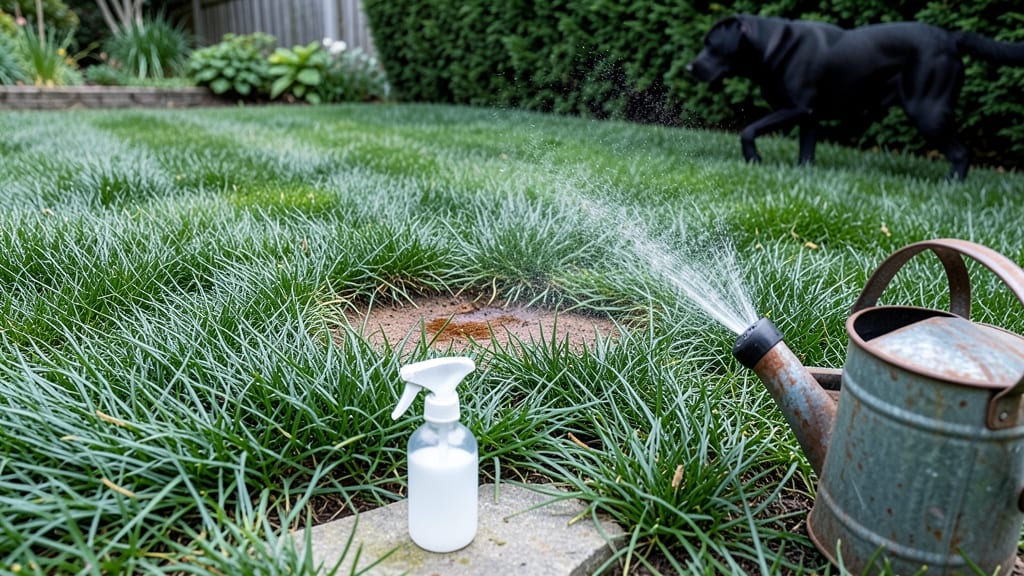
Dog pee turns your lawn into a patchwork of brown spots and green grass—unless you act fast. 🌱 The acid in urine burns grass roots, leaving ugly dead patches that take weeks to recover.
I’ve seen this problem ruin perfectly manicured lawns, but there’s a 24-hour fix that saves your yard from permanent damage. The key is diluting the urine before it hits the grass—watering your dog’s potty spot immediately after they go does the trick.
For existing burn spots, a simple baking soda rinse (1 tablespoon per gallon of water) neutralizes the acid and jumpstarts recovery. Even better, train your dog to pee in one designated area and overseed that spot with dog-friendly grass like tall fescue or Bermuda.
Within 24 hours, you’ll see the damage stop spreading, and in a week, new growth will fill in the spots. The secret is consistency—dilution, training, and quick action keep your lawn lush and your dog’s bathroom habits from becoming a lawn-care nightmare.
You’ll need a hose, baking soda, and a watering can (or spray bottle for small spots). For prevention, consider artificial turf in high-traffic dog areas—it’s durable and won’t burn. If your lawn is already struggling, aerate the damaged spots and reseed with a dog-safe grass mix to rebuild the roots.
Here’s the game-changer: dilution works best if done within 10 minutes of your dog peeing. The longer you wait, the deeper the acid penetrates. For stubborn brown patches, a light layer of compost can help revive the grass over time.
Think of it like a first-aid kit for your lawn—quick action prevents permanent scars.
This method works for any grass type, but cool-season grasses (like Kentucky bluegrass) recover faster than warm-season varieties. If your dog is a frequent offender, a pee pad in the yard can save your lawn from becoming a crime scene.
The goal is to turn those brown spots into a thing of the past—permanently.
📚 In This Guide
- What you need
- Instructions
- Tips and common mistakes
- Wrapping up and next steps
What you need
- ● Garden lime (calcium carbonate) – 10-20 lbs (depending on lawn size; 10 lbs covers ~500 sq. ft.). Choose pelletized lime for even distribution.
- ● Broadcast spreader – A drop spreader (for granular lime) or rotary spreader (for even coverage). Rent or buy one for ~$20–$50.
- ● Water hose with adjustable nozzle – For rinsing and activating treatments.
- ● Gloves & safety goggles – Protect your hands and eyes from lime dust.
- ○ pH test kit – Optional but helpful! Test soil pH before and after treatment (e.g., Luster Leaf or MySoil kits).
- ● Compost or organic fertilizer – 5–10 lbs to replenish nutrients lost from acidity. Look for a balanced 10-10-10 or organic option.
- ● Lawn overseeding mix – If your grass is thin, add 5–10 lbs of Kentucky bluegrass or fescue seeds after neutralizing.
- ● Straw or peat moss – Lightly cover seeds with ¼-inch layer to retain moisture.
- ● Rain delay plan – A waterproof tarp (5’x10’+) to protect treated areas if rain is forecasted within 24 hours.
How to neutralize dog pee burns on lawn in 24 hours
Here’s how I fix yellowed patches fast—no chemicals, just simple solutions you already have.
💧 Step 1: Dilute the Pee Immediately After Spotting
When you see your dog pee, act fast. The longer it sits, the deeper the acid burns into the grass. Grab a hose or watering can and rinse the area with 1-2 gallons of water right away. This dilutes the urea concentration and washes away some of the acid before it damages roots.
I like to use a gentle spray nozzle to avoid compacting the soil. Water should soak into the grass blades and soil surface, not just run off. If you catch it within 10 minutes, you’ll often prevent any browning at all. The key is speed—dog pee starts breaking down into ammonia within minutes, which is what burns the grass.
✂️ Step 2: Apply a Neutralizing Rinse
Mix 1 gallon of water with 1 tablespoon of baking soda in a bucket. The baking soda raises the pH and counters the acidity. Gently pour this solution over the affected area—don’t oversaturate, just enough to moisten the grass blades. This works best within 30 minutes of the pee hitting the lawn.
For tougher patches, I sometimes add ½ teaspoon of dish soap to help the solution stick to the grass blades. Test a small hidden area first to ensure it doesn’t leave residue. If the grass feels slimy afterward, rinse with plain water. This step is critical for grass that’s already showing yellow—it can reverse the damage before it sets in.
☀️ Step 3: Deep Water and Monitor Recovery
After treating, give the area a deep watering—about ½ inch of water—to help the grass absorb nutrients and flush out any remaining acid. Water in the early morning so the lawn has all day to dry before evening. Avoid watering at night, as damp grass is more susceptible to fungal issues.
Watch the grass over the next 24 hours. If it’s still yellow, repeat the baking soda rinse once more. Healthy grass should start greening up within 1-3 days. If the patch stays brown, the damage may be too severe, and you’ll need to overseed that spot later. The good news? Most lawns recover fully with this method if caught early.
🌱 Step 4: Prevent Future Burns with Smart Watering
Train your dog to pee in one designated area of the lawn—like a gravel path or mulched bed—and water that spot immediately after each time. This contains the damage to one small zone instead of spreading it. I also recommend daily deep watering of the entire lawn to keep grass blades thick and resilient.
For high-traffic dog areas, consider overseeding with clover or ryegrass, which are more tolerant of urine. These grasses also help crowd out weeds and improve soil health. If you notice consistent browning in the same spot, it’s time to rethink where your dog does their business—even the best fixes can’t outpace chronic damage.
Tips & tricks for reviving dog-pee-damaged lawns
These simple strategies will help you save your lawn from dog pee damage before it becomes permanent.
Speed is Everything: The first 10 minutes after your dog pees are critical. Dog urine contains urea, which converts to ammonia within minutes—this is what burns the grass. I keep a hose nearby and train my dog to signal when they need to go outside. The faster you dilute that pee, the better your chances of preventing damage entirely. Don't wait until you notice yellowing—act immediately.
Baking Soda Dosage Matters: When mixing your neutralizing solution in Step 2, use exactly 1 tablespoon of baking soda per gallon of water. Too little won't neutralize the acid properly, while too much can disrupt your soil's natural pH balance. For stubborn patches, you can add a tiny bit of dish soap (½ teaspoon) to help the solution adhere to grass blades, but always test a small hidden area first. The baking soda solution should feel slightly alkaline—like club soda—when you touch it.
Monitoring Recovery Timeline: After treating, watch the grass closely over the next 24 hours. If it's still yellow after that time, repeat the baking soda rinse once more. Most lawns show visible improvement within 1-3 days, but severe damage may require overseeding. I've found that grass recovers fastest when treated in the morning—this gives it plenty of daylight to photosynthesize and repair itself during the day.
Prevention Strategy: Train your dog to use one designated area for bathroom breaks, like a gravel path or mulched bed. These surfaces absorb urine better than grass and contain the damage to one small zone. I also recommend daily deep watering of the entire lawn—about ½ inch of water—to keep grass blades thick and resilient against future damage. For high-traffic dog areas, consider overseeding with clover or ryegrass, which are more urine-tolerant than regular grass.
Pro Tips for Dog Pee Burns Lawn
- These simple strategies will help you save your lawn from dog pee damage before it becomes permanent.
- Speed is Everything: The first 10 minutes after your dog pees are critical.
- Baking Soda Dosage Matters: When mixing your neutralizing solution in Step 2, use exactly 1 tablespoon of baking soda per gallon of water.
Frequently asked questions
Why does dog pee burn grass in the first place?
Dog urine is highly concentrated with nitrogen, which can act like a mild acid when it hits the soil. This disrupts the pH balance, causing brown patches or dead spots if your lawn isn’t conditioned to handle it. Fun fact: Male dogs (with longer urethras) tend to cause more damage than females!
How long does it take for dog pee to burn grass?
Damage can appear within 24–48 hours if the urine sits too long or your lawn is drought-stressed. However, most healthy grass recovers in 1–2 weeks with proper care (like diluting the urine or overseeding). For severe burns, you may see lasting damage until the grass regenerates.
What’s the fastest way to neutralize dog pee on my lawn?
Dilute the urine immediately with water (a hose spray works great!). For stubborn spots, mix 1 part baking soda or lime with 10 parts water and gently dab the area. Pro tip: Train your dog to pee on gravel or mulch near the lawn’s edge to minimize direct contact.
Can I train my dog to pee in a specific spot to avoid lawn damage?
Use a consistent command (like “go potty”) and reward them with treats when they pee in a designated area (e.g., a patch of clover, mulch, or artificial turf). Patience is key: It may take 2–4 weeks of repetition, but most dogs catch on quickly!
What if my lawn already has brown spots from dog pee?
Don’t panic! Rake the dead grass gently, then reseeds the area with a mix of fast-growing grass seed (like ryegrass) and a light topsoil layer. Keep the spot moist for 7–10 days. For large patches, consider overseeding the whole lawn in fall for even recovery.
Are there dog foods or supplements that reduce lawn damage?
Yes! Look for low-phosphorus, high-moisture dog foods (like wet kibble or fresh diets), which dilute urine. Some pet owners also try crystal urine acidifiers (ask your vet), though results vary. Bonus: Encourage hydration with fresh water to reduce concentration!
Wrapping up and next steps
Dealing with dog pee burns on lawn doesn’t have to be a headache—with the right tools and a little effort, you can restore your grass in just 24 hours! 🌱 The key is acting fast, using simple household items, and following a few proven steps to neutralize the acid and promote recovery. Your lawn (and your pup!) will thank you.
Ready to take action?
Start by cleaning up accidents immediately, then apply your chosen neutralizer (like baking soda or vinegar) and give your grass some extra TLC with water and fertilizer. Small, consistent steps make a big difference! If you’re still unsure, grab a soil test kit to check your lawn’s pH and adjust as needed.
You’ve got this! 💪 A little patience and persistence will have your yard looking lush and happy in no time.