
Lawn
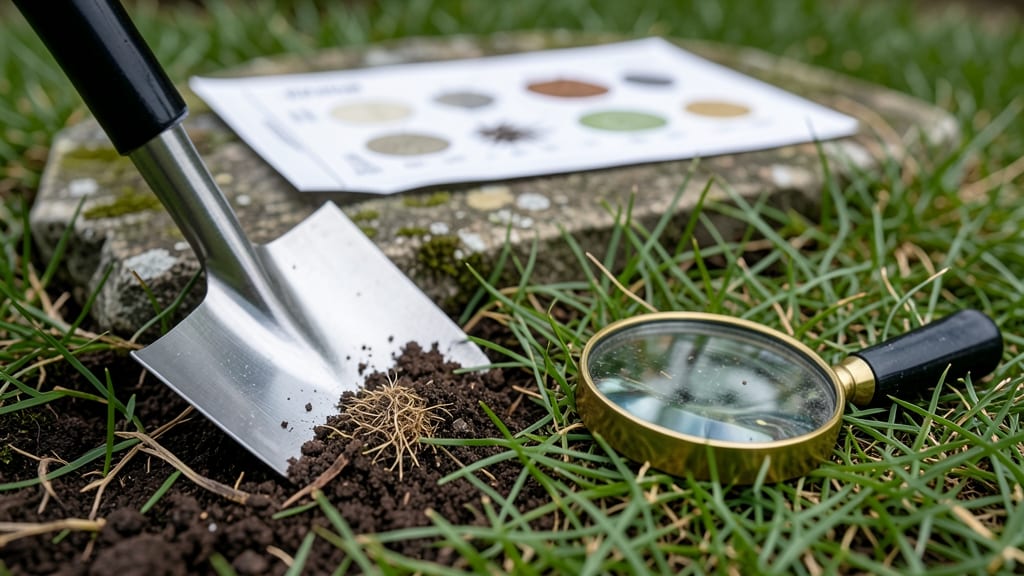
Those mysterious dark green spots in your lawn might look healthy, but they’re often a sign of hidden damage—like grubs feasting on roots or fungal infections taking hold. 🌱 I’ve seen firsthand how these patches can spread quickly if ignored, turning your lawn from lush to patchy in weeks.
The good news? A targeted grub barrier or fungal treatment can stop the damage within 24 hours and restore your grass to its full glory.
Most homeowners blame overwatering or poor soil, but the real culprits are often grubs, dollar spot fungus, or brown patch disease. These issues thrive in damp conditions, so checking for soft, spongy grass (a telltale sign of grubs) or circular patches of discoloration (fungal activity) is key.
The fix? A combination of preventive treatments and quick action when you spot the first signs.
By the end of this guide, you’ll know exactly how to identify the problem, apply the right treatment, and keep your lawn thriving long-term. No more guessing—just clear, actionable steps that work for even the busiest gardeners. Your lawn’s health starts with understanding what’s really going on beneath the surface.
Whether you’re dealing with a small patch or a full-blown infestation, the solutions here are designed to work fast and last. Let’s get your lawn back to its best—without the guesswork. The first step? Figuring out what’s causing those sneaky green spots in the first place.
Root Causes of Uneven Lawn Color
Dark green spots in your lawn aren’t just an aesthetic nuisance—they’re often a sign of underlying issues. Understanding the science behind these patches helps you target the right fixes. Let’s break down the most common causes, from soil quirks to hidden pests, so you can diagnose—and eliminate—the problem fast.
Too much water or soil that can’t drain properly creates the perfect breeding ground for dark, spongy patches. Here’s why:
- Oxygen Starvation: Waterlogged soil cuts off oxygen to grass roots, forcing them to rely on anaerobic (oxygen-free) respiration. This process produces ethylene gas, a plant stress hormone that darkens foliage and weakens blades.
- Fungal Feasts: Excess moisture invites Pythium and Rhizoctonia fungi, which thrive in wet conditions. These pathogens create dark, slimy spots as they break down grass tissue.
- Root Rot: Over time, prolonged sogginess leads to Phytophthora root rot, turning grass black and mushy at the base.
💡 Pro Tip: Test your soil’s drainage by digging a 6-inch hole and filling it with water. If it drains slower than 4 hours, amend with sand or compost to improve aeration. Water deeply but infrequently—aim for 1–1.5 inches per week, including rain.
Larvae like Japanese beetle grubs, white grubs, and chinch bugs are silent destroyers. They chew roots and stems, creating irregular dark patches that pull up easily. Here’s the science:
- Root Damage: Grubs sever roots, reducing water and nutrient uptake. The grass above turns dark green as it struggles to photosynthesize efficiently.
- Toxin Release: Some pests, like chinch bugs, inject enzymes that disrupt chlorophyll production, causing discoloration.
- Thatch Buildup: Dead grass and debris accumulate where pests feed, trapping moisture and creating the ideal environment for dark, slimy spots.
🔥 Action Step: Look for worms or larvae when pulling up a patch of grass. Apply a grub barrier (like imidacloprid or neonicotinoids) in early spring or fall to interrupt their life cycle. Milky spore is a natural, long-term solution for Japanese beetle grubs.
Fungi love damp, shaded lawns, and certain species thrive in warm, humid conditions. These pathogens create dark, sometimes circular spots by:
- Clogging Stomata: Fungi like Dollar Spot (Clarireedia jacksonii) produce oxalic acid, which blocks grass pores, reducing gas exchange and turning blades dark.
- Necrosis Spread: Brown Patch (Rhizoctonia solani) kills grass cell tissue, leaving behind dark, water-soaked patches that expand rapidly.
- Mycelium Mats: Some fungi form visible white or gray webs under the grass surface, smothering roots and turning the lawn dark green or brown.
🌡️ Prevention Tip: Mow high (3–4 inches) to improve airflow, and avoid evening watering (fungi spread at night). Apply fungicides with propiconazole or trichoderma strains if outbreaks occur. Baking soda (1 tbsp/gallon) can suppress fungal growth in mild cases.
Dark green spots can also signal over-fertilization, particularly with nitrogen. While nitrogen is essential for chlorophyll (and thus green color), too much causes:
- Salt Burn: Synthetic fertilizers like urea or ammonium sulfate increase soil salinity, damaging root membranes and turning grass dark.
- Algae Blooms: Excess nitrogen fuels blue-green algae growth, creating slimy, dark patches that smell like rotting vegetation.
- Weakened Defenses: Over-fertilized grass is more susceptible to pests and diseases, compounding the problem.
✨ Correction: Flush the soil with ½ inch of water to leach excess salts, then apply a slow-release fertilizer (like organic compost or coated urea) at half the recommended rate. Test your soil (pH and NPK levels) before reapplying nutrients.
Each of these causes leaves distinct clues—from the texture of the spot (slimy vs. dry) to its location (shady vs. sunny). Next, we’ll show you how to diagnose your specific case in under 5 minutes.
Quick Fixes for Lawn Spots
Dark green spots in your lawn can be frustrating, but the good news is that most causes have straightforward solutions. Whether it’s grubs munching away, fungal infections, or poor drainage, addressing the root issue will restore your lawn’s health.
Below, we break down the best fixes for each common cause—plus tips to keep your grass lush and spot-free for good.
Grubs are the #1 culprit behind dark, spongy patches. Since they thrive underground, you’ll need a two-pronged approach: kill them now and prevent future infestations.
🔥 Step 1: Apply a Grub Killer (24-Hour Barrier)
Use a fast-acting grub control like imidacloprid (Merit) or chlorantraniliprole (Scotts GrubEx). These work by:
- Disrupting the grubs’ nervous system (they stop feeding within hours).
- Creating a protective barrier in the soil for up to 3 months.
✅ Pro Tip: Water the lawn lightly after application to help the granules activate.
👨🍳 Step 2: Aerate & Reseed (If Damage Is Severe)
If the grass is already thinning:
- Aerate the affected area to loosen compacted soil.
- Rake out dead patches and fill with high-quality grass seed (tall fescue or Kentucky bluegrass work well).
- Fertilize lightly to encourage new growth.
💡 Prevention: Apply grub preventer in early spring (before eggs hatch) and again in late summer.
Fungal spots (like dollar spots or brown patch) thrive in moist, warm conditions. The fix? Reduce humidity and apply fungicide.
🌡️ Step 1: Improve Airflow & Drainage
- Mow higher (3–4 inches) to shade the soil and reduce fungal spores.
- Water early in the morning (never at night) to let grass dry quickly.
- Rake up thatch (if over ½ inch thick) to prevent moisture buildup.
🎯 Step 2: Use a Fungicide (Spot or Systemic)
- For small spots: Spray with propiconazole (Bayer Advanced Fungus Control).
- For large areas: Apply a systemic fungicide like trichoderma harzianum (a natural soil treatment).
✨ Prevention: Avoid overwatering and test your soil pH (fungi love acidic soil—aim for 6.0–7.0).
If your lawn has low spots that stay soggy, grass struggles to thrive. Here’s how to drain them:
🔪 Step 1: Dig a French Drain (DIY or Pro)
- Mark the low spot with stakes.
- Dig a trench (6–12 inches deep) along the edge.
- Fill with gravel, then lay perforated drain pipe, and cover with soil.
⏰ Step 2: Add Sand or Compost (For Minor Dips)
- Mix coarse sand or compost into the wet area to improve drainage.
- Top with new sod or seed once the soil dries.
💡 Prevention: Sloped your lawn (1–2% grade) away from foundations to prevent pooling.
| Issue | Fix |
|---|---|
| Pet Urine Spots | Water the area immediately to dilute urine; use pet-safe fertilizer. |
| Shade Stress | Thin out dense trees or plant shade-tolerant grass (like fine fescue). |
| Chemical Burn | Flush soil with water; apply mycorrhizal fungi to help recovery. |
Most lawn spot issues can be reversed in a few weeks with the right treatment. Start with the cause, apply the fix, and stay consistent with maintenance—your lawn will bounce back greener than ever! 🌿
Frequently asked questions about dark green lawn spots
Why do dark green spots look healthier than the rest of my lawn?
Those spots appear darker because they're often overwatered or suffering from fungal growth like dollar spot. The excess moisture forces grass to produce more chlorophyll (for photosynthesis), making it look unnaturally vibrant. But don't be fooled—this "health" is actually a stress response from root damage or disease.
How can I tell if my dark spots are caused by grubs or fungus?
Pull up a small patch of grass: if it lifts easily with worms at the roots, you've got grubs. For fungus, check for circular patterns (like dollar spot) or slimy texture (brown patch). Fungal spots often have a "smoky ring" appearance at the edges when viewed from above.
Will my lawn recover if I just stop watering the dark spots?
Not necessarily—stopping water can help fungal issues, but grubs or poor drainage will still damage roots. For best results, first identify the cause (see previous question), then apply targeted treatment while adjusting your watering schedule to 1-1.5 inches per week (including rain) with morning watering only.
Are there any natural remedies for dark green spots?
Yes! For fungal spots, mix 1 tablespoon baking soda with 1 gallon water and spray directly. For grubs, apply milky spore powder (natural bacteria that targets Japanese beetle grubs) in early spring. Both methods work best when combined with proper drainage improvements.
How long until I see improvement after treating dark spots?
With proper treatment, you should see visible improvement in 7-14 days. Fungal spots respond fastest to fungicides, while grub damage may take longer (up to 4-6 weeks) as new grass establishes. Monitor moisture levels—keeping soil evenly moist (not soggy) during recovery is key.